
Last updated November 16, 2026
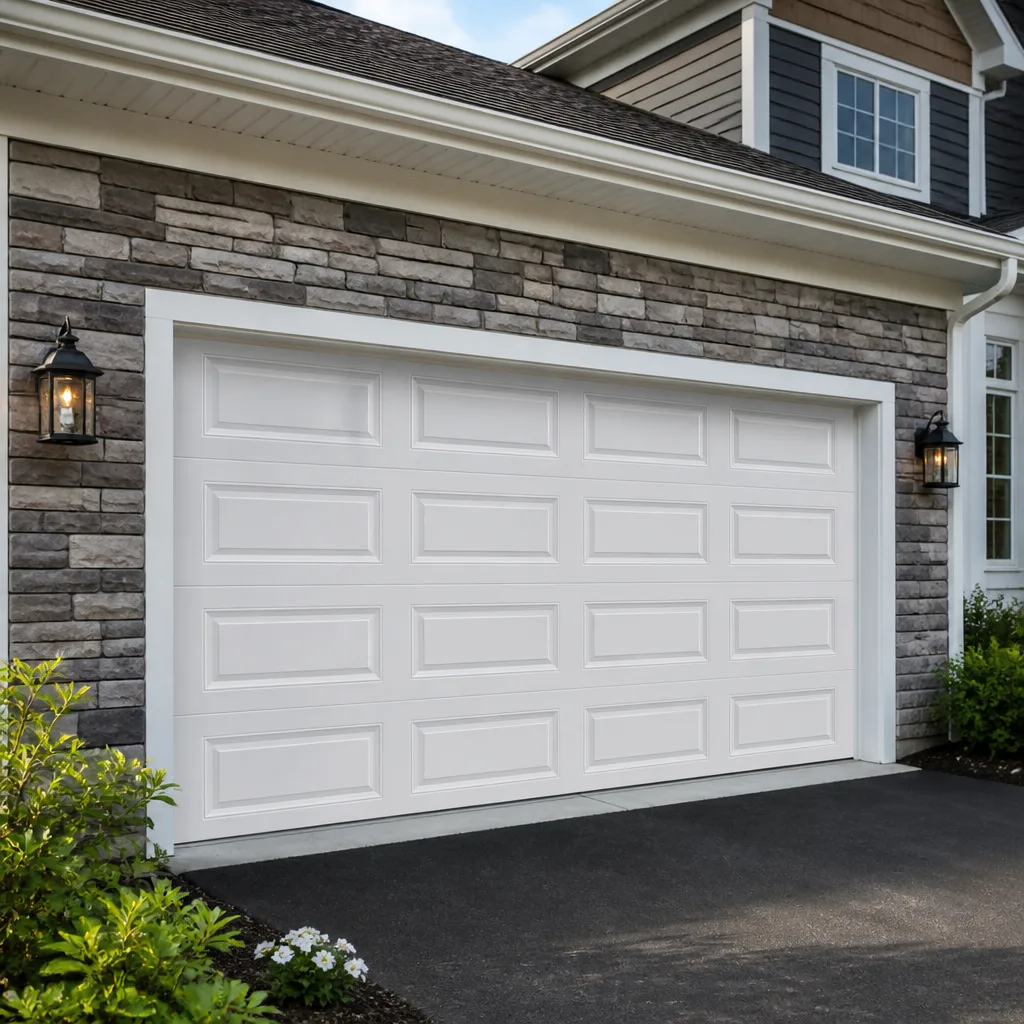 Raised-panel steel
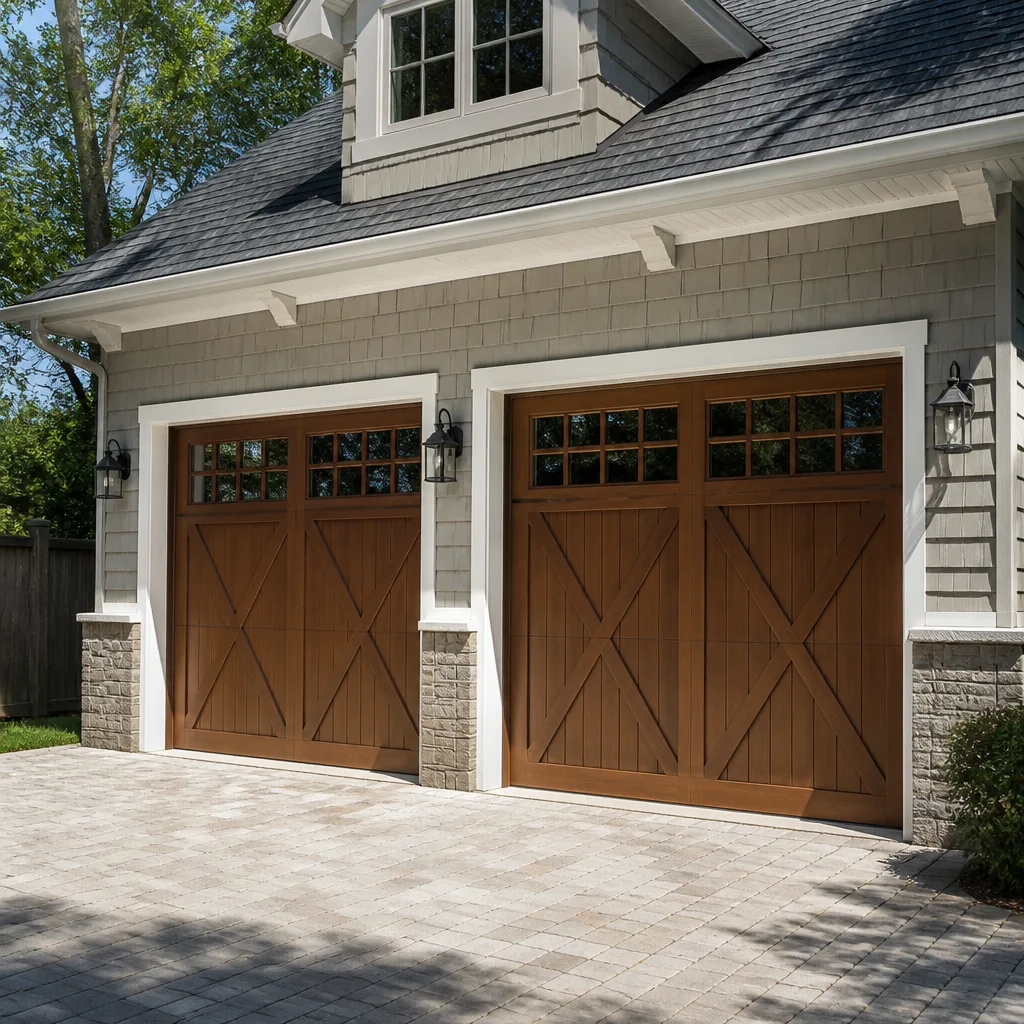 Carriage house
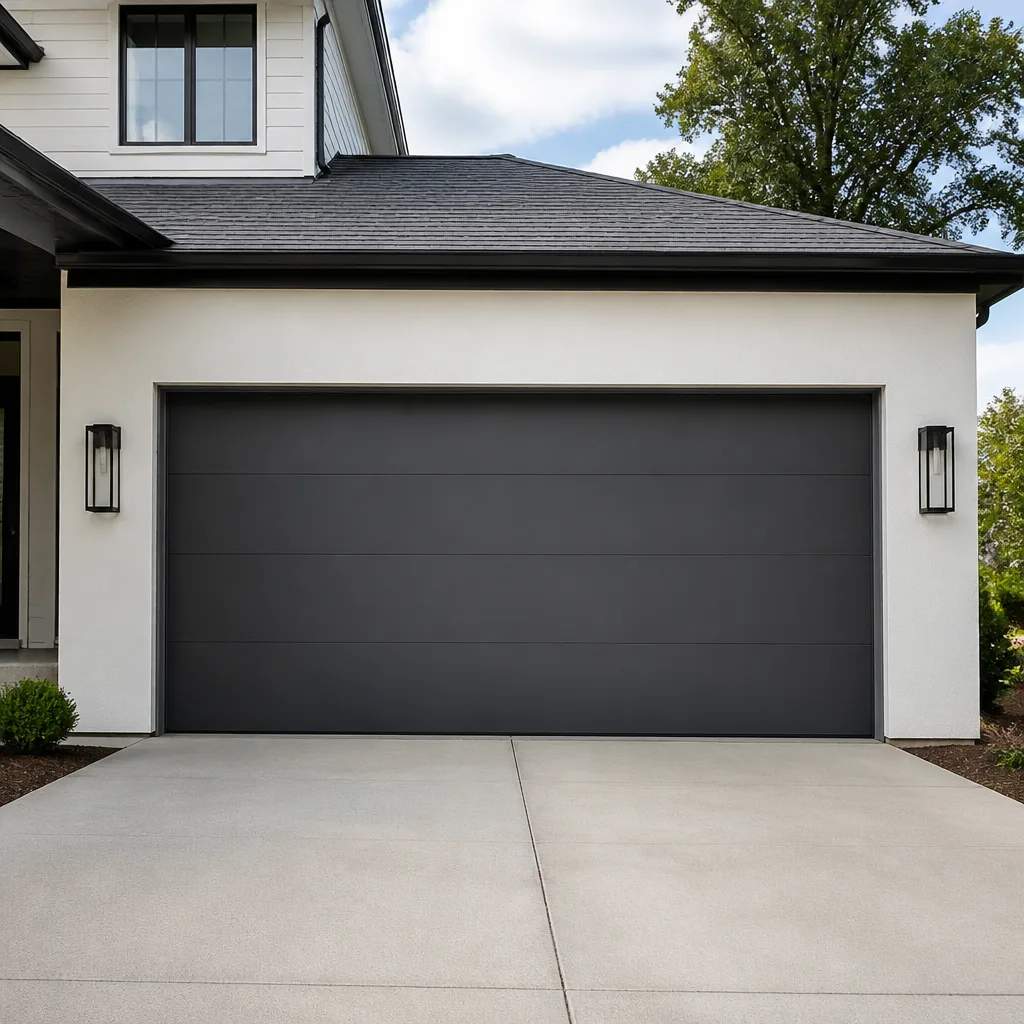 Modern flush
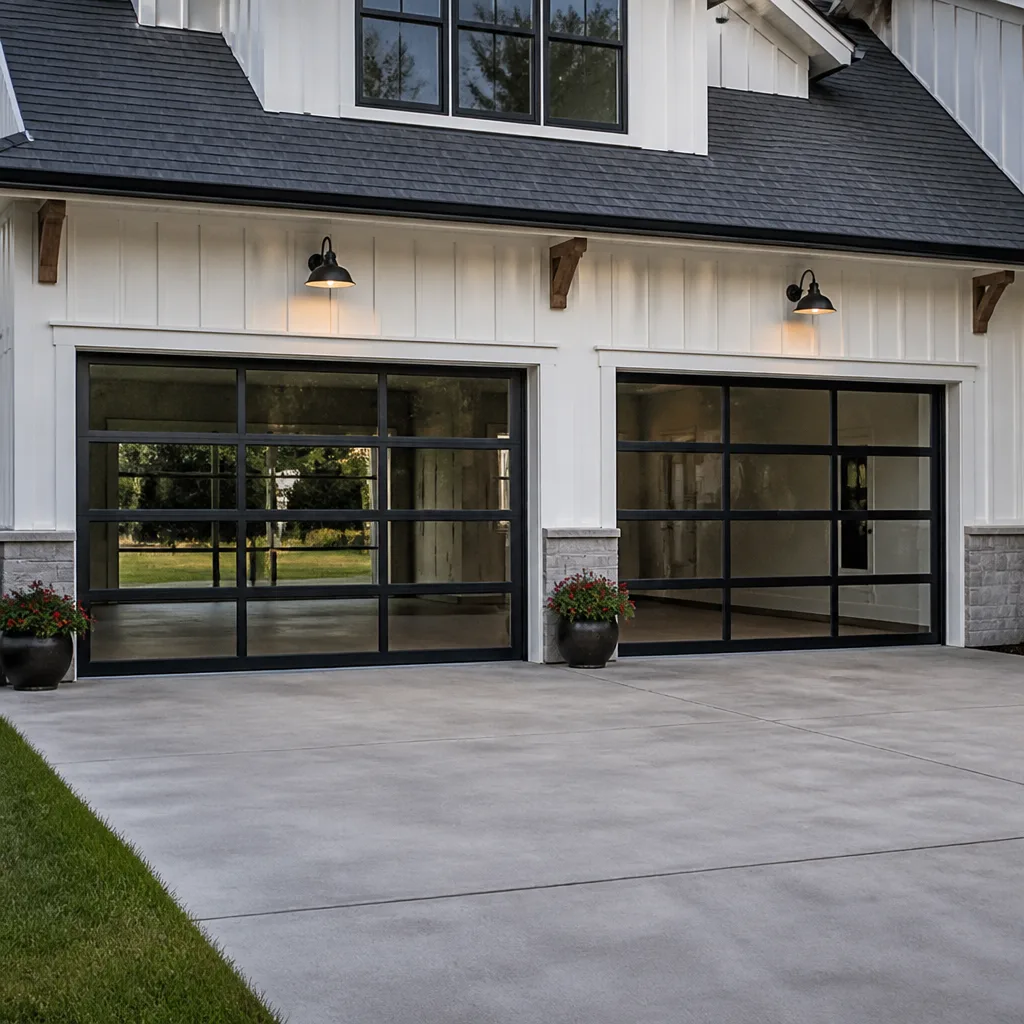 Full-view glass
 LiftMaster openers
 Chamberlain openers
Full 25-point door and opener safety check with every visit - springs, cables, rollers, tracks, and your LiftMaster or Chamberlain opener included
You get a price before we start. It does not change when the pro arrives.
Get your free estimateGarage Door Repair Maintenance Schedule: What to Do and When
Most maintenance advice you’ll find online was written for a garage door in Ohio. Here in Spring Hill, it doesn’t hold up. Our humidity, our UV intensity, and our summer heat push door hardware harder than the manufacturer’s cycle rating assumes, and a schedule built for a temperate climate leaves Florida homeowners servicing the wrong parts at the wrong times of year. This guide rewrites the calendar for Spring Hill specifically: which parts need attention every six months here, which only need it once a year, and how to time the work around our real seasons. You’ll also get balance tests, weatherstripping checks, and the brand quirks that make Wayne Dalton and LiftMaster systems behave differently.
Quick Answer
In Spring Hill, service your garage door twice a year – once in May before hurricane season and once in October after the humid summer. Lubricate springs, hinges, and rollers every six months, test the safety reverse monthly, and inspect weatherstripping and the balance of the door twice a year. Replace worn weatherstripping roughly every 3 to 5 years in Florida’s sun, and check torsion or TorqueMaster springs annually since heat and humidity shorten their working life.
Styles & brands we work with
- Raised-panel steel
- Carriage house
- Modern flush
- Full-view glass
- LiftMaster openers
- Chamberlain openers
Table of Contents
- Why a Floridian Maintenance Calendar Looks Different
- The Spring Hill Month-by-Month Maintenance Calendar
- The Five Jobs You Should Do Every Six Months in Florida
- The Three Jobs That Only Need an Annual Look
- How to Run a Balance Test (and Why It Saves Your Opener)
- Weatherstripping in Florida’s Sun: When It Actually Needs Replacing
- Brand-Specific Maintenance Quirks
- Common Mistakes to Avoid
- When to Call a Professional
Why a Floridian Maintenance Calendar Looks Different
A garage door is a mechanical system, and heat and humidity speed up every part of its wear. In Spring Hill, that means the generic “lubricate once a year and you’re fine” advice you’ll read on most manufacturer sites is under-servicing your door. Springs, rollers, hinges, and openers all degrade faster when the air is thick with moisture for months on end and the metal swings between hot afternoons and cooler winter nights.
The core problem with a national schedule is timing. A door serviced every spring in a northern state gets its lube job before the dry season. In Spring Hill, spring is when humidity starts climbing, and fall is when it finally eases. If you lubricate in April and then leave the door alone until the following April, your hardware spends the worst six months of the year dry. That’s the gap that quietly eats into spring life and opener motor life.
There’s a second local factor: afternoon thunderstorms. Between June and September, Spring Hill gets frequent heavy rain, and that rain drives moisture against the door face, tracks, and weatherstripping. A door that’s sealed correctly handles this fine. One with cracked weatherstripping or a slight track misalignment lets water sit where it shouldn’t, and the corrosion starts quietly. Cleaning and checking after storm season is the practical response, which is why an October inspection belongs on the calendar.
And winter matters too, just not the way it does up north. Spring Hill winters bring temperature swings – warm afternoons, cool mornings – and those swings make metal parts expand and contract slightly. Bolts and hinges that seem tight in July can loosen a hair by January. A winter check catches those before they become creaks or binding.
What you won’t need here: freeze protection, snow-load checks, or ice-related adjustment. Those don’t apply. What does apply is a two-season rhythm timed to our real weather, and that’s what the calendar below builds.
The Spring Hill Month-by-Month Maintenance Calendar
This is the schedule we’d put on a Spring Hill homeowner’s fridge. It’s built around the local climate rather than a generic quarter, so the heaviest work lands before and after the humid season. You won’t need to do everything every month – use it as a map of when each job comes due.
January – Winter Temperature-Swing Check
Cool mornings and warm afternoons work metal slightly. Walk the door and listen for new creaks, check that hinge screws and track bolts are snug, and test the safety reverse. This is also a good time to confirm the opener’s auto-reverse and force settings still respond cleanly.
February – Balance and Roller Check
Run a balance test (see the section below) and spin the rollers by hand. Any roller that grinds, wobbles, or feels flat needs replacing. In our humidity, nylon rollers last well; cheap plastic ones don’t.
March – Pre-Humidity Lubrication
Lubricate springs, hinges, rollers, and the opener’s chain or belt drive before the humid season sets in. Use a garage-door-specific lubricant, not general-purpose grease, which can attract grit and gum up in thick air.
April – Track and Alignment Inspection
Wipe down the tracks, check for bends or dents, and confirm the door runs smoothly without rattling. Misaligned tracks are one of the top causes of premature roller wear, and catching a slight bend early is far easier than fixing a warped door later.
May – Pre-Hurricane-Season Prep
This is the big one. Check the whole system before storm season: springs, hinges, weatherstripping, the bottom seal, and the manual release. Confirm the door closes flush and that the operator responds correctly to the wall control. If anything feels weak now, fix it before the stormy months arrive.
June through September – Storm-Season Vigilance
After any heavy storm, glance at the door and tracks. Wipe standing water off the bottom seal and confirm the door still runs level. No full service is required in these months unless something looks wrong; the heavy lifting is done in May and picked up again in October.
October – Post-Summer Humidity Inspection
The most important check after May. Look for rust spots, loose hinges, cracked weatherstripping, and any sign the door no longer runs smoothly. This is also when a fresh lubrication pass pays off, since it protects the hardware through the drier months and sets up the door for winter.
November – Weatherstripping and Seal Replacement Window
If the bottom seal or perimeter weatherstripping cracked over the summer, now’s the time to replace it before the winter temperature swings test the door’s sealing.
December – Annual Spring and Opener Review
Close out the year with a full spring inspection (visual only; don’t touch high-tension springs) and an opener check. A LiftMaster or Chamberlain opener that’s been quiet all year may need a force-adjustment tweak by December.
If you’re in Spring Hill and want the calendar tailored to your specific door – a Clopay steel door in a sunny driveway ages differently than a shaded one – a technician can walk you through it in a single visit.
The Five Jobs You Should Do Every Six Months in Florida
These five jobs get done twice a year in Spring Hill because our climate wears them faster than the manufacturer’s national average assumes. Do them in spring (around March or April) and again in fall (around October).
- Lubricate springs, hinges, rollers, and pivots. Use a garage-door-specific spray lubricant. General grease attracts grit in high humidity and can jam rollers over time.
- Wipe and inspect the tracks. A clean track runs smoother. Look for dents, rust, and anything that’s worked loose.
- Test the safety reverse. Put a small object in the door’s path and confirm it reverses. This is a monthly test in most manuals, but at minimum do it every six months.
- Check and tighten hardware. Hinges, bolts, and brackets loosen as the metal expands and contracts. A quick tightening prevents rattles, squeaks, and eventual misalignment.
- Inspect weatherstripping on the sides and top. UV exposure breaks it down. Catching a small split before the summer rains means less water penetration throughout the season.
These are all safe for a homeowner to do with the door closed and the opener disconnected. What’s not safe is anything involving the torsion springs, the cables, or the spring hardware inside the center bracket – those store enough force to seriously injure an untrained person. Leave spring adjustment and replacement to a trained technician, always.
If doing this six-month list yourself feels manageable, great. If it doesn’t, or if something on the list looks worn, schedule garage door repair to have a specialist handle it in one visit.
The Three Jobs That Only Need an Annual Look
Not everything needs the six-month treatment. These three parts wear more slowly and are safe to check once a year, ideally in December or January so you’re set up for the new calendar year.
1. The torsion or TorqueMaster springs
Visually inspect for gaps, rust, or signs the spring has stretched or lost tension. Don’t touch them; just look. If you see a visible gap in a torsion spring, or the door suddenly feels much heavier when you lift it manually, call a technician. A failing spring is a safety issue, not a repair to defer.
2. The opener motor and its mechanical drive
Listen to the opener run with the door disconnected. Any grinding, hesitation, or unusual noise is worth a closer look. A LiftMaster belt drive that’s starting to slip or a Genie chain drive that’s gotten noisy can both often be repaired rather than replaced – and that’s a fix worth making before the motor’s under real strain.
3. The door’s overall alignment
Open and close the door fully and watch the gaps on both sides. An uneven gap at the bottom, or a door that no longer sits level, often traces back to a spring or cable issue. Catch it once a year and the fix stays small. Miss it for two and you’re looking at a more involved job.
How to Run a Balance Test (and Why It Saves Your Opener)
A balance test tells you whether the door’s springs are doing their job. An unbalanced door puts far more strain on the opener motor than it should, and that strain quietly shortens the motor’s working life. In our experience, an out-of-balance door wears a residential opener out roughly 12 to 18 months ahead of its normal service life, and by the time the motor fails, the homeowner assumes the opener was the problem. It usually wasn’t.
Here’s how to run the test safely, with the opener disconnected:
- Close the door fully.
- Pull the manual release cord to disconnect the opener from the door. (On most openers, this is the red T-handle.)
- Lift the door about halfway by hand and let go.
- A balanced door stays roughly where you let it go. A door that slams down or drifts up is out of balance.
- Reconnect the opener by pulling the cord toward the door and running the opener once to re-engage.
If the door won’t stay put, the springs need attention. Don’t try to adjust them yourself – torsion springs and their hardware are under high tension and are genuinely dangerous. Call a trained technician. For a Spring Hill homeowner, this is one of the easiest proactive checks you can run, and it’s the single best early warning that a spring is on its way out.
One note on the door’s feel: a door that lifts easily and stays level is usually fine. A door that suddenly feels much heavier than it did six months ago is the symptom worth acting on, even if the balance test seems to pass. Spring tension loss is gradual, so trust your hands.
Weatherstripping in Florida’s Sun: When It Actually Needs Replacing
Florida’s UV intensity is hard on weatherstripping. The rubber and vinyl seals around a garage door break down faster here than the “replace every 5 to 7 years” guideline you’ll find on most national sites. In Spring Hill, most homeowners end up replacing the bottom seal somewhere in the 3 to 5 year range – sometimes sooner on a door facing afternoon sun.
What to look for, in order of severity:
- Visible cracks or splits in the bottom seal – replace it. A cracked seal lets water, insects, and humid air into the garage.
- The seal peeling away from the door – often a sign the adhesive has failed in the heat. Repairable, but worth replacing if it’s more than a few years old.
- Compressed or flattened seal – happens when the door’s been resting on the same spot for years. A fresh seal restores contact.
- Side and top weatherstripping that feels brittle or has lost its spring – replace. Original vinyl often turns rigid in the sun within a few years.
Product-wise, look for a bottom seal made from EPDM rubber rather than vinyl. EPDM holds up better in UV and heat, and in Florida it typically lasts longer than standard vinyl before cracking. For the perimeter weatherstripping, the same rule applies: a rubber or vinyl stop with a durable outer face resists UV better than thin, cheap trim. Any hardware or home-improvement store in the area carries replacements, and the job itself is doable with the door closed, but if the door tracks or alignments are marginal, it’s worth having the seal installed during a repair visit.
One local point: Spring Hill’s humid days make a well-sealed door more valuable than in a drier climate. Humidity inside the garage can rust tools, damage stored goods, and add moisture load to the house (especially if the garage shares a wall with a living space). A tight bottom seal does real work here, not just cosmetic work.
Brand-Specific Maintenance Quirks
Not every door system wears the same way. Here’s where we see Spring Hill homeowners get tripped up, and why it pays to match maintenance to the brand on the door.
Wayne Dalton TorqueMaster springs
A Wayne Dalton door with TorqueMaster springs stores its tension inside a tube rather than on a conventional torsion bar. That design changes how it’s serviced: the spring hardware is enclosed, so visual inspection is limited, and any work at all should be done by a technician who knows the TorqueMaster system. On the plus side, the enclosed design tends to shield the spring from some of the humidity and UV degradation a standard torsion spring sees. That doesn’t mean it lasts forever – the springs still lose tension over time, and a door that starts to feel heavy is the warning sign. Just don’t expect to diagnose it with an open-book visual check the way you would a standard torsion setup.
LiftMaster and Chamberlain belt-drive openers
Belt drives run quieter than chain drives, which makes them a popular choice in Spring Hill homes, but the belt needs a different check than a chain. Belt tension can slacken over time, and a belt that’s too loose tends to slip or hesitate. Chain drives, by contrast, need periodic lubrication (use a garage-door lubricant, not oil) and a tension check. A chain that’s too tight strains the motor; too loose and it clatters. Both drive types benefit from the annual opener check, but if yours is a LiftMaster belt drive and it’s starting to sound different, that’s your first hint to look at the belt before the motor.
Genie and Craftsman openers
Older Genie and Craftsman units are still everywhere in Spring Hill garages. Many are repair-friendly – the logic board, drive gear, or safety sensors can often be replaced without replacing the whole opener. We always try to fix before recommending replacement, because a well-built Genie or Craftsman from a decade ago often has plenty of life left in it.
Clopay and Amarr doors
The door panels themselves rarely need brand-specific care, but the hardware on them does. Clopay and Amarr steel doors tend to hold up well in humidity, but the hinges and rollers they ship with still wear on the standard six-month cycle. If a door has a factory-installed strut or an unusual hinge pattern, a technician familiar with that brand will know exactly what’s interchangeable.
The takeaway: your door’s brand matters less than the climate. But knowing whether it’s a Wayne Dalton TorqueMaster, a LiftMaster belt drive, or a Chamberlain chain drive does change what a maintenance visit looks like. If you’re not sure what you’re running, garage door opener repair visits include a quick ID so the maintenance fits the equipment.
Common Mistakes to Avoid
- Using WD-40 or general grease on springs and rollers. These attract grit in humid air and can gum up the system within weeks. Use a garage-door-specific lubricant on the six-month cycle.
- Skipping the fall check. Spring Hill’s humid season is the hardest stretch of the year on your door. If you service in the spring and don’t look again until the following spring, you’ve already missed the worst of the wear.
- Tightening a spring yourself. Torsion springs and their cables store dangerous energy. Visual checks only – adjustment and replacement are a trained-technician job.
- Ignoring a small bounce at the bottom. A door that bounces or reverses on close is usually telling you the safety sensors or the door’s alignment is off. Fixing it early is a small job; a door that slams is a lot bigger.
- Replacing the opener when the door’s out of balance. A strained motor that keeps failing often traces back to a door whose springs are weak. Test the door first before buying a new opener.
- Deferring weatherstripping replacement. It’s a $30 part, but a cracked bottom seal lets in water, insects, and humid air – a far bigger cost problem than the seal itself.
- Relying on a generic national maintenance calendar. A “once a year” schedule from a national site assumes a temperate climate. In Spring Hill, that schedule under-services your door by six months a year.
When to Call a Professional
Some jobs are safe for a homeowner with a spray can and a screwdriver. Others aren’t. Call a professional when: the door won’t stay up on a balance test, the spring shows a visible gap or stretch, the cables look loose or frayed, the door shrieks or grinds, the tracks are bent, the opener keeps tripping its safety reverse even after you’ve cleared the path, or the door’s alignment is visibly off. Also call in if the door gets stuck with the car inside – forcing it up can do far more damage than a service call.
Carrington Garage Door Repair offers free estimates in Spring Hill – call (844) 560-6506. We answer 24/7, with fast dispatch from 7am to 7pm, Sunday through Friday.
Our technicians have up to 13 years of experience and work on eight major brands – LiftMaster, Chamberlain, Genie, Clopay, Amarr, Wayne Dalton, Craftsman, and Raynor – so the maintenance fits what you already own. If your Spring Hill door is due for its May or October check, Carrington Garage Door Repair can schedule a free estimate on your system.
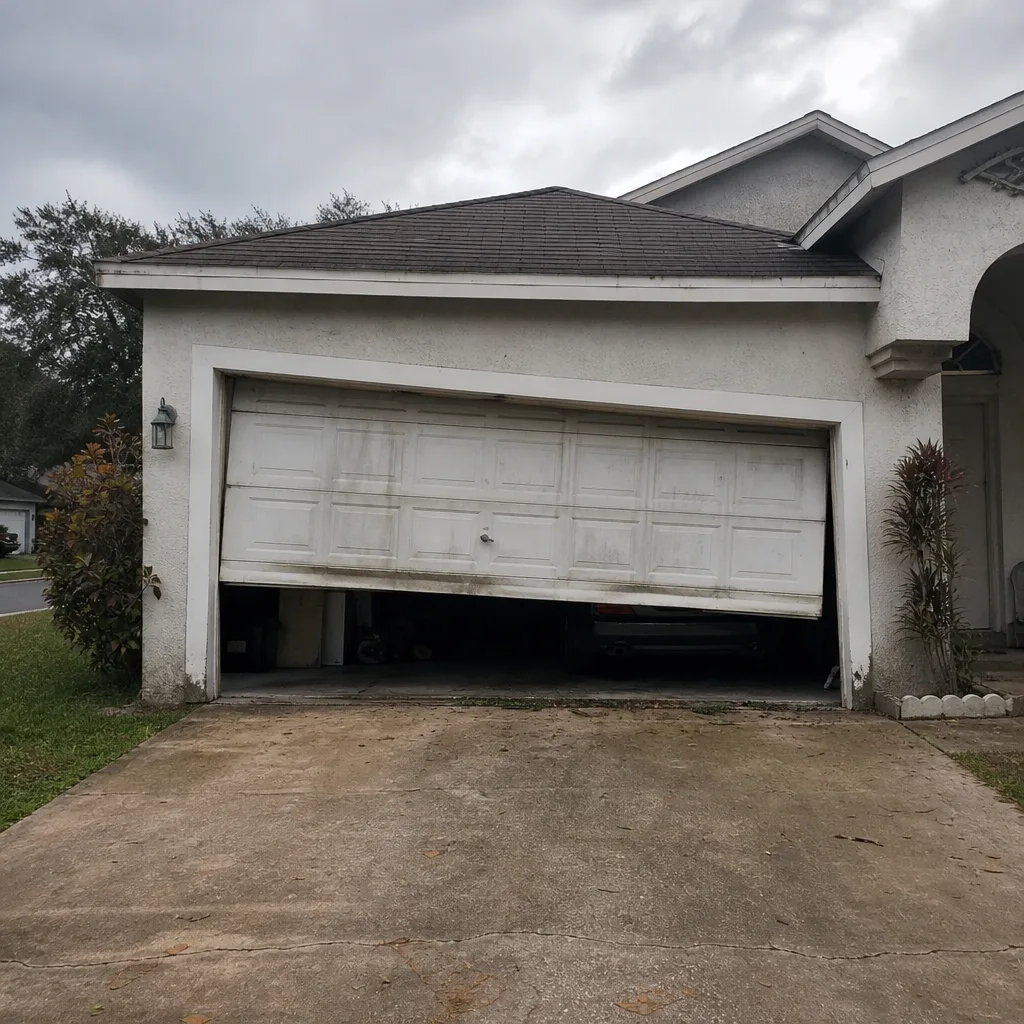
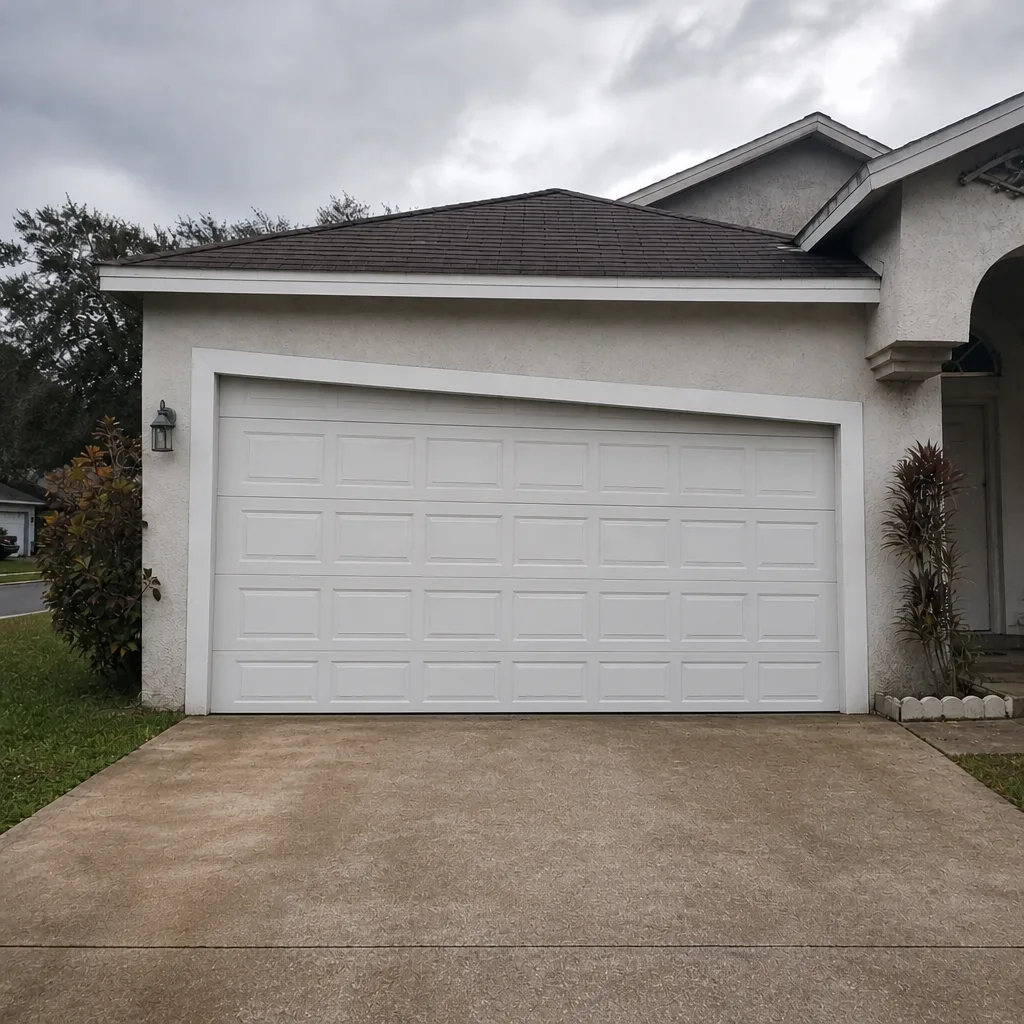
See the difference
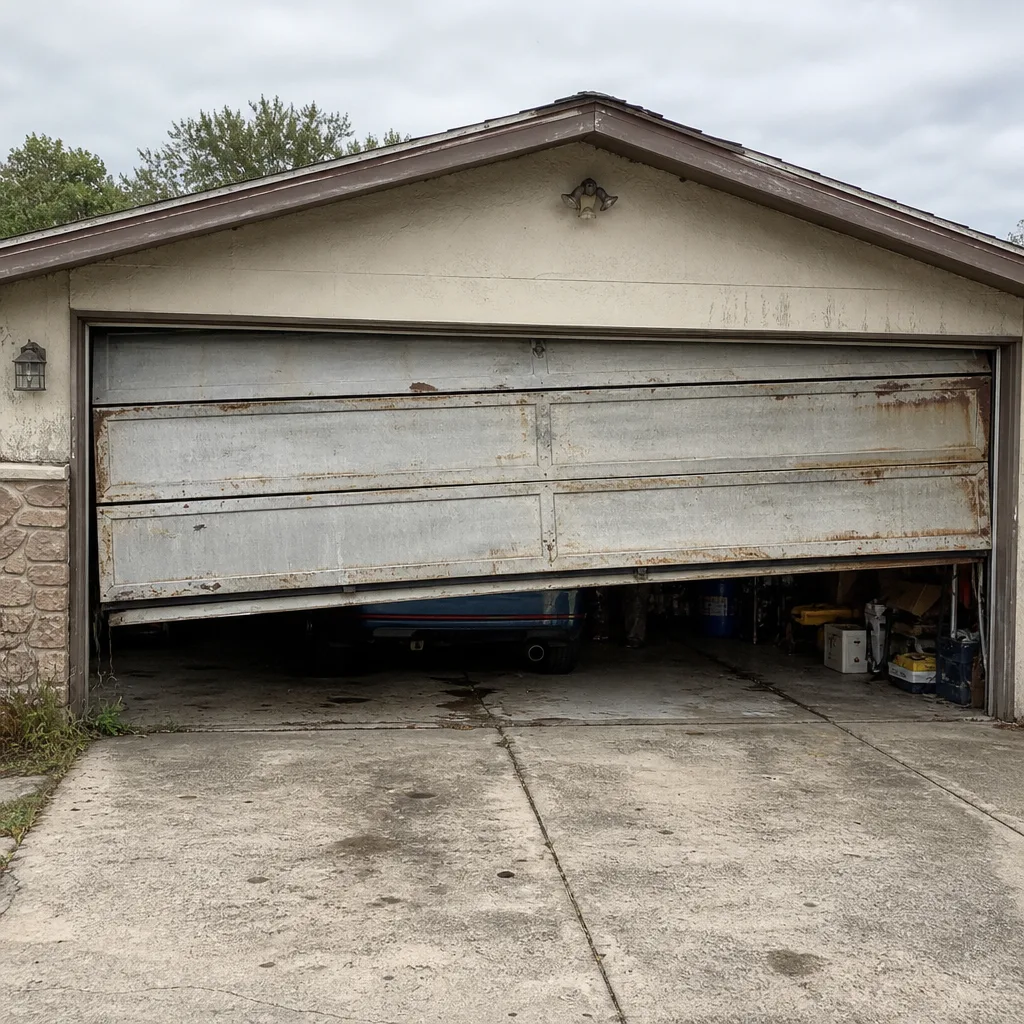 Before
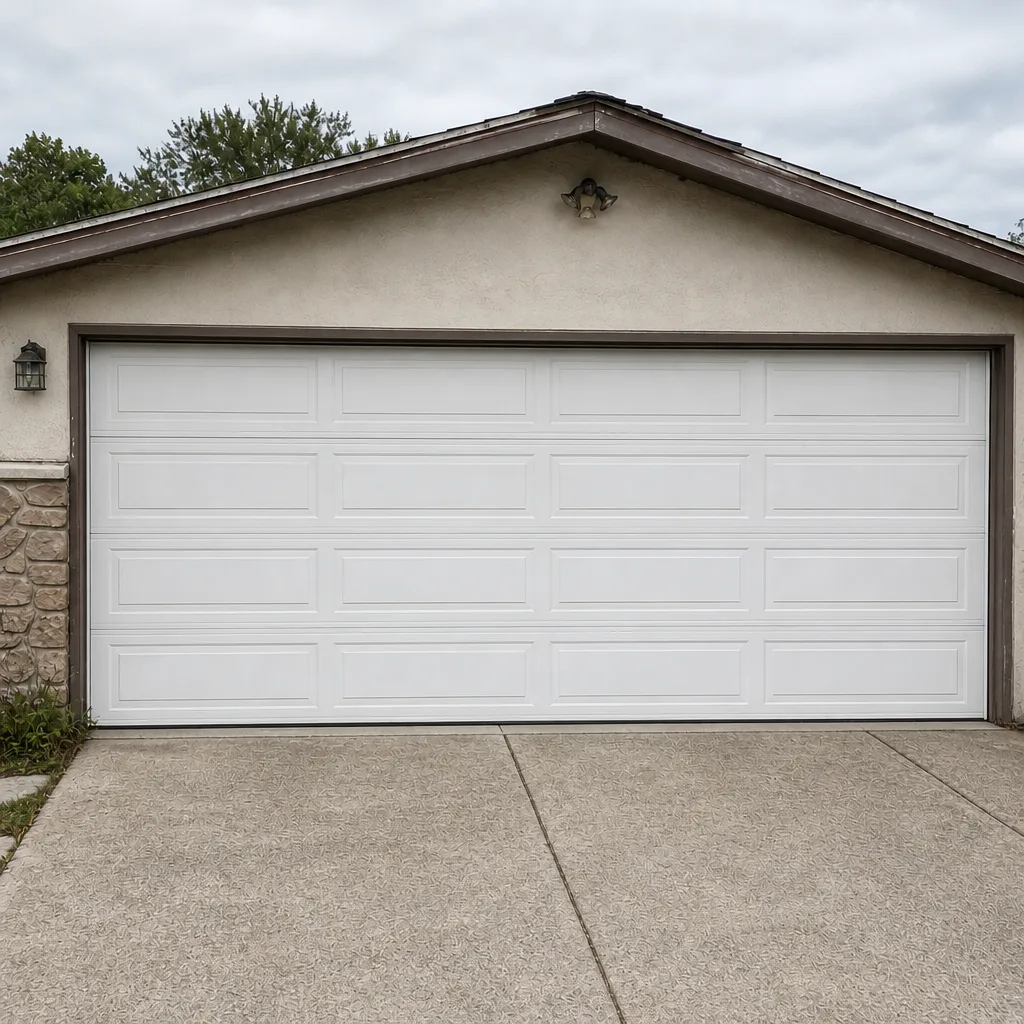 After
 Before
 After
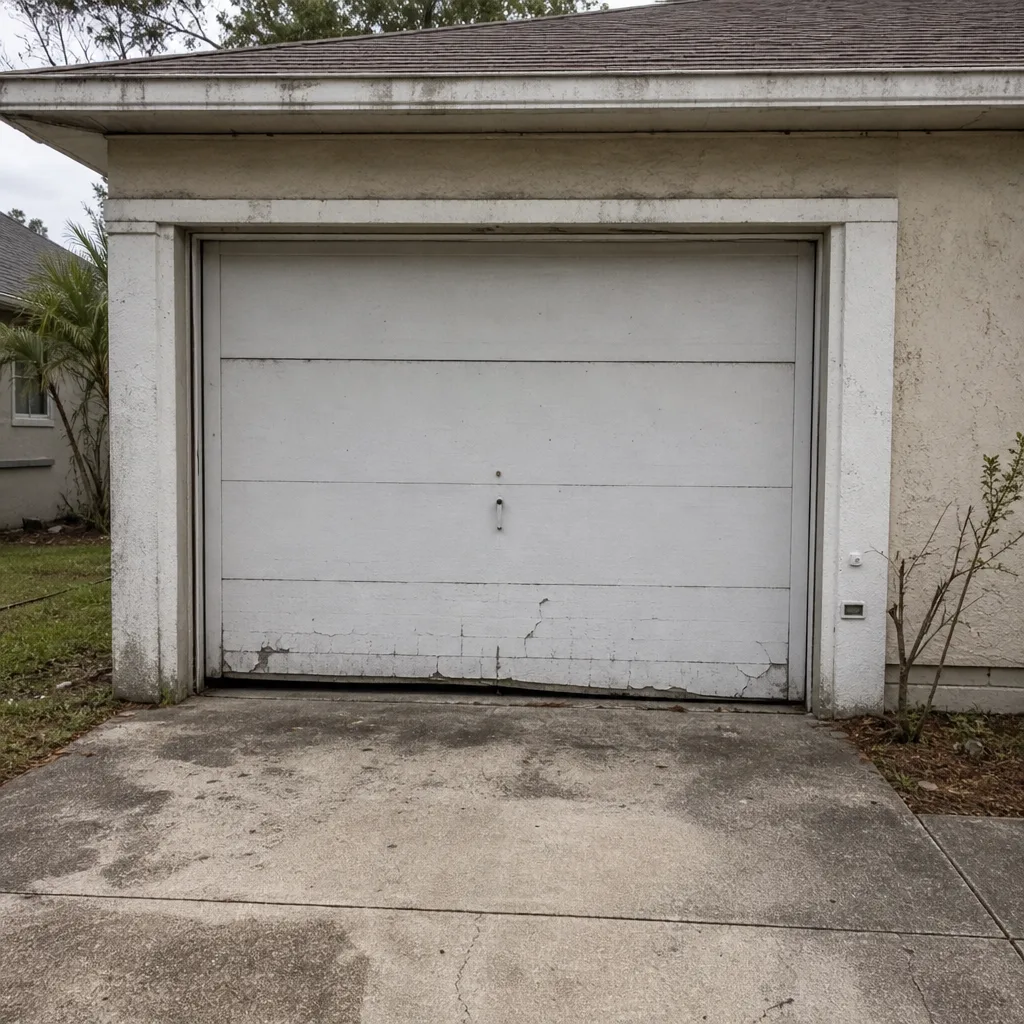 Before
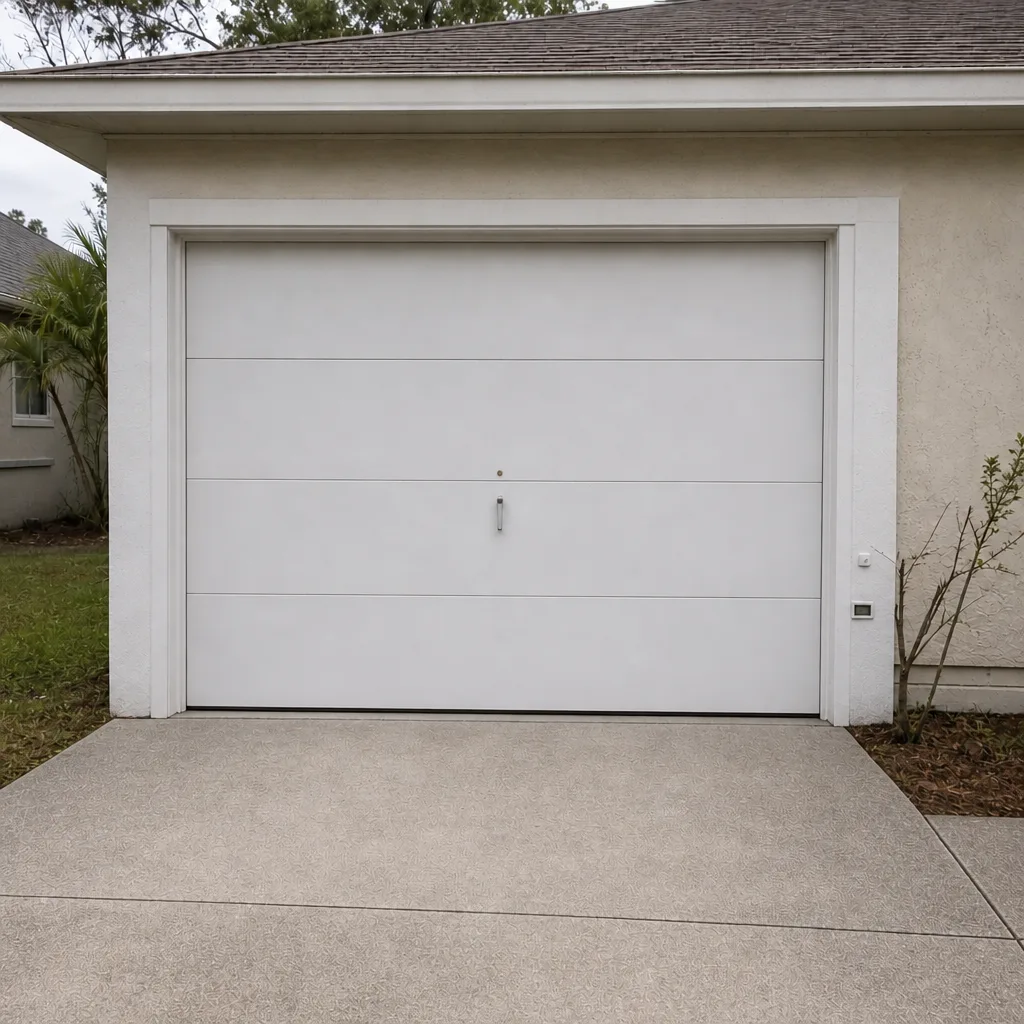 After
Frequently Asked Questions
Every six months in Spring Hill – once around March or April, and again in October. Our humidity wears down lubricant faster than a drier climate does, and a door that’s left dry through the humid months is where most of the premature spring and roller wear happens. Call (844) 560-6506 for an exact quote on a lubrication service – estimates are free.
Yes, and it’s one of the most common causes of early opener failure. When the springs aren’t carrying their share of the door’s weight, the opener motor does extra work every time the door moves. That quiet strain shortens the motor’s service life and often shows up as an opener that “suddenly” fails. Running a balance test costs you five minutes and can save the opener. We answer 24/7 at (844) 560-6506.
Heat and humidity are the short answer. In our climate, metal parts cycle through moisture and dry air constantly, and that accelerates the wear that leads to spring failure. A spring that’s rated for a certain number of cycles in a temperate climate is likely to reach that limit sooner here. The best defense is a regular lubrication cycle and an annual visual check. Call (844) 560-6506 for a free estimate on spring service – estimates are free.
Most Spring Hill homeowners end up replacing the bottom seal every 3 to 5 years, sometimes sooner on a door facing afternoon sun. Florida’s UV intensity is the main reason – the “5 to 7 years” you read on national sites assumes a gentler climate. If you see cracks, splits, or the seal peeling away, it’s time. Call (844) 560-6506 for a quote – estimates are free.
No – the written estimate is the price. A technician looks at the door, quotes the job, and you approve before any work starts. If a repair turns out to need more than the estimate covered, you’ll know before we proceed. You can call (844) 560-6506 for a free estimate in Spring Hill.
If your system is one of the eight major brands – LiftMaster, Chamberlain, Genie, Clopay, Amarr, Wayne Dalton, Craftsman, or Raynor – we’ve seen it before and can work on it. We’re brand-agnostic, so we diagnose the actual problem and repair what’s fixable before recommending replacement. Call (844) 560-6506 for a free estimate – we serve Spring Hill and the surrounding area.
The Bottom Line
The best maintenance schedule for a garage door in Spring Hill is a two-season one: a full check in May before hurricane season, and a full check in October after the humid months. Between those, keep up the six-month jobs – lubrication, hardware tightening, safety reverse test, weatherstripping inspection, and a balance test. The annual jobs (springs, opener, alignment) are safe to check once a year, and every job that involves torsion springs or cables stays in the hands of a trained technician. If you’re not sure where your door stands right now, that’s fine – the fastest way to know is to have someone look at it.
Call Carrington Garage Door Repair at (844) 560-6506 for a free estimate on your Spring Hill garage door. We answer 24/7, with fast dispatch from 7am to 7pm, Sunday through Friday. Our technicians have up to 13 years of experience, and we work on what you already own.
Written by the team at Carrington Garage Door Repair.