
Last updated November 16, 2026
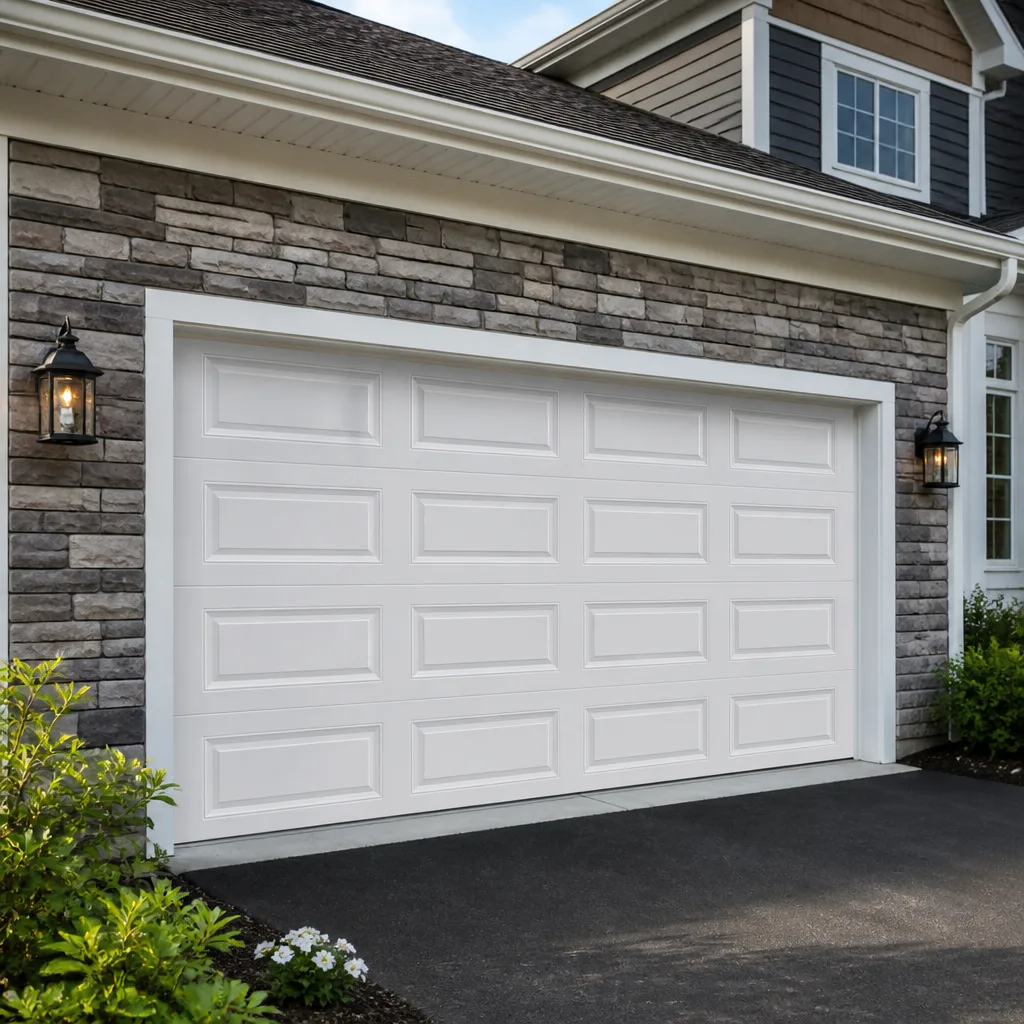 Raised-panel steel
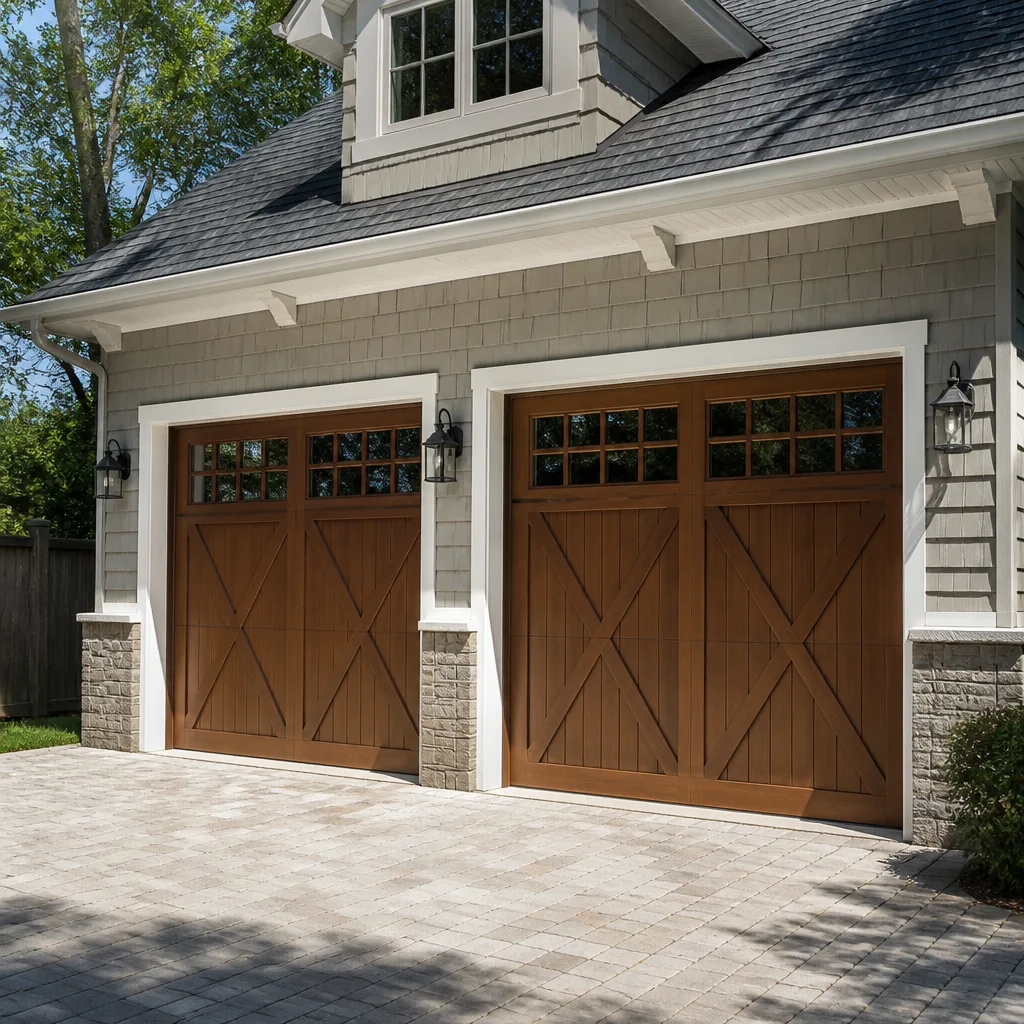 Carriage house
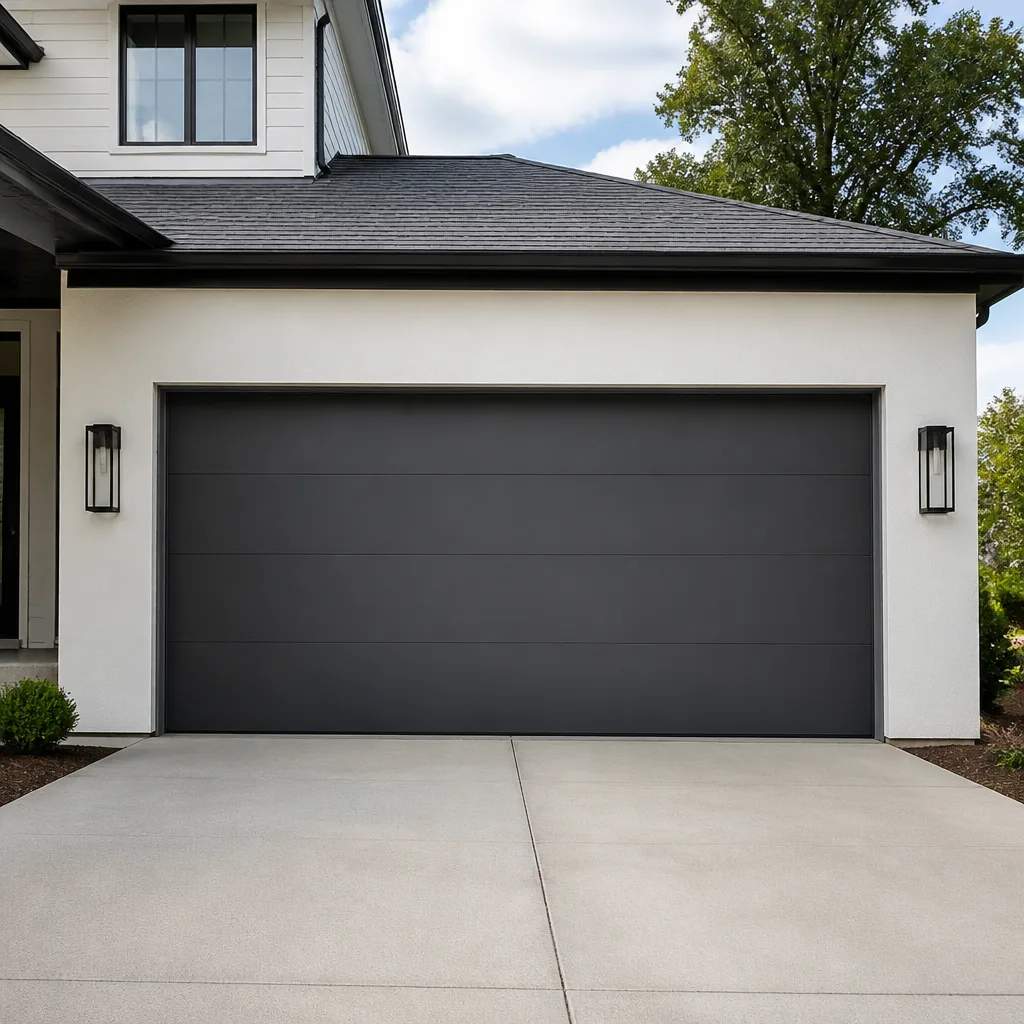 Modern flush
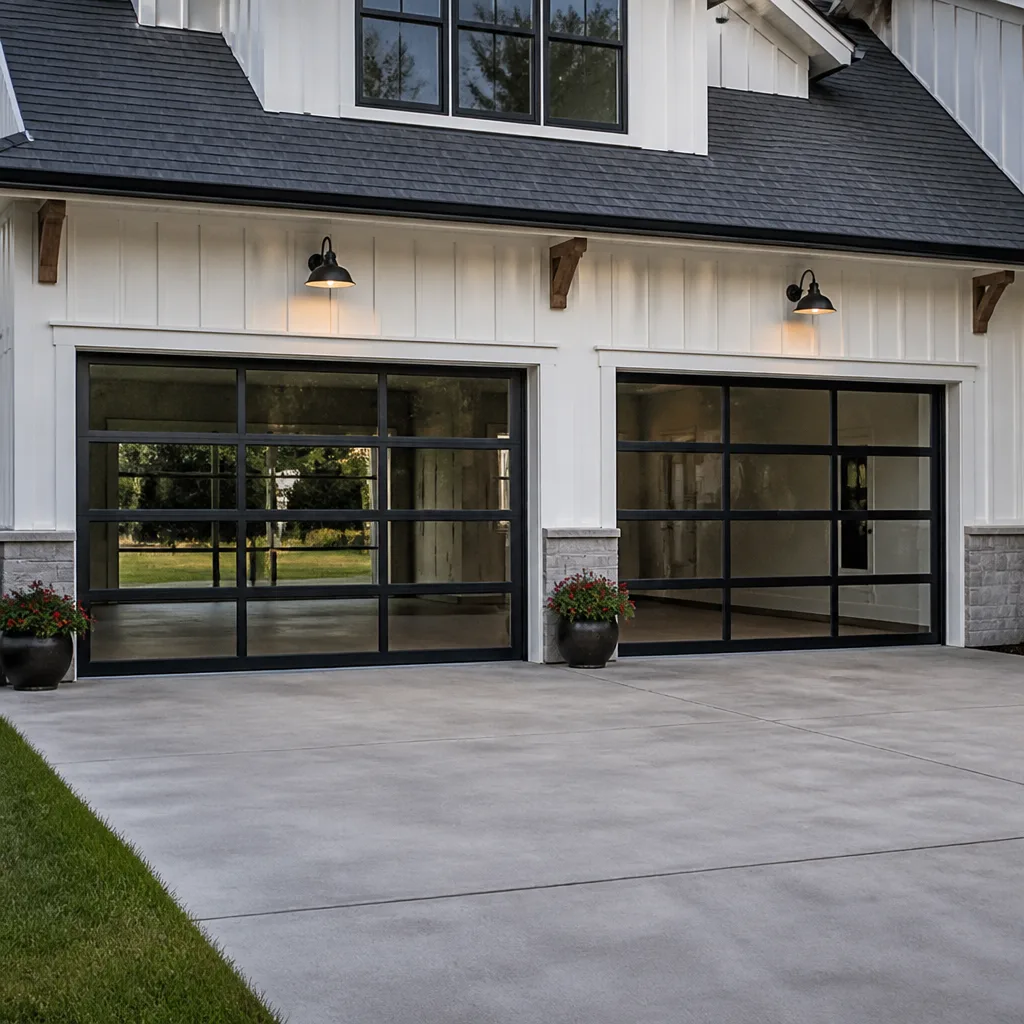 Full-view glass
 LiftMaster openers
 Chamberlain openers
Full 25-point door and opener safety check with every visit - springs, cables, rollers, tracks, and your LiftMaster or Chamberlain opener included
You get a price before we start. It does not change when the pro arrives.
Get your free estimateGarage Door Warning Signs: A Spring Hill Homeowner’s Reference Guide
A garage door doesn’t snap a spring without warning. It gives you weeks of signals first, and most homeowners dismiss them as “it’s just getting old.” That’s the misread that turns a straightforward repair into a much bigger bill. In Spring Hill‘s humid climate, a slow door or an occasional rattle usually isn’t wear and tear talking. It’s often a torsion spring or cable weeks away from failing. This guide walks you through the specific sounds, sights, and simple tests that tell you what’s actually happening, so you can read the signals correctly before a small fix becomes an emergency call.
Quick Answer
The main garage door warning signs are a loud bang or popping sound, a door that lifts unevenly or feels heavy by hand, visible fraying or slack in the cables, rattling that changes pitch, rust streaks on the hardware, and weatherstripping pulling away from the frame. In Spring Hill’s humidity, these signs tend to show up earlier than homeowners expect, and a door showing two or more of them should be checked before it’s used again. A door that’s hard to lift or makes a sharp crack is a stop-using-it signal, not a wait-and-see one.
Styles & brands we work with
- Raised-panel steel
- Carriage house
- Modern flush
- Full-view glass
- LiftMaster openers
- Chamberlain openers
Table of Contents
- What the Sounds Are Telling You
- Cable Fraying You Can Spot From the Ground
- Opener Problem or Door Problem? Two Different Repair Paths
- The Balance Test: What It Actually Tells You
- Florida-Specific Warning Signs: Rust, Weatherstripping, and Settling
- Hardware and Panel Warnings Worth Acting On
- Common Mistakes to Avoid
- Frequently Asked Questions
What the Sounds Are Telling You
Sound is the first thing to sort out, because two doors that both sound “noisy” can be in completely different condition. A door that needs lubrication has a steady, rolling rumble: metal rollers moving in dry tracks, a consistent grind that doesn’t change from one cycle to the next. You hear the same complaint every time you open it, and it’s been that way for weeks or months.
A torsion spring near the end of its life sounds different. The key difference is that it doesn’t sound the same twice. You might hear a single sharp bang one morning, then nothing for a few days, then a lighter pop the next. Those isolated, irregular cracks are the spring loading and releasing unevenly as the coil weakens. In our experience across Spring Hill, that inconsistent sound profile is the one homeowners most often shrug off, and it’s the one that means a spring is close to letting go.
Here’s how to tell them apart in plain terms:
- Steady, constant rumble: almost always dry rollers, dry hinges, or a slightly misaligned track. Lubrication and adjustment territory.
- One sharp bang, then quiet for days: a warning sign. A weakened spring is stressed and releasing. Stop cycling the door and get it checked.
- Popping or grinding that changes with the door’s position: often a roller out of its track or a cable riding wrong. Mechanical, not opener.
- A loud snap followed by the door going slack or dropping: a broken spring or cable. Do not operate the door by hand.
Springs hold the full weight of the door under high tension. They’re the most dangerous component on the whole system to touch, and no amount of online instruction makes them safe to adjust yourself. Hearing that sharp crack is your cue to call a trained technician, not to get a wrench. If your door is making any of these sounds, garage door repair starts with an inspection that tells you whether you’re looking at lubrication or a spring about to fail.
Cable Fraying You Can Spot From the Ground
You can check your cables safely without touching anything, and it’s worth doing every few months. Stand back, open the door fully, and look at the lift cables that run from the bottom corners up to the drums at the top of each side. You’re looking for a few specific things, and you don’t need to get close to spot them.
- A halo of stray wires. A healthy cable is a tight, smooth twist. When it starts to fail, individual wires break and stand out like whiskers. That fraying is visible from several feet away.
- Slack where there should be tension. With the door down, the cables should sit taut and even on both sides. One cable noticeably looser than its twin is a warning sign.
- A drum with cable wound unevenly or overlapping. The cable should coil neatly into the groove. Riding over itself means it’s under the wrong tension.
- Rust bloom or discoloration on the cable. In Spring Hill humidity, cable corrosion is common, and corroded strands fail without much warning.
Cables operate under extreme tension and are under the same safety warning as springs: never touch, adjust, or attempt to re-seat a lift cable yourself. A cable that fails under load can whip with real force. What you can do is look, note what you see, and hand the information to a technician. Spotting fraying from the ground early turns a snapped-cable call into a scheduled repair, and a snapped cable can drop a corner of the door with it. This is one of the checks we walk through on every Spring Hill inspection because it’s so easy for homeowners to miss until the cable actually goes.
Opener Problem or Door Problem? Two Different Repair Paths
The single most useful distinction in this whole guide is whether your problem lives in the opener or in the door itself. The two lead to different repair paths, and knowing which one you’re dealing with saves you from paying for the wrong fix. Here’s the simple test: disconnect the opener (pull the release cord with the door down) and lift the door by hand.
- The door lifts easily by hand but won’t open with the opener: the problem is in the opener. Motor, gear, logic board, safety sensors, or remote signal. This is garage door opener repair, not a new door.
- The door is heavy or hard to lift by hand: the problem is mechanical. Springs, cables, rollers, or track. The opener is fine; it’s been struggling against a door it can no longer lift.
Why this matters: a door that’s hard to lift makes the opener work far harder than it’s designed to. Homeowners often replace the opener when it burns out, only to have the new unit fail too, because the real problem was never the motor. We diagnose the whole system before recommending anything, which means a Genie or Chamberlain opener that’s still healthy gets repaired rather than replaced. That’s the repair-first approach, and it’s often the difference between a modest fix and a full replacement.
One more thing to know: modern openers have safety sensors at the bottom of the track and a force-adjustment setting. A door that reverses immediately or refuses to close is often a sensor or force issue, not a mechanical failure. That’s still an opener-side call, and it doesn’t mean the door or the opener is finished.
The Balance Test: What It Actually Tells You
The balance test is the safest way for a homeowner to gauge spring health without touching any moving hardware, and it tells you more than most people realize. It’s a simple check you can do in under a minute.
- With the door closed, pull the opener release cord so the door is disconnected from the opener.
- Lift the door by hand to about waist height, then let go.
- Watch what it does. A properly balanced door should hold roughly in place, with only slight drift. It should lift easily with one hand.
Now read the result:
- Holds its position, lifts easily: springs are doing their job. Your noise or issue is likely rollers, track, or the opener.
- Drops on its own, or is very heavy to lift: the springs have lost tension. They’re no longer counterbalancing the door’s weight, and the opener has been carrying that load. Get it checked before it fails completely.
- Rises on its own, feeling too light: the springs may be over-tensioned, which is its own problem and needs a technician.
If lifting the door by hand feels genuinely difficult, stop. Don’t force it. A door with dead springs is heavy enough to cause serious injury if it comes down, so leave it down, keep hands clear of the hinges and bottom section, and call for service. The result of the balance test is real information to give a technician when you call, and it points straight at whether you’re looking at a spring replacement or something simpler.
Florida-Specific Warning Signs: Rust, Weatherstripping, and Settling
Spring Hill’s climate puts its own spin on garage door wear, and some warning signs show up here earlier than they would in a drier place. The humidity is the main driver, with warmth and moisture working on metal hardware year round. Three things are worth watching specifically.
Rust streaking on hardware
Look at the hinges, the rollers, and the bearing plates on the springs. Orange-brown streaks running down from any of them mean moisture is sitting where it shouldn’t. Rust on a hinge is minor. Rust on a spring or cable is a warning sign, because corrosion weakens the metal that’s under constant tension. Catching it early usually just means cleaning and lubricating; leaving it lets the hardware creep toward failure.
Weatherstripping pulling away
The rubber seal along the bottom of the door and the trim around the frame takes a beating in Florida humidity, and when it pulls loose you get daylight visible under the closed door. That’s not just a draft. It lets in moisture, insects, and warm air, and it stresses the door’s alignment as the seal drags. Replacing weatherstripping is a simple, low-cost fix that’s easy to put off for years. Don’t.
Track misalignment from ground settling
Sandy, shifting soil is common in this part of Florida, and a garage slab or track anchor can settle over time. You’ll notice it as a door that drags on one side, a track that’s visibly out of plumb, or a door that shudders partway up. A drifting track forces the rollers to fight the frame and wears the whole system faster. If you can see a gap between the roller and the track on one side but not the other, that’s a settling signal worth a look. Doors from brands like Clopay and Amarr that are popular here are built to handle our climate, but even a good door can be thrown off by a shifting track.
Hardware and Panel Warnings Worth Acting On
Some warnings are less about what you hear and more about what you see when you look at the door itself. None of these are cause for alarm on their own, but together they tell you the door is asking for attention.
- Cracks at the hinge and roller mounts. Small cracks in the door panel where hinges bolt on will spread. A cracked panel section on a Clopay or Wayne Dalton door is usually repairable before it becomes a full section replacement.
- Loose or missing hinges and bolts. Vibration loosens fasteners over time. A missing hinge bolt forces the rest of the hardware to carry more load.
- Rollers that are flat-spotted or grinding. Nylon rollers wear and steel rollers pit. Grinding rollers score the track and add to the noise load.
- Sagging panels or a door that looks uneven. If one side of the door sits higher than the other, something in the lift system is out of balance. That’s a technician call.
- A bowed or cracked bottom section. The bottom panel takes the most force and the most moisture. A crack there is worth replacing early.
Our technicians have up to 13 years of experience reading exactly these signals across the doors and openers homeowners in Spring Hill actually own, including Genie and Amarr systems. The point of noticing early is simple: a hinge, a roller, or a strip of weatherstripping is a small fix. A failed spring that drops a door onto a car, or a cracked panel that spreads, is not.
Common Mistakes to Avoid
These are the misreads that cost Spring Hill homeowners the most, and almost all of them come down to treating a warning sign as normal.
- Treating a sharp bang as normal noise. A single loud crack followed by quiet days is the classic end-of-life spring signal. Waiting for the second bang usually means waiting for the failure.
- Assuming a noisy door just needs WD-40. Light spray lubricant is the wrong product for garage door hardware and can attract grit. A dry, rolling rumble needs proper door lubricant on rollers and hinges; a sharp crack needs a technician, not a can.
- Replacing the opener when the door is the problem. If the door is heavy by hand, the opener is a symptom, not the cause. A new motor on a bad spring will fail too.
- Ignoring rust because “it’s just a little.” In this climate, rust on a spring or cable is a corrosion warning, not cosmetic. Address it before the metal weakens under tension.
- Forgetting the balance test exists. It’s the simplest spring-health check a homeowner can perform safely, and most people never do it. One minute of checking tells you a lot.
- Letting weatherstripping fail for years. A seal that’s pulled away lets in moisture and messes with alignment. It’s cheap to fix now and annoying to fix later.
- Trying to fix the spring or cable yourself. This is the big one. Both are under extreme tension and can cause serious injury. Reading about the warning signs is smart; handling the parts is a job for a trained technician.
See the difference
 Before
 After
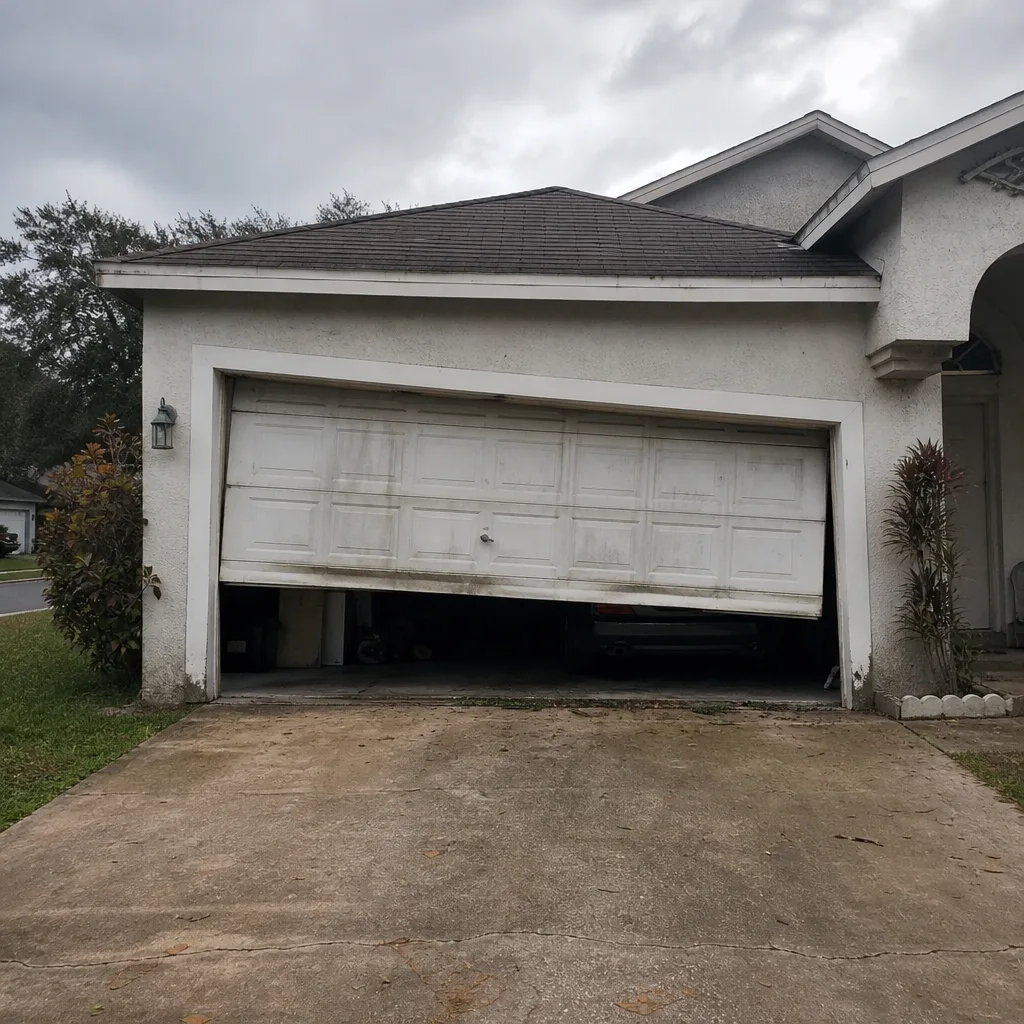 Before
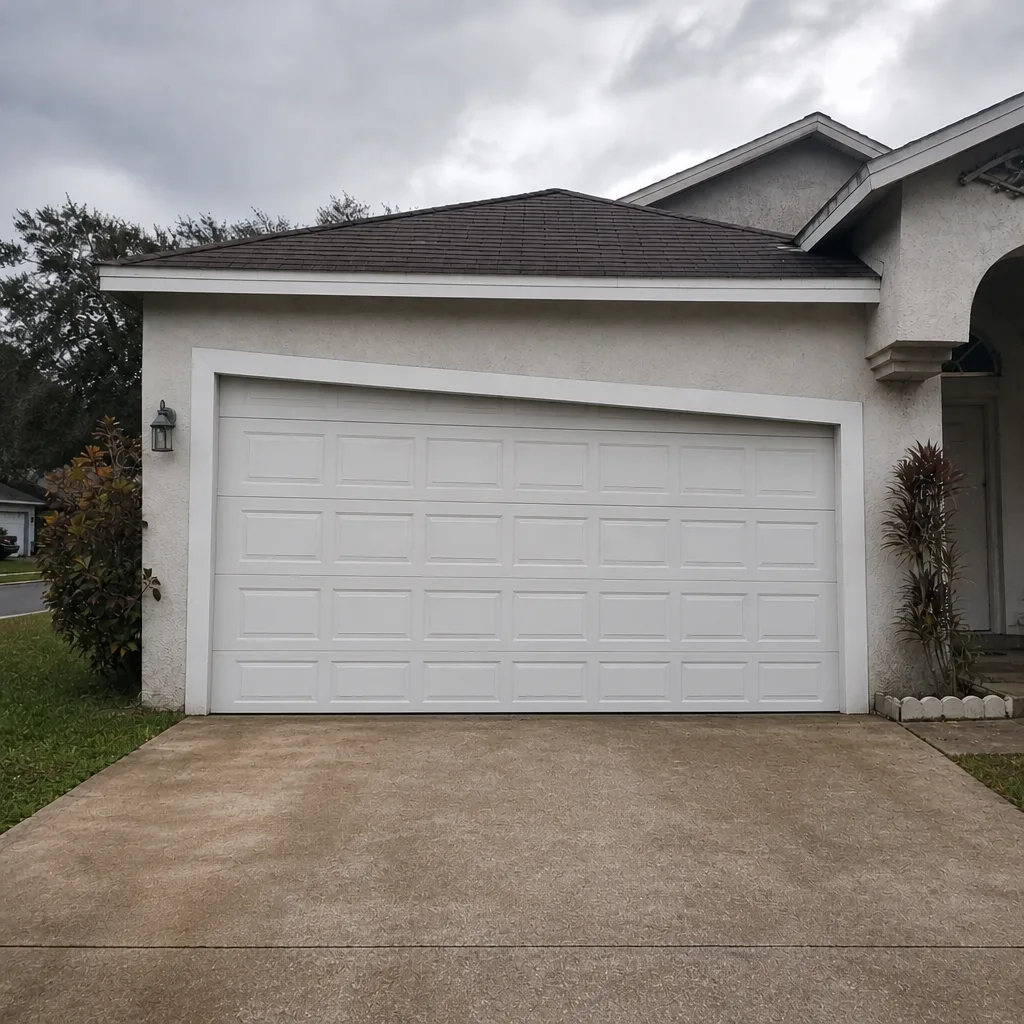 After
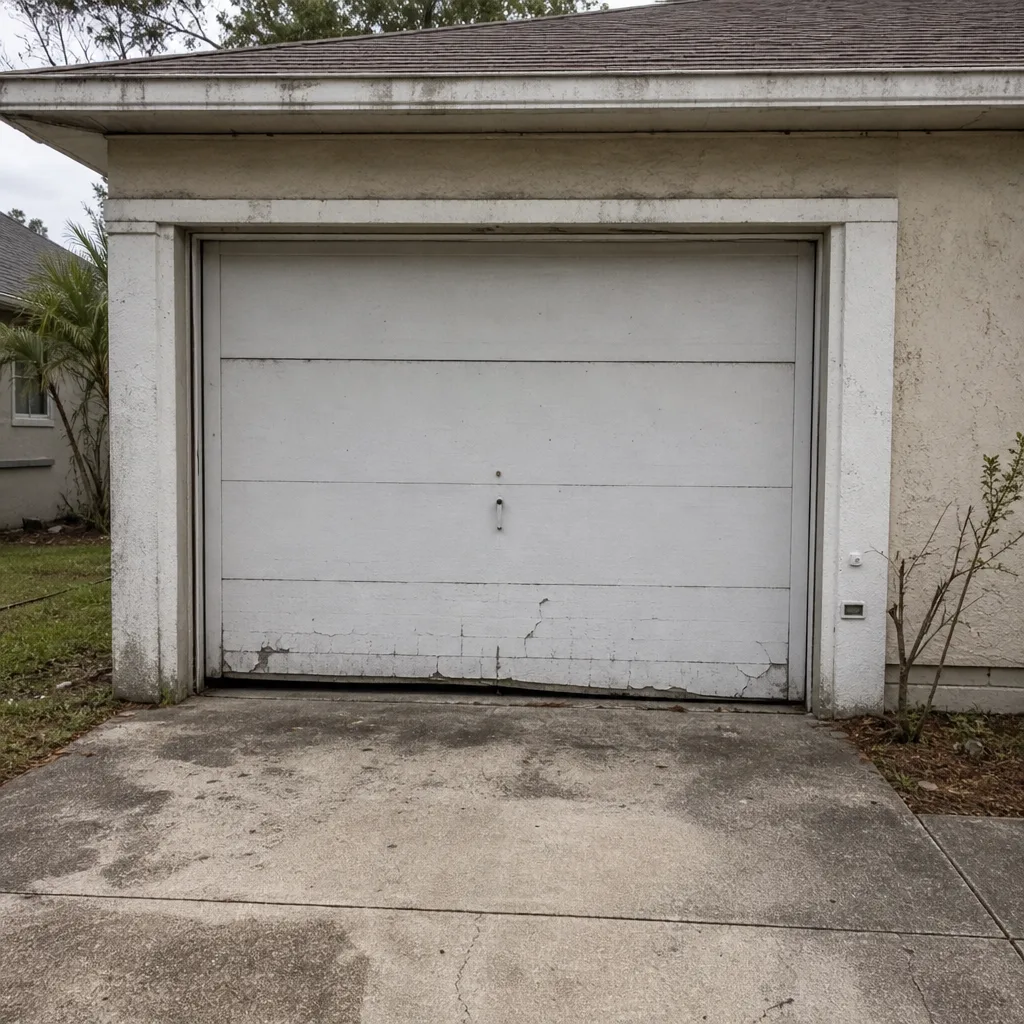 Before
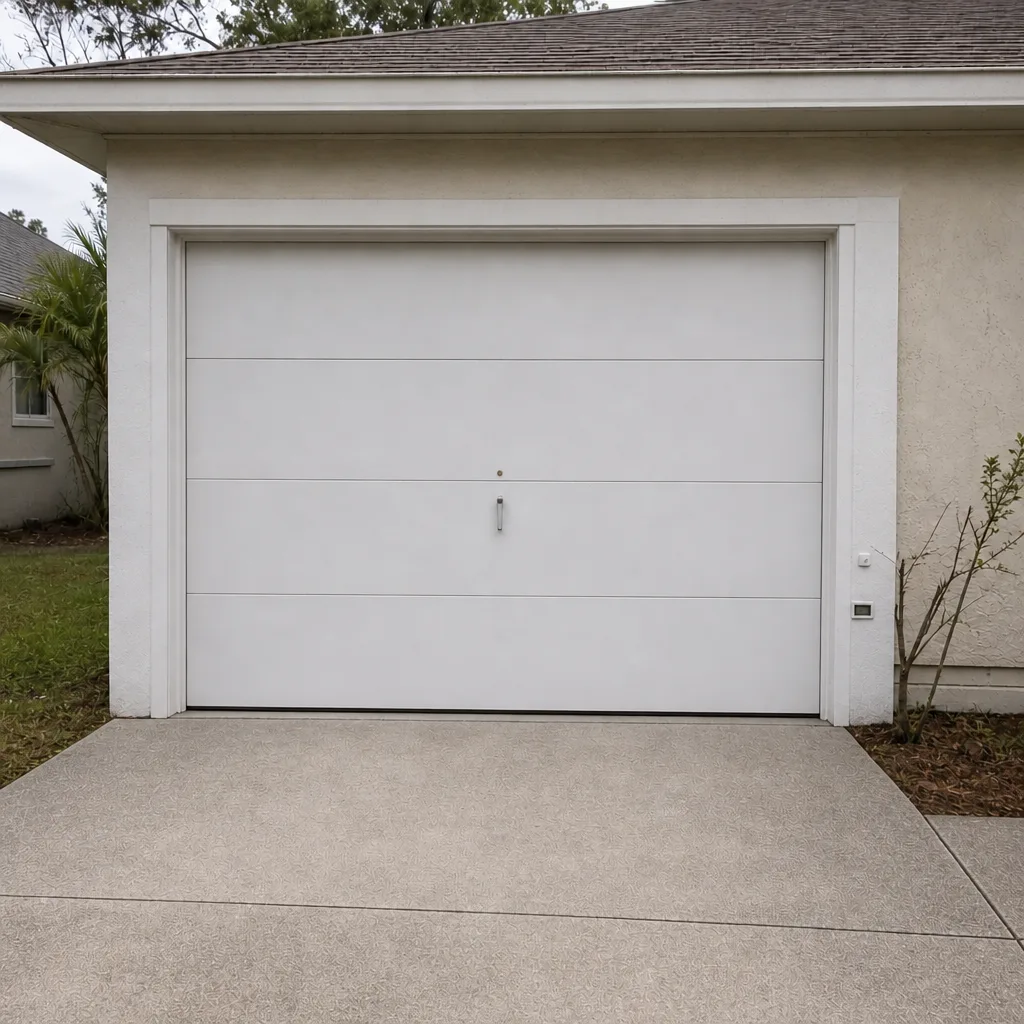 After
When to Call a Professional
Call a trained technician when the door makes a single sharp crack or bang, when it’s hard to lift by hand, when you can see frayed cables or slack on one side, when a track is visibly out of line, or when the door reverses or refuses to close. Any of those is a stop-using-it signal, and some are safety issues that shouldn’t wait. A steady rumble or a loose hinge can wait for a scheduled visit, but a spring or cable warning should be checked before the door is cycled again. Carrington Garage Door Repair offers free estimates in Spring Hill – call (844) 560-6506. We answer 24/7. Fast dispatch from 7am to 7pm, Sunday through Friday. The price is quoted and agreed before any work starts, so the written estimate sets the final number.
Frequently Asked Questions
The clearest sign is a single sharp bang or popping sound that comes and goes, rather than a steady rumble. Pair that with a door that’s become heavy to lift by hand or drops when you let go during the balance test, and the spring is telling you it’s near the end. Stop cycling the door and get it inspected; springs are under extreme tension and aren’t safe to handle yourself. Call (844) 560-6506 for an exact estimate – estimates are free.
It’s a loud, single snap or bang, often described as a gunshot, followed by the door suddenly going slack or very heavy. Before it breaks, you’ll usually hear irregular popping or cracking over days or weeks. In Spring Hill humidity, corroded springs can fail faster once they start showing these sounds. If you’ve heard the snap, don’t operate the door – call (844) 560-6506 for an exact estimate.
Yes. With the door open, look at the cables along each side for individual wires standing out like whiskers, uneven tension, or cable overlapping on the drum. All of that is visible from several feet away. Never touch, adjust, or re-seat a cable yourself; they carry extreme tension. Call (844) 560-6506 for an exact estimate – estimates are free.
Pull the release cord with the door down and lift the door by hand. If it lifts easily but won’t open with the opener, the problem is the opener. If it’s heavy or hard to lift, the springs or cables are the issue and the opener is fine. We diagnose the whole system, so a healthy Genie or Chamberlain unit gets repaired rather than replaced. Call (844) 560-6506 for an exact estimate.
Humidity and warmth here create condensation on metal hardware, and that moisture streaks rust down from hinges, rollers, and bearing plates. Rust on a hinge is minor; rust on a spring or cable is a warning sign because it weakens metal under tension. Cleaning and lubricating early helps, but corroded springs and cables need a technician. Call (844) 560-6506 for an exact estimate.
No. We quote the job from what we actually find and write it down, and the price is agreed before any work starts. The written estimate is the price, and if the diagnosis changes, we talk it through with you before proceeding. Call (844) 560-6506 for an exact estimate – estimates are free, and we answer 24/7.
The Bottom Line
Garage doors fail loudly, but rarely without warning. The signals are there weeks ahead: a sharp crack that comes and goes, a door that’s getting heavy to lift, frayed cables you can spot from the ground, rust building on springs in this humid climate, weatherstripping pulling away, tracks drifting from settled ground. Learn to read them and you turn a potential emergency into a scheduled repair. Watch for two or more signs together, run the balance test when something feels off, and leave the springs and cables to trained technicians. Carrington Garage Door Repair handles the full system, from doors and openers to the hardware that holds them, and we work on what you already own rather than pushing a replacement. If your door is showing warning signs, don’t wait for the bang. Call Carrington Garage Door Repair at (844) 560-6506 for a free estimate. We answer 24/7. Fast dispatch from 7am to 7pm, Sunday through Friday.
Written by the team at Carrington Garage Door Repair.