
Last updated November 16, 2026
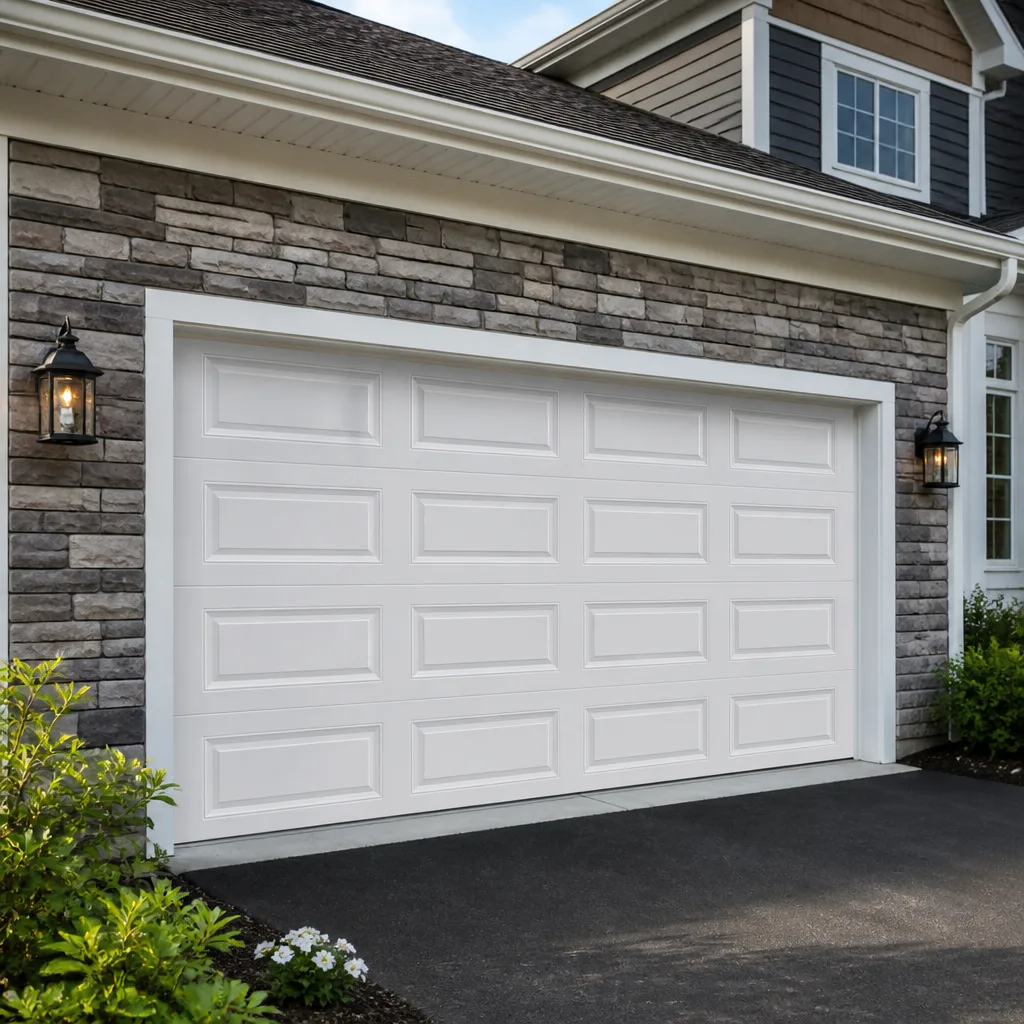 Raised-panel steel
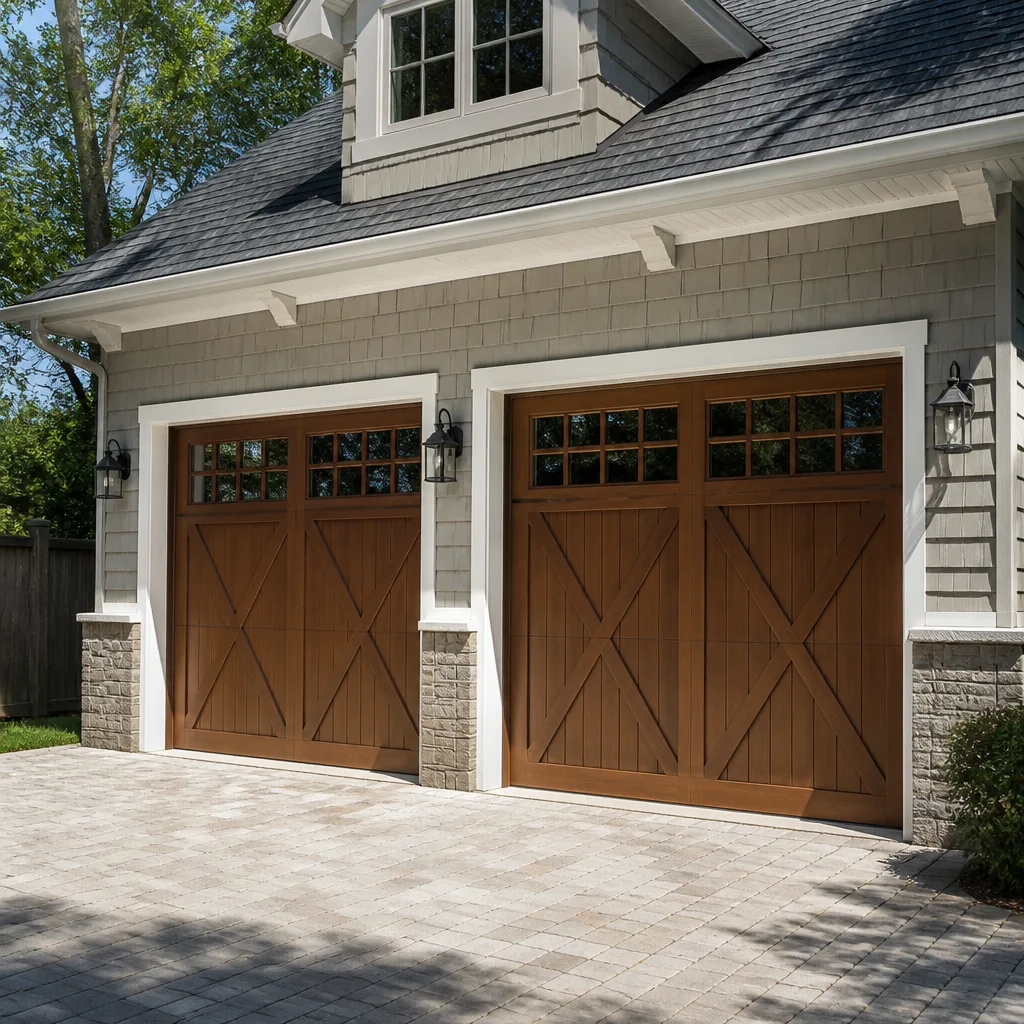 Carriage house
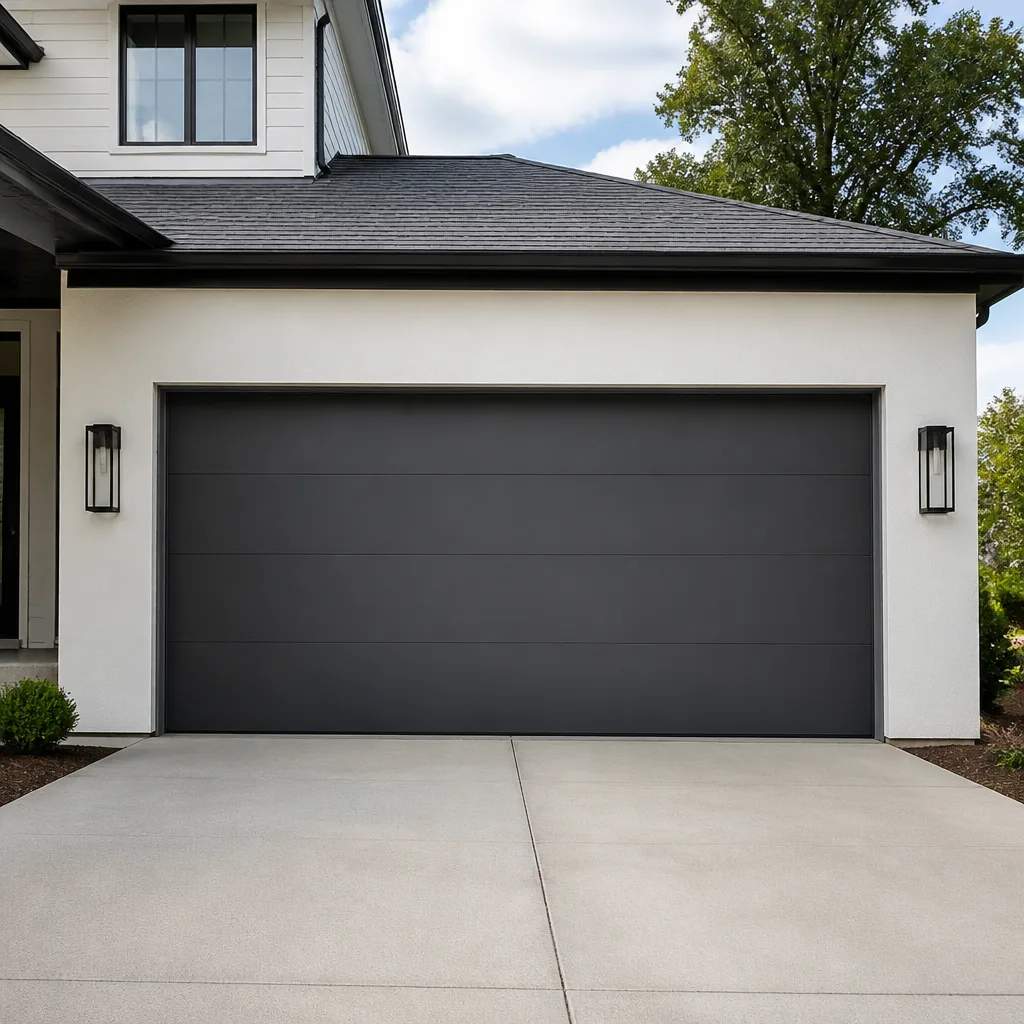 Modern flush
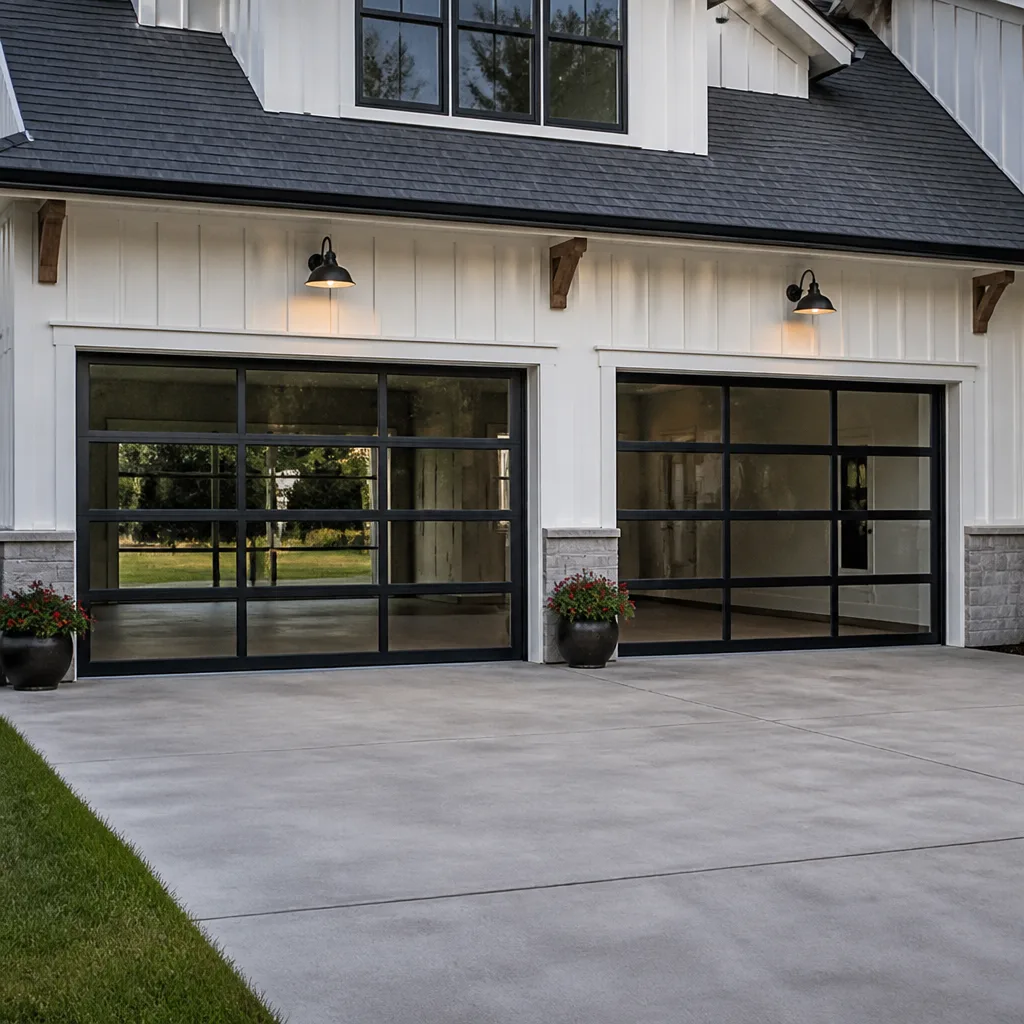 Full-view glass
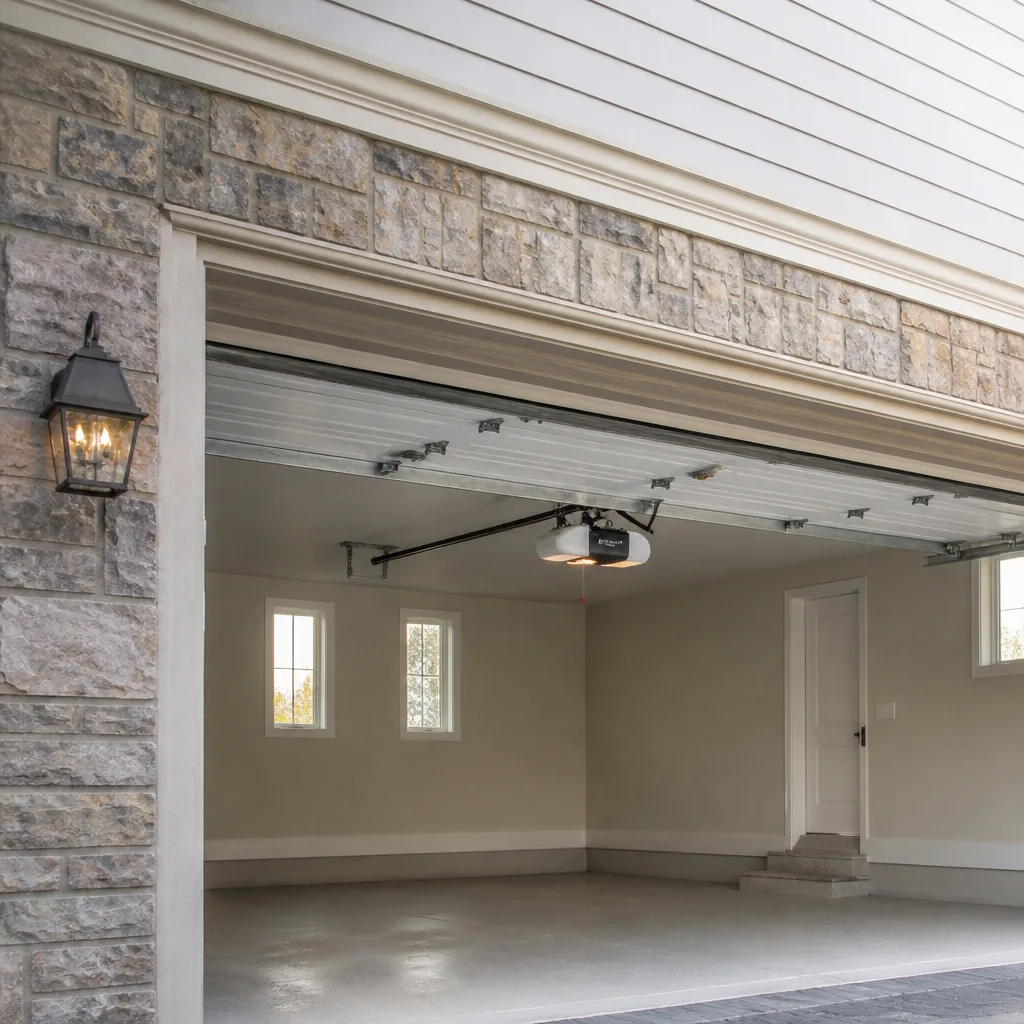 LiftMaster openers
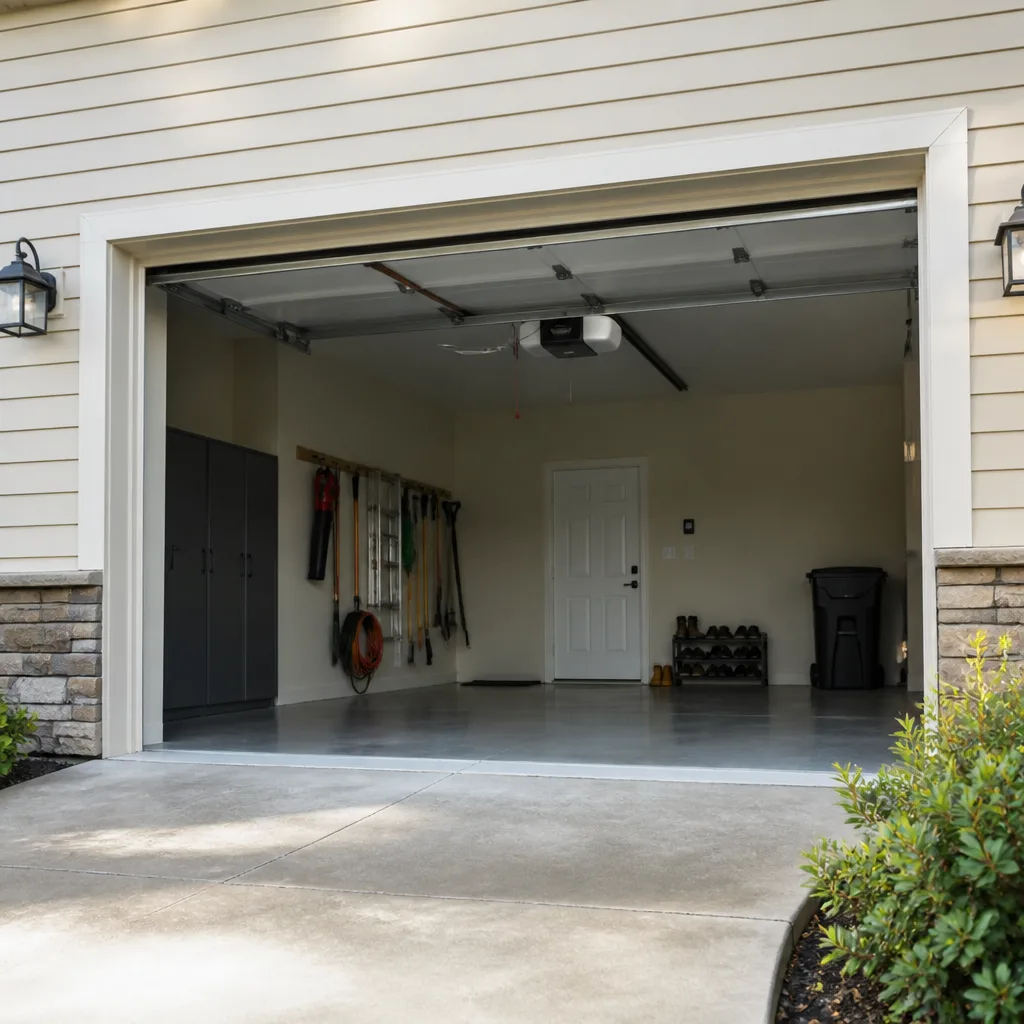 Chamberlain openers
Full 25-point door and opener safety check with every visit - springs, cables, rollers, tracks, and your LiftMaster or Chamberlain opener included
You get a price before we start. It does not change when the pro arrives.
Get your free estimateSeasonal Garage Door Care for Spring Hill: Year-Round Homeowner’s Guide
If you moved to Spring Hill from a northern state, you probably have a November habit: drain the hoses, dig out the snow brush, and think about “winterizing” whatever’s attached to the house. Here, that advice is wasted. Our calendar doesn’t run on four seasons. It runs on a long dry stretch from November through April, a rainy and hurricane season from June through September, and two short transition windows in between. Your garage door feels every one of them. This guide covers what to check before the storms arrive, how hurricane wind load works on the largest opening in your house, what the dry months do to wood and seals, and why October and May are the smartest months to book a tune-up.
Quick Answer
Garage door care in Spring Hill should follow two real seasons rather than four: inspect and tighten everything in April and May before daily storms begin, prepare the door as a wind barrier before hurricane season peaks, then use the dry months to watch wood frames and seals, and book professional tune-ups in October or May. Humidity, heat, and storm pressure do more to a door here than cold ever does.
Styles & brands we work with
- Raised-panel steel
- Carriage house
- Modern flush
- Full-view glass
- LiftMaster openers
- Chamberlain openers
Table of Contents
- Why Spring Hill’s Garage Door Calendar Has Only Two Real Seasons
- The April-May Pre-Rainy Season Checklist
- Hurricane Prep for the Largest Wall of Your Home
- Dry Season Care: What Lower Humidity Does to Wood, Seals, and Springs
- Why October and May Are the Best Months for a Tune-Up
- Documenting Seasonal Condition for Insurance Purposes
- A Month-by-Month Care Calendar
- Common Mistakes to Avoid
- When to Call a Professional
- Frequently Asked Questions
Why Spring Hill’s Garage Door Calendar Has Only Two Real Seasons
Spring Hill sits in a subtropical stretch of Hernando County where the year splits into a wet half and a dry half. From roughly June through September, afternoon storms roll through most days, the air holds moisture like a sponge, and humidity sits on every metal surface in your garage. From November through April, rain becomes rare, afternoon humidity drops, and the wood and rubber on your door dry out and shrink. Between them sit two transition windows, October and May, when conditions are mildest.
That rhythm matters because garage doors fail in different ways in each half of the year:
- Wet season failures: swollen wood frames that bind a door in its opening, rust forming on hinges and rollers, weather seals that soften and tear, and opener logic boards that misbehave in humid garages.
- Dry season failures: wood panels and jambs that shrink and open small gaps, rubber seals that harden and crack, and springs that have quietly lost tension over months of daily cycling.
- Storm failures: wind pressure on a weak panel, a door that bows inward, and tracks that bend when a door is pushed out of alignment.
A door that felt perfect in a dry April can start dragging across the floor by July simply because the frame around it swelled. We’ve seen this pattern repeatedly across Spring Hill, and it’s the single biggest reason we tell homeowners to treat April and May as the real “get ready” months, not November.
The April-May Pre-Rainy Season Checklist
The weeks before daily storms begin are your best chance to catch small problems while they’re still small. Run through this list once in April or early May, and again in June if the first heavy rains reveal something new.
- Test the auto-reverse safety feature. Place a solid object like a roll of paper towels in the door’s path and close it. The door should reverse on contact. If it doesn’t, stop using the opener and have it checked.
- Look at the weather seal along the bottom. A seal that’s cracked, stiff, or pulling away lets driven rain into the garage. Run your hand along it and look for daylight underneath.
- Check the hinges and rollers for rust or wobble. Humidity starts working on bare metal in June. A light check now beats a seized roller later.
- Listen to the door as it moves. Grinding, squealing, or a door that hesitates mid-travel is telling you something is out of adjustment.
- Look at the tracks for dents or debris. Small dents become bigger problems when a door is stressed by wind or heat expansion.
- Check the balance. Pull the opener release (with the door closed and no one underneath) and lift the door halfway by hand. A balanced door stays put. One that slams down or drifts up needs professional attention.
- Clear the garage’s ventilation. A garage that traps humid air all summer is harder on springs, hinges, and opener electronics.
One safety note before you start: springs, cables, and the brackets they attach to are under high tension and can cause serious injury if handled incorrectly. Visual inspection and the balance test are fine for a homeowner. Anything involving tightening, adjusting, or replacing a spring or cable belongs to a trained technician. When in doubt, leave it alone and call.
Hurricane Prep for the Largest Wall of Your Home
Your garage door is usually the largest single opening in the house, which makes it the most vulnerable wall in high wind. When wind pressure builds against a door that isn’t rated for it, the door can bow inward, the tracks can bend, and once that opening fails, wind gets inside and pressure builds on the roof and walls from within. That’s why hurricane preparation here starts with the garage, not the windows.
Here’s how to think about it before storm season peaks:
- Know what your door is rated for. Impact-rated and wind-load-rated doors exist, and if yours came with the house, the rating may be printed on a label on the door or listed in your closing documents. If you can’t find it, a professional can help you identify it.
- Add a bracing kit if your door isn’t rated. Horizontal and vertical reinforcement kits are a common retrofit for older doors. They’re installed by a technician and matched to the door’s width and weight.
- Test the door’s seal against driven rain. Hurricane season rain doesn’t fall straight down. A worn bottom seal or side seal lets water in even when the wind doesn’t breach the door.
- Back the car out before a storm and test the door. A full open-and-close cycle before landfall shows you whether anything is binding, and it clears the garage of anything the door could hit.
- Don’t force a damaged door. If a door is bent or off its tracks after a storm, forcing the opener will make it worse and could be dangerous.
After a storm passes through Hernando County, walk around the door and look for bent panels, tracks that are no longer straight, and a door that no longer sits flush against the frame. Those are the signs to get a professional assessment before you run the opener again.
Dry Season Care: What Lower Humidity Does to Wood, Seals, and Springs
Once the rains taper off in late October and November, your garage starts to dry out, and that’s not automatically good news. Wood shrinks as it loses moisture. Rubber hardens. Metal contracts slightly. A door that ran quietly all summer can develop a new rattle by January.
Here’s what to watch from November through April:
- Wooden door frames and jambs: Small gaps can open where the frame meets the wall or the door meets the stop molding. Those gaps let in pests, dust, and hot air, and they can throw off how the door seats in its opening.
- Weather seals: Rubber and vinyl seals that stayed soft in the humid months can stiffen and crack in the dry ones. A stiff seal doesn’t conform to the floor and stops keeping out water and pests.
- Spring tension: Springs lose a little tension with every cycle, and dry-season temperature swings make the change more noticeable. If the door feels heavier than it used to, that’s a sign to get it looked at.
- Track alignment: The slight movement of the structure in dry weather can knock a track a fraction out of line. A door that rubs against a track will wear out its rollers faster.
- Opener performance: Modern openers from brands like Chamberlain and Genie have safety sensors and logic boards that can be sensitive to temperature swings. If the door reverses for no obvious reason, the sensors or the opener’s travel limits may need adjustment.
Springs are the part of this list to treat with the most caution. A garage door spring is under enough tension to cause serious injury if it’s adjusted or removed incorrectly. Visual checks are fine. Actual work on a spring, cable, or the brackets holding them should always go to a trained technician.
Why October and May Are the Best Months for a Tune-Up
Professional tune-ups are most useful right before a season that stresses the door, not during it. That puts October and May at the top of the list in Spring Hill. October sits just before the dry months, so a technician can catch anything the wet season loosened, lubricate hinges and rollers before the dry air sets in, and check the seals before the humidity drops. May sits just before the rainy season, so it’s the right time to tighten hardware, replace a worn bottom seal, and confirm the opener’s safety reverse is working before storms start testing it daily.
What a tune-up usually covers:
- Lubricating hinges, rollers, and tracks with the right product for the hardware.
- Checking and adjusting the door’s balance and travel limits.
- Testing the opener’s safety reverse and photo-eye sensors.
- Inspecting springs, cables, and brackets for wear (visual only, no adjustment by the homeowner).
- Replacing or adjusting weather seals.
- Tightening hinge and bracket bolts that have worked loose.
- Confirming the door sits square in the opening and closes flush against the floor.
Booking in those windows also means you’re not competing with everyone else who noticed a problem mid-storm. If your opener is acting up, you don’t have to wait for a tune-up to get it looked at. We handle garage door opener repair as a repair job, not just a replacement job, so a sensor that needs realignment or a logic board that’s misbehaving gets diagnosed before anyone recommends a new unit.
Documenting Seasonal Condition for Insurance Purposes
If you ever need to file a claim after a storm, documentation is what makes the difference between a fast settlement and a long argument. A simple habit of photographing your garage door at the same points each year gives you a clear record of what was normal before a storm and what changed after.
Here’s a documentation routine that takes ten minutes twice a year:
- Photograph the whole door from inside and outside the garage, in good light, at the start of the dry season and the start of the rainy season.
- Photograph each panel close-up, especially the bottom panel, which takes the most impact and moisture.
- Photograph the tracks, hinges, and springs so any prior wear or rust is on record before a storm event.
- Photograph the opener and its label, along with the safety sensor area.
- Note the door’s rating label or bracing kit if it has one, and keep a copy with your homeowner documents.
- Keep a simple log of any repairs or parts replaced, with dates. After a storm, that log shows your door was maintained, which supports your claim.
After a storm event in Hernando County, photograph the door again before you move anything or run the opener. If a panel is dented, a track is bent, or the door won’t close flush, that “after” set of photos alongside the “before” set tells the story clearly. If you’re not sure whether damage is storm-related or pre-existing, a professional inspection can help you put together an accurate description for your insurer.
A Month-by-Month Care Calendar
Here’s the whole year at a glance. Use this as a rough plan and adjust for what your door actually does.
- November through January: Dry season begins. Watch for new gaps in wood frames, listen for rattles, and check seals after the first cool mornings.
- February and March: Mid dry season. Re-test the door’s balance and the opener’s safety reverse. Book a tune-up if you haven’t had one.
- April: Pre-rainy season. Run the full pre-season checklist: seals, rollers, tracks, balance, and opener sensors.
- May: Transition month. The ideal time for a professional tune-up and any hardware or seal replacements before storms start.
- June through September: Rainy and hurricane season. Keep the door’s path clear, test the door before storms, and don’t force anything that binds. Watch for rust on hinges and rollers.
- October: Transition month. Book a tune-up to catch what the wet season loosened, then photograph the door for your records.
If anything in that calendar feels like it’s slipping because the door is acting up, don’t wait for the “right” month. We provide garage door repair year-round, and the faster a small issue gets looked at, the less likely it is to turn into a bent track or a door that won’t close at all.
Common Mistakes to Avoid
Most of the seasonal garage door problems we come across start with one of these mistakes. None of them are unusual. All of them are avoidable.
- Following a northern maintenance calendar. “Winterizing” a garage door in Spring Hill in November misses the point, because the real stress window is June through September, not January. Build your checklist around the rainy season, not the cold one.
- Ignoring the bottom seal until it fails. A cracked bottom seal lets in driven rain, pests, and humid air all summer, and it’s a cheap part to replace. Check it every April and October rather than waiting to notice water in the garage.
- Assuming a humid garage needs no lubrication. Humidity makes some people think metal is “already wet enough.” In practice, hinges and rollers still need the right lubricant to resist rust and keep the door moving smoothly.
- Running the opener on a binding door. If the door is dragging, sticking, or bowing, the opener isn’t the problem and forcing it will bend tracks or burn out the motor. Diagnose the door first, then the opener.
- Attempting to adjust springs or cables yourself. Garage door springs are under high tension and can cause serious injury. Visual checks and the balance test are fine; anything involving adjustment belongs to a trained technician.
- Skipping the pre-storm door test. Running a full cycle before a storm tells you whether anything is binding, and it takes a minute. A door that fails mid-storm is far worse than one that fails while you’re standing there watching it.
- Not documenting seasonal condition. If you never photograph the door, you have no way to show an insurer what was normal before a storm. Ten minutes twice a year makes claims much simpler.
When to Call a Professional
Some seasonal checks are homeowner jobs. Others need a trained technician. Call a professional if the door reverses without reason, closes unevenly, or sits crooked in the frame; if you see rust on a spring, a frayed cable, or a bracket that looks bent; if the door is harder to lift than it was a few months ago; if an opener from LiftMaster, Chamberlain, Genie, Craftsman, or another brand keeps losing its travel limits or refusing to close; or if the door hasn’t been professionally tuned up in a year or more. If a storm has bent a panel or knocked the door off its tracks, don’t run the opener until someone looks at it.
Carrington Garage Door Repair offers free estimates in Spring Hill, and we work on equipment from eight major brands including Clopay, Amarr, LiftMaster, Chamberlain, Genie, Wayne Dalton, Craftsman, and Raynor. Call (844) 560-6506. We answer 24/7. Fast dispatch from 7am to 7pm, Sunday through Friday. If the estimate points to a repair, the price is quoted and agreed before any work starts.
Frequently Asked Questions
October and May are the best months for a tune-up in Spring Hill because they sit just before the two real seasons that stress a door. October gets you ahead of the dry months, and May gets you ahead of the rainy season. You can book an appointment outside those months too, and if the door is already acting up, don’t wait. Call (844) 560-6506 for a free estimate. We answer 24/7. Fast dispatch from 7am to 7pm, Sunday through Friday.
Preparing for hurricane season means confirming your door’s wind rating, adding a bracing kit if it isn’t rated, checking the seals against driven rain, and testing a full cycle before a storm arrives. If you can’t find a rating label on the door, a professional can help you identify it. Don’t force a damaged door after a storm. For a free estimate on bracing or repair, call (844) 560-6506.
Yes. Lower humidity from November through April causes wood frames to shrink and rubber seals to harden and crack. Small gaps can open at the frame, and seals that stayed soft in the humid months may stop keeping out water and pests. Check the seals and frame joints at the start of the dry season. If you’d like someone to look at the door for you, call (844) 560-6506 for a free estimate.
No. Garage door springs and the cables attached to them are under high tension and can cause serious injury if handled incorrectly. Visual checks and the balance test are fine for a homeowner, but any adjustment or replacement belongs to a trained technician. For help with a spring that feels off, call (844) 560-6506 for a free estimate.
Not necessarily. Humidity can affect sensors and logic boards, and the fix is often an adjustment or a repair rather than a replacement. We diagnose opener systems from LiftMaster, Chamberlain, Genie, Craftsman, and other major brands before recommending anything. Call (844) 560-6506 for a free estimate and we’ll tell you what the issue actually is.
Photograph the whole door from inside and outside, then close-ups of each panel, the tracks, springs, and opener before you move or run anything. Pair those with photos you took before the season started so the change is clear. A simple repair log with dates strengthens the record. If you’re unsure whether damage is storm-related, a professional inspection can help. Call (844) 560-6506 for a free estimate.
The Bottom Line
Think of your garage door as following two seasons, not four. The dry stretch from November through April brings shrinking wood and hard seals; the wet stretch from June through September brings swollen frames, rust, and wind pressure on the largest opening in your house. April and May get you ready for the storms, October and May are the best months for a professional tune-up, and photographing the door twice a year makes any insurance claim far simpler afterward. Springs, cables, and anything bent by wind go to a trained technician, never a homeowner with a wrench.
If you’d rather have someone look at the whole system than guess, or if a repair is needed, call (844) 560-6506 for a free estimate. We handle repair, opener repair, and new installation as one team, with technicians who have up to 13 years of experience, and we work on your brand rather than steering you toward a new one. The price is quoted and agreed before any work starts, so the written estimate is the number that matters. We answer 24/7. Fast dispatch from 7am to 7pm, Sunday through Friday. Whether it’s Clopay, Amarr, or anything else on your door, one call covers the full system.
Written by the team at Carrington Garage Door Repair.
See the difference
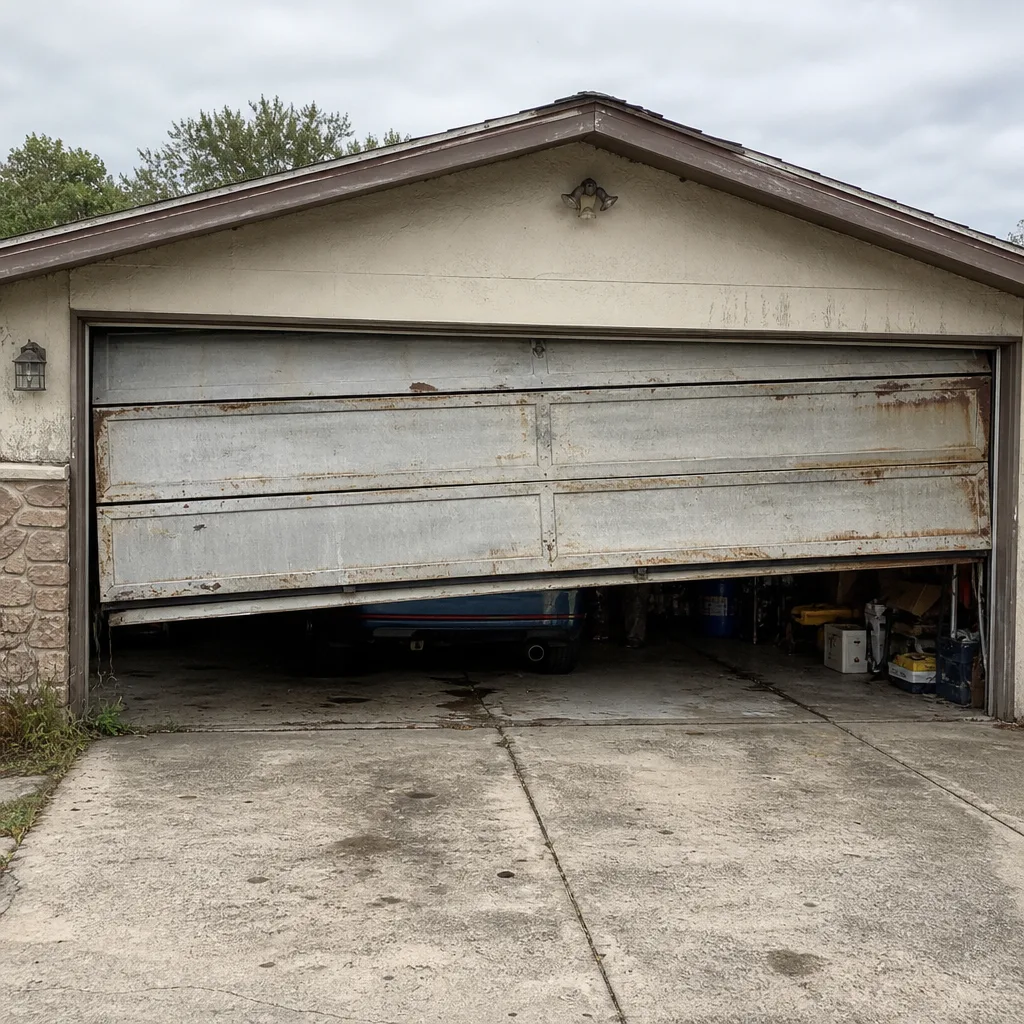 Before
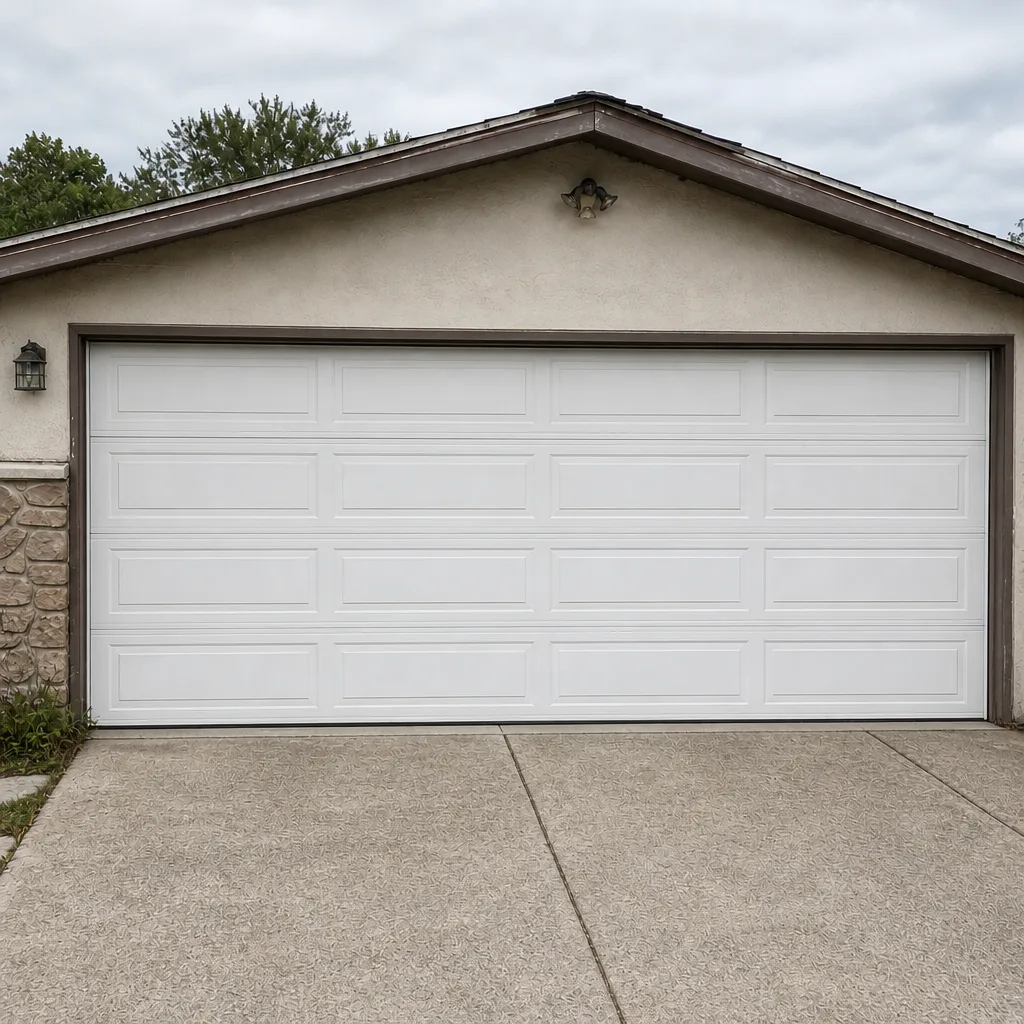 After
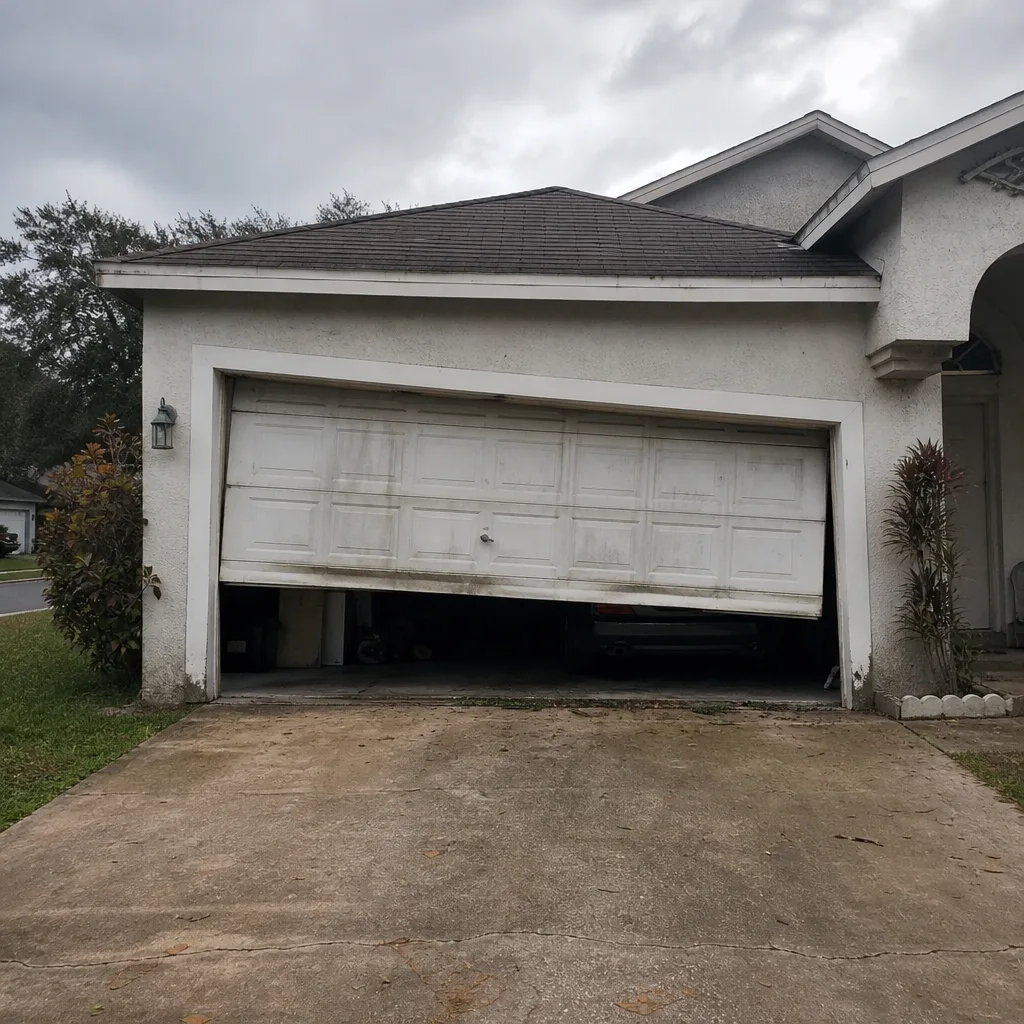 Before
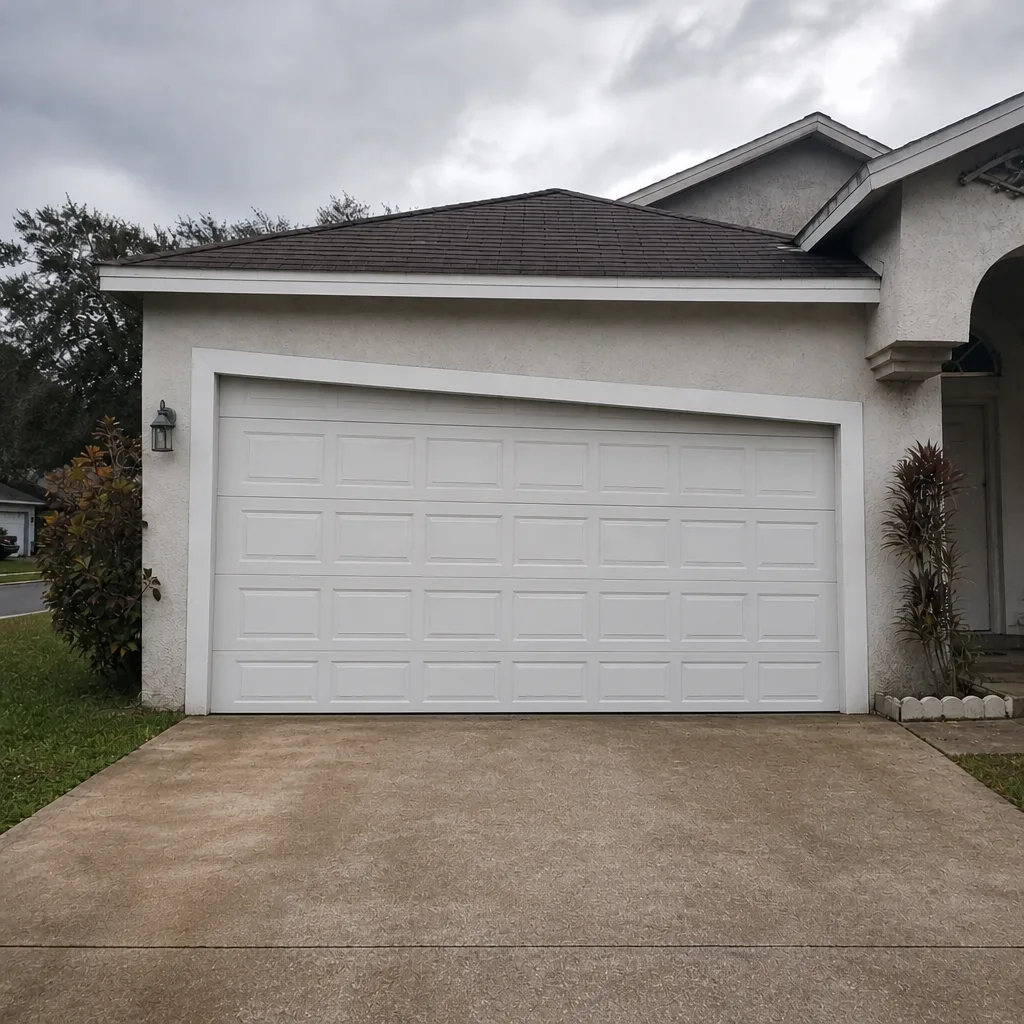 After
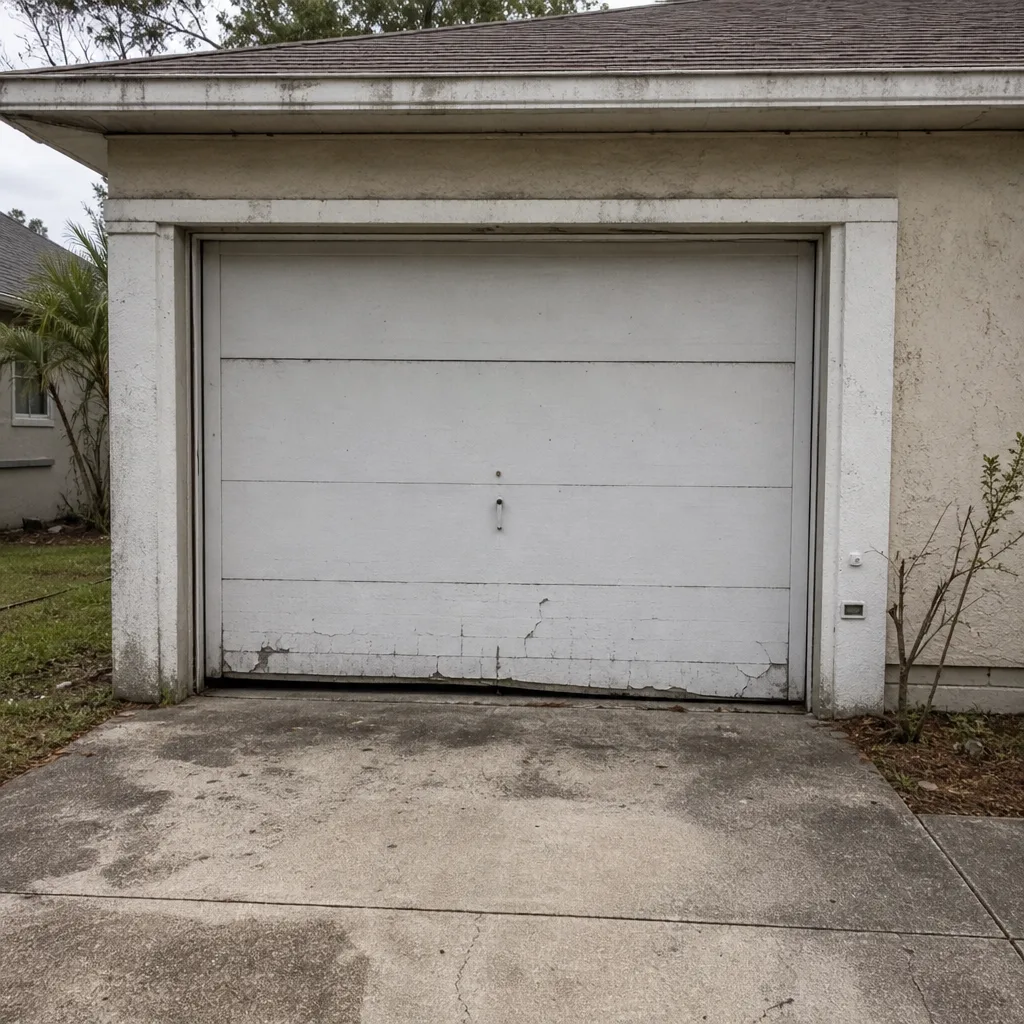 Before
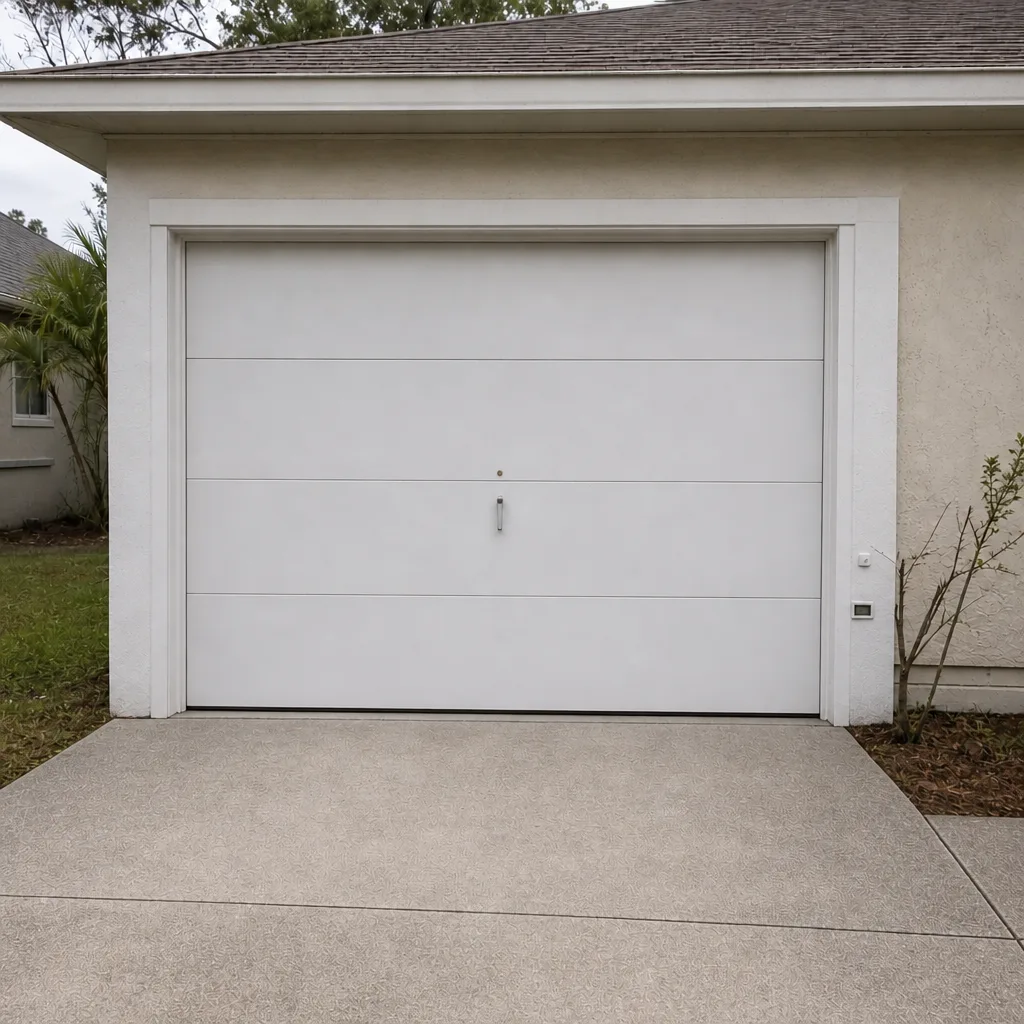 After