
Last updated November 16, 2026
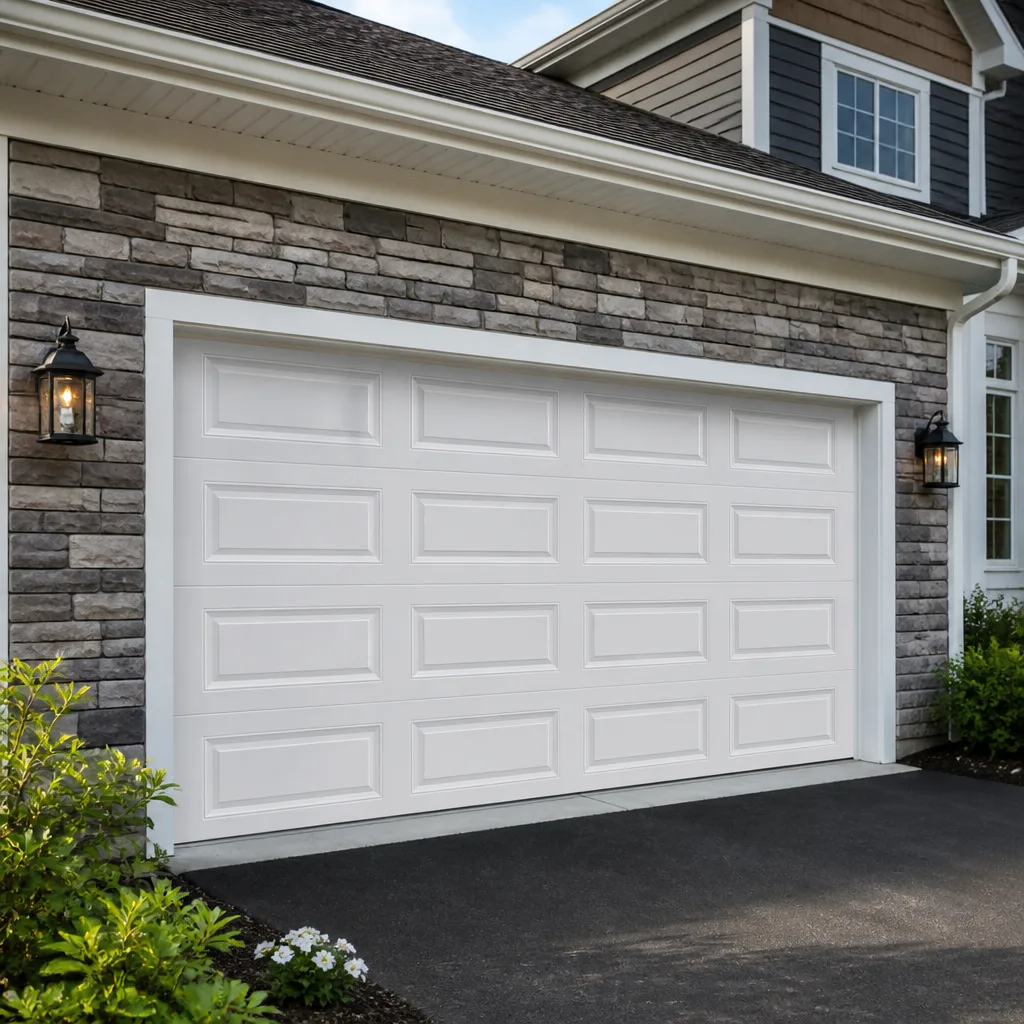 Raised-panel steel
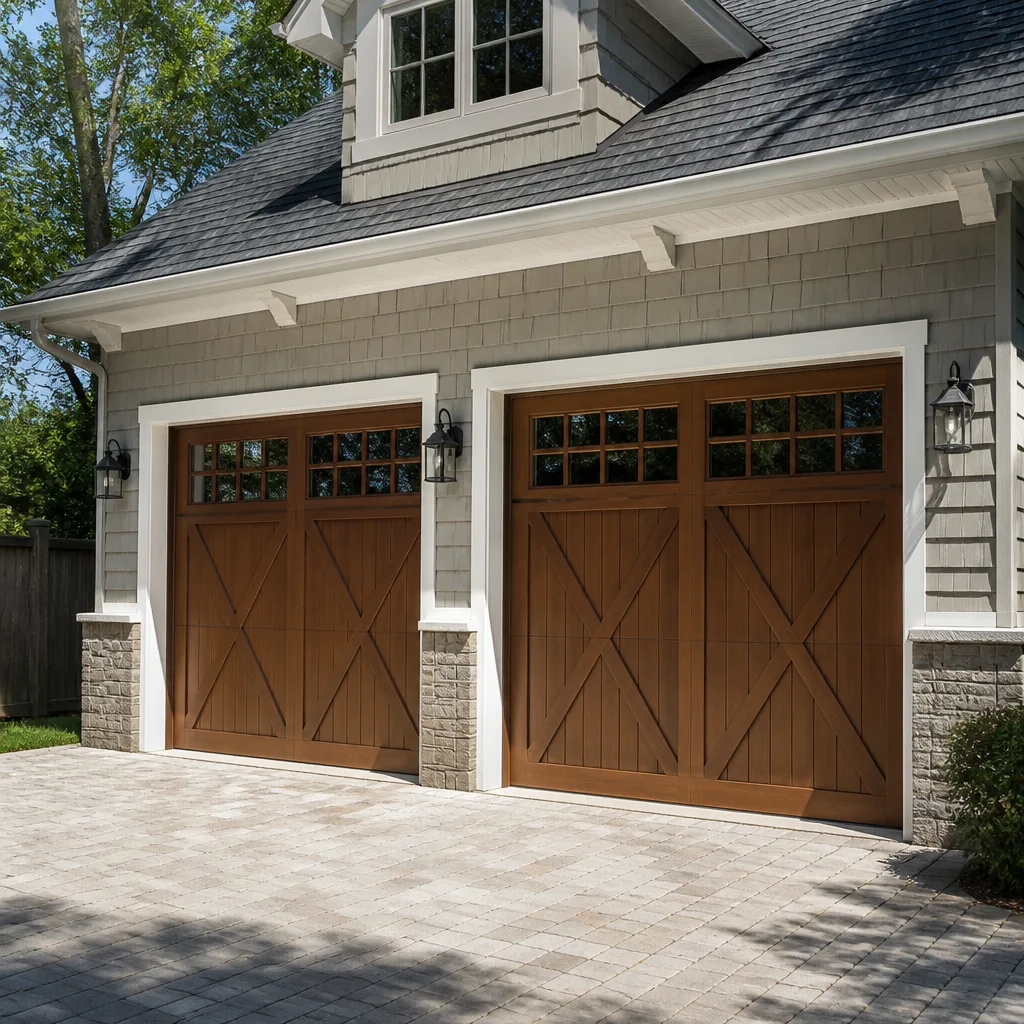 Carriage house
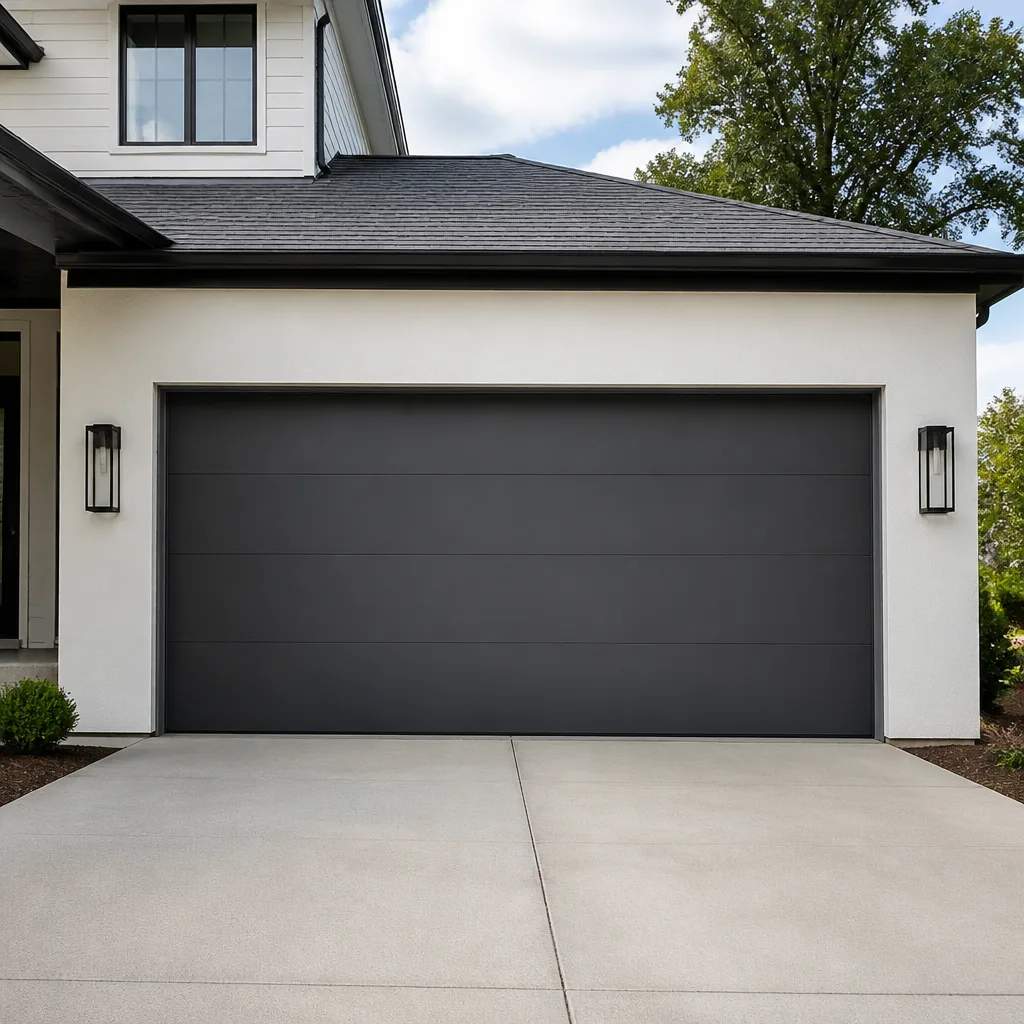 Modern flush
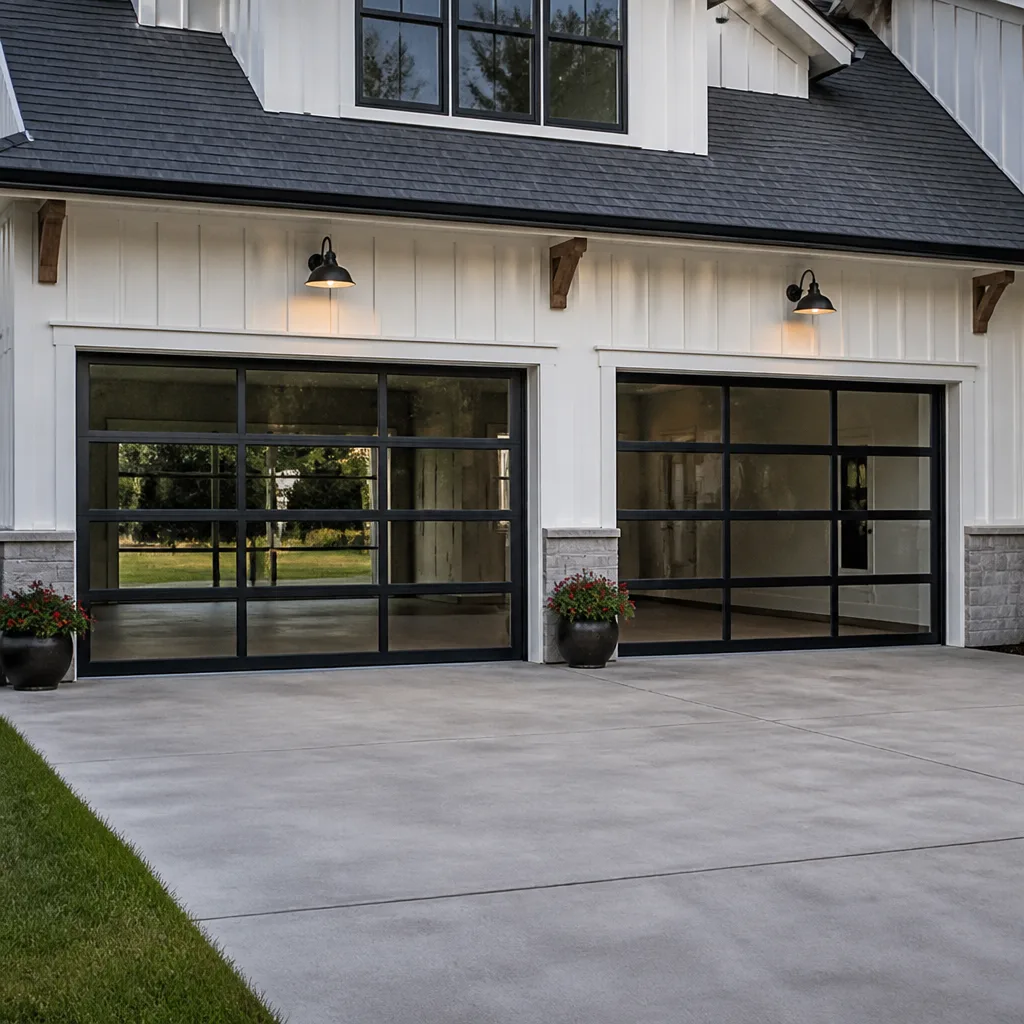 Full-view glass
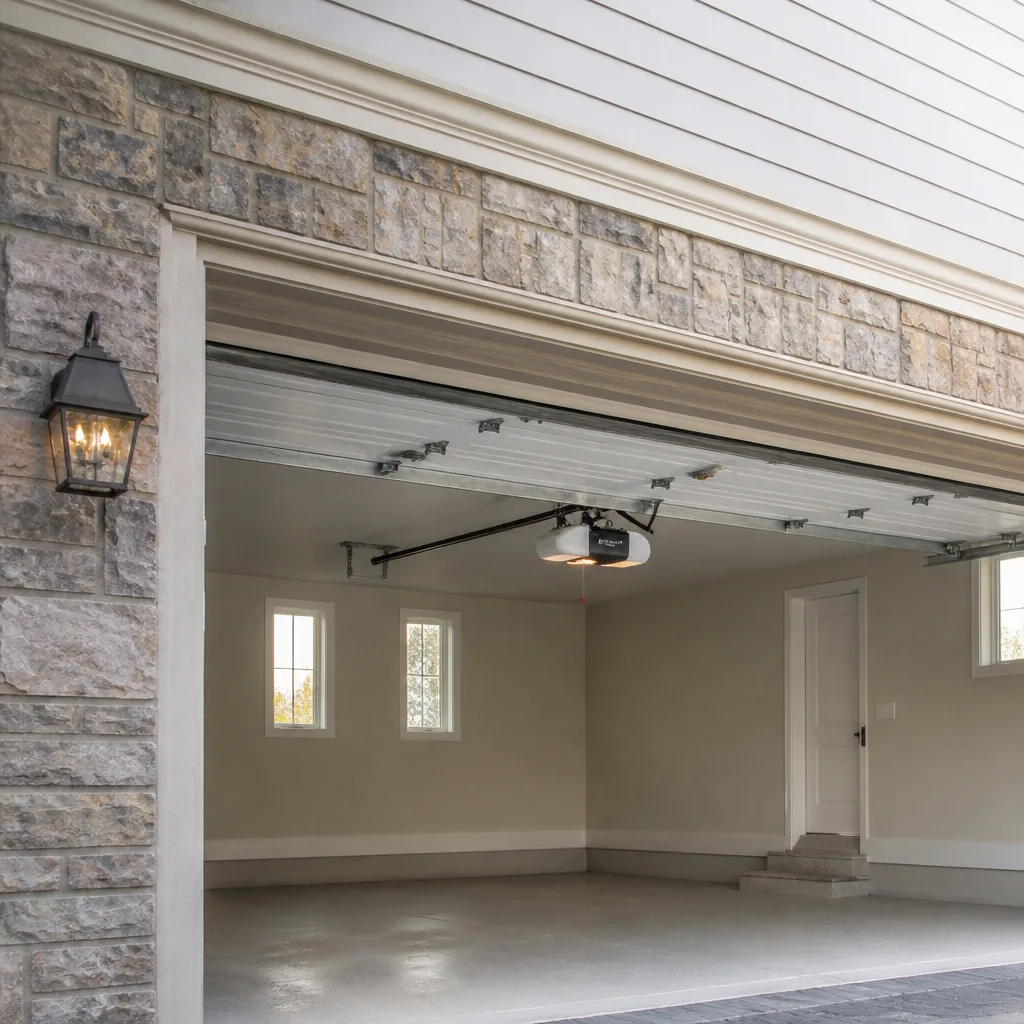 LiftMaster openers
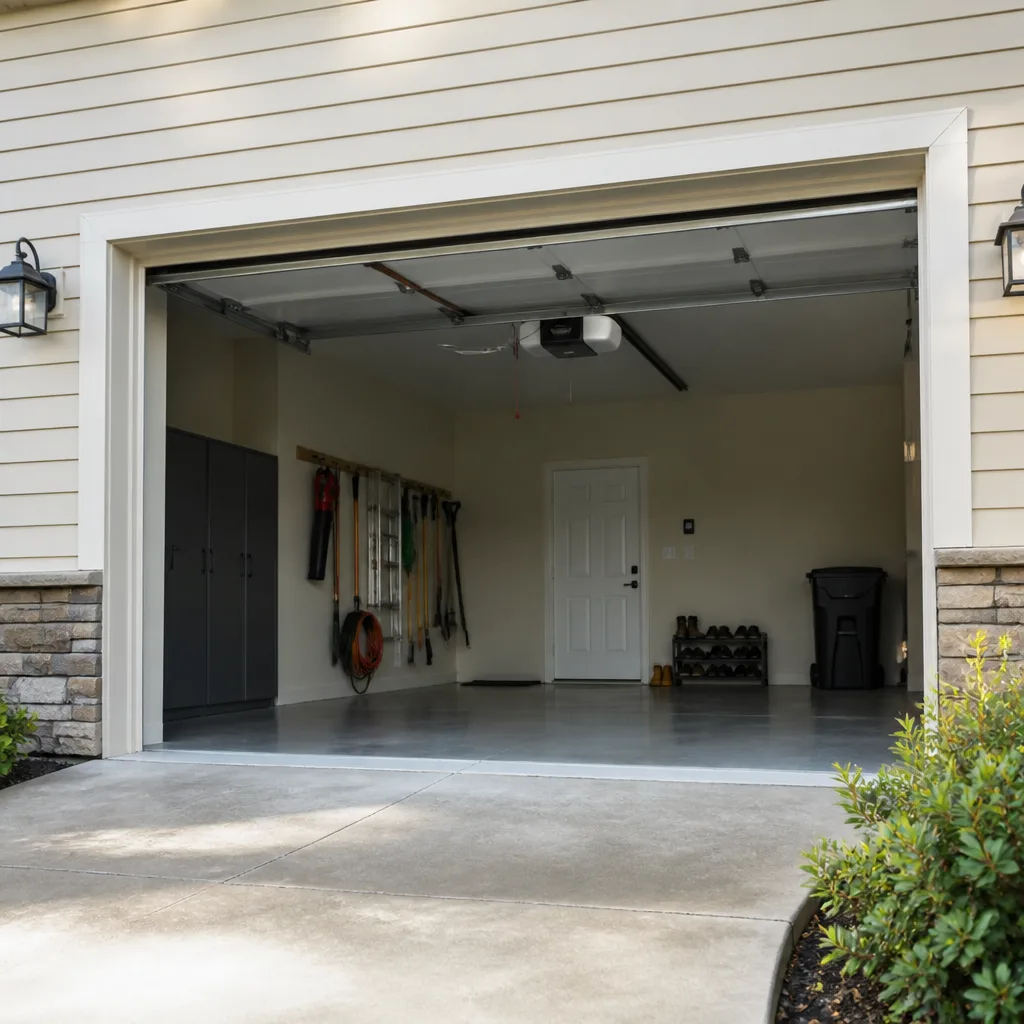 Chamberlain openers
Full 25-point door and opener safety check with every visit - springs, cables, rollers, tracks, and your LiftMaster or Chamberlain opener included
You get a price before we start. It does not change when the pro arrives.
Get your free estimateGarage Door Repair Maintenance Checklist for Spring Hill Homeowners
Most garage door maintenance advice you’ll find online was written for a climate that freezes. Lubricate every six months, check the springs once a year, and call it done. That schedule doesn’t match how a garage door actually ages in Spring Hill. Here, heat and humidity work on the hardware year-round, and the parts that fail first aren’t always the ones a national checklist tells you to watch. A door that runs quietly in October can start straining by the following July, and the difference is usually a worn spring, a stiff roller, or a sensor lens clouded by a summer storm. This guide walks through a maintenance routine built for Spring Hill homes, with intervals tuned to Florida conditions and the checks that matter most before storm season. You’ll learn what to inspect, how often, and when a problem needs a professional rather than a can of lubricant.
Quick Answer
In Spring Hill’s heat and humidity, garage door maintenance should run on a faster clock than the standard national advice. Check the door balance, rollers, and springs monthly, clean and realign the photo-eye sensors every month during storm season, inspect the bottom seal before and after the rainy season, and test the manual release twice a year. Springs, seals, and weather stripping wear faster here than in cooler climates, so the routine that keeps a garage door working reliably in Central Florida is a shorter loop, not a longer one.
Styles & brands we work with
- Raised-panel steel
- Carriage house
- Modern flush
- Full-view glass
- LiftMaster openers
- Chamberlain openers
Table of Contents
- Why Spring Hill’s Climate Changes the Maintenance Schedule
- The Monthly Checklist for Spring Hill Garages
- Photo-Eye Sensors: A Monthly Task, Not an Annual One
- Bottom Seal Inspection Before and After Rainy Season
- Spring Fatigue and Hardware Wear in Florida Heat
- Checking Hardware for Early Corrosion
- The Manual Disconnect Test Every Homeowner Should Run
- What Changes With Your Door and Opener Brand
Why Spring Hill’s Climate Changes the Maintenance Schedule
A national maintenance chart assumes a garage that experiences four seasons and a long cold stretch every year. A garage in Spring Hill runs in warm, humid air almost every month. That changes which parts age fastest and how quickly they do it.
Heat is the main force. Torsion springs, the coiled steel that lifts the door, are under constant tension and expand and contract with temperature swings. In a garage that reaches well into the nineties on a July afternoon, those cycles add up faster than they do in a colder climate. A spring that might last years in a temperate garage may show fatigue sooner here. Humidity comes next. Metal hardware, hinges, and roller bearings are vulnerable to surface corrosion when the air stays damp, and Central Florida has no shortage of damp air. Then there’s the storm pattern: heavy afternoon rain through the summer months, followed by a drier stretch. That rhythm is hard on seals and weather stripping, and it tends to push water and debris toward the bottom of the door.
What changes in practice:
- Springs: inspect for wear more often than the annual check a colder-climate guide suggests.
- Sensors: clean and test monthly during storm season rather than annually.
- Seals: check before the rainy season and again after it ends.
- Hardware: look for early corrosion on hinges and rollers more frequently.
- Balance: test the door’s lift and close monthly, since a tired spring announces itself through balance.
None of this means a Spring Hill garage needs constant attention. It means the checklist is shorter and more frequent, and it’s oriented around the stress points this climate creates. For homeowners in the area who want a full inspection rather than a quick look, our Spring Hill service page spells out what a professional check covers.
The Monthly Checklist for Spring Hill Garages
Set aside twenty minutes once a month and run through the same short sequence. Doing it the same way each time makes it easy to spot what’s changed. Work through these steps in order:
- Listen before you look. Open and close the door once and stand still. Grinding, squealing, or a heavy rattle points to rollers, hinges, or track alignment. A door that sounds the same every month is doing fine.
- Watch the travel. The door should lift smoothly and settle evenly at the floor. A door that hesitates, jerks, or stops partway needs attention before something fails.
- Check the balance by hand. With the door closed and the opener disconnected (see the manual disconnect test below), lift the door halfway and let go. A properly balanced door should hold roughly where you release it. If it slams down or drifts up on its own, the springs are telling you something.
- Inspect the rollers and hinges. Look for flat spots on steel rollers, cracks in nylon ones, and loose or worn hinges. Wobbly rollers cause the track to wear unevenly.
- Wipe and check the photo-eye sensors. Clean the lens on each sensor and confirm the indicator lights are steady. Realign if the light flickers.
- Look at the bottom seal. Run a hand along the seal where it meets the floor. Cracks, gaps, or a seal that’s pulling loose let water and pests in.
- Check the opener’s response. The door should reverse when it meets an obstruction. If it doesn’t, stop using the automatic opener and have it checked.
Anything that looks off on the list is worth noting. Small issues caught early are cheaper to fix than a door that stops working on a hot morning when you’re trying to leave. If something on the list needs a professional look, our garage door repair service handles the full range, from a single hinge to a spring replacement.
Photo-Eye Sensors: A Monthly Task, Not an Annual One
Photo-eye sensors sit a few inches off the floor on each side of the door and tell the opener to reverse if something crosses their line. In a colder climate, an annual cleaning is usually enough. In Spring Hill, the sensors face two forces that make monthly attention the smarter habit: storm-season humidity and constant insect activity.
After a heavy afternoon rain, moisture can fog the lens on the sensors. When the lens clouds, the beam weakens and the door may refuse to close or reverse unpredictably. Homeowners often assume the opener has failed when the real problem is a smudged or fogged sensor. Bugs are the other issue. Spiders and small insects find their way into the sensor housing or build webs across the beam, and that’s enough to trigger a false obstruction. A quick wipe with a soft cloth clears most of it.
Here’s the monthly routine:
- Look at the small indicator light on each sensor. A steady light means it’s receiving; flickering or dark means something’s off.
- Wipe both lenses with a dry, soft cloth.
- Clear any webs, leaves, or debris from the sensor area.
- Close the door and watch that it travels all the way down without reversing.
- If the door reverses on its own, check alignment by nudging each sensor until the light steadies.
If cleaning and aligning doesn’t fix it, the sensor or the wiring behind it may need replacement. That’s a quick job for a technician who works on the opener every day. Our garage door opener repair service covers sensor issues, logic board faults, and motor problems without automatically recommending a new opener.
Bottom Seal Inspection Before and After Rainy Season
The bottom seal is the rubber strip along the base of the door that closes the gap between the door and the floor. It’s the part most exposed to the ground, and in Spring Hill it takes the full force of the summer rainy season. A worn seal lets water creep into the garage, invites pests, and eventually allows enough air exchange that the garage feels hotter and stickier than it should.
Spring Hill’s rain pattern gives you two natural checkpoints. The first is late spring, before the heavy afternoon storms settle in. The second is after the rainy season winds down, when any damage the summer caused has had time to show. At each checkpoint, look for these signs:
- Cracks and splits in the rubber, especially at the edges where it flexes most.
- A gap at the floor when the door is fully closed, which you can spot from inside with a light on.
- Pulling loose at the tracks, usually at one end where water has worked in.
- Compressed or flattened sections that no longer spring back after the door opens.
- Mildew or soft spots along the retainer at the bottom of the door.
A seal that’s cracked or sitting unevenly should be replaced rather than patched. It’s a small part, and a fresh seal does more for water intrusion than almost any other single fix. While you’re checking the bottom seal, glance at the weather stripping along the sides and top of the door. It wears the same way and protects the same interior space. If the stripping is brittle or missing, replacing all of it together keeps the seal consistent around the whole opening.
Spring Fatigue and Hardware Wear in Florida Heat
Springs carry the weight of the door and do the heavy lifting so the opener doesn’t have to. They’re also the part that fails most dramatically when they wear, and heat accelerates that wear. A garage that heats up every afternoon through the summer cycles the springs through expansion and contraction far more than a cooler climate would. Over time, that fatigue shows up as a door that feels heavy, opens slowly, or drifts back down after it’s raised.
Safety note: torsion and extension springs are under serious tension, and a spring that’s failing or broken can injure anyone near it. Never try to loosen, adjust, or replace a spring yourself, and never wind or unwind one with hand tools. This is work for a trained technician with the right equipment. If you suspect a spring is failing, stop using the door and call a professional.
What you can safely watch for:
- A door that lifts more slowly or feels heavier than it used to.
- Visible gaps or a stretched look in extension springs.
- A loud bang from the garage, which often signals a spring has snapped.
- The door sitting crooked or stopping partway up.
- Rollers that no longer roll smoothly, forcing the opener to work harder.
In our experience, spring fatigue in Spring Hill tends to show up gradually before it fails outright, which is why the monthly balance test matters so much. A door that once held halfway and now sinks is a door whose springs are tiring. Catching that early means a planned replacement instead of an unplanned one. Rollers and hinges wear on a similar curve, and lubricating them with a garage-door-rated lubricant once a month keeps them moving freely. Our team at Carrington Garage Door Repair works on springs, rollers, tracks, and openers as a single system, so a worn set gets looked at as a whole.
Checking Hardware for Early Corrosion
Humidity is a quiet enemy of garage door hardware. Homes within about 20 miles of the Gulf Coast see more moisture in the air on a typical day than inland homes at the same temperature, and Spring Hill sits inside that band. That moisture settles on metal parts, and where two metal surfaces meet, corrosion can start small and spread.
Look for the early signs before they become a repair:
- Inspect the hinges. Open the door halfway and look at each hinge plate. A chalky white or rust-colored film at the pivot point is early corrosion.
- Check the roller brackets. Look where the bracket attaches to the door. Rust here often means moisture is collecting.
- Look at the track. Rust streaks along the inside of the track, or a grainy feel on the surface, show where rollers are grinding.
- Examine the bottom fixtures. The brackets holding the bottom rollers sit closest to the floor and take the most moisture. Wipe them and check for pitting.
- Watch for paint bubbles on painted steel doors. Small bubbles often hide rust underneath.
Catching corrosion early is mostly about cleaning and lubrication. Wiping the hardware down and re-lubricating the moving parts slows it, and replacing a rusted hinge or bracket before it seizes saves a larger repair. On painted steel doors, a small touch-up where the paint has chipped keeps moisture away from the metal underneath. If the corrosion has reached the point where rollers are seizing or hinges are stiff, replacing those parts now is the more economical path.
The Manual Disconnect Test Every Homeowner Should Run
Every automatic garage door opener has a manual release, usually a red handle hanging from the carriage on the opener rail. That release lets you open the door by hand if the power goes out. During storm season in Spring Hill, power interruptions aren’t unusual, and a homeowner who’s never tested the release may not know how to use it when the moment comes.
Test it twice a year, once before storm season and once after. The routine:
- Close the door and make sure no one is standing under or near it.
- Pull the red release handle down firmly until it clicks. The door should now move by hand.
- Lift the door slowly and lower it, checking that it moves smoothly.
- Raise the door to about waist height, then engage the release again by pulling the handle toward the opener. The carriage should reconnect with a click.
- Run the opener through a full open and close to confirm it re-engaged properly.
Two things can go wrong with this test. The first is a release that won’t pull or won’t re-engage, which usually means the carriage or cable needs a look. The second is a door that’s too heavy to lift by hand once released, which points back to a tired spring. Either one is worth having a technician check. A door that can’t be opened manually is a door you can’t open when the power’s out, and in a home where the garage is the primary entry point, that’s a real problem.
What Changes With Your Door and Opener Brand
Most of the maintenance checklist above applies regardless of who made your door or opener. The parts wear the same way. What changes is the specifics: how a spring is mounted, how a sensor is wired, what an error code means on a particular opener, and which replacement parts fit. That’s where brand familiarity saves time. A Wayne Dalton door, a Craftsman opener, and a Raynor door each have their own parts and their own quirks.
We work on the major brands you’ll find throughout Spring Hill homes, including LiftMaster, Chamberlain, Genie, Clopay, Amarr, Wayne Dalton, Craftsman, and Raynor. That means a technician arrives already familiar with the equipment in your garage and diagnoses the actual problem rather than defaulting to a replacement. It also means the same team handles the door, the springs, and the opener, so a maintenance issue that crosses from one to the other stays with one point of contact.
When you do have a problem, this matters in practical ways:
- Knowing whether a LiftMaster opener issue is the logic board, the travel limits, or a sensor alignment.
- Recognizing when a Wayne Dalton hinge or a Raynor roller is a standard replacement versus a brand-specific part.
- Understanding how a Craftsman opener’s safety reverse should behave and testing it correctly.
- Confirming the correct spring size for the door rather than guessing.
We don’t sell you toward one brand or another. We fix what’s on your door and opener and tell you plainly what it needs. If you’re not sure what you’re working with, a quick look at the label on the opener and the door is usually enough to identify it.
Common Mistakes to Avoid
- Following a colder-climate maintenance schedule. The six-month lubricate-and-forget routine assumes a mild climate. In Spring Hill’s heat and humidity, a monthly check on springs, seals, and sensors catches wear before it becomes a failure.
- Ignoring the photo-eye sensors until the door stops closing. A fogged or bug-covered lens is a common cause of a door that won’t close. Cleaning the sensors monthly during storm season prevents most of these calls.
- Waiting to replace a cracked bottom seal. A cracked seal lets water and pests under the door and puts more strain on the door’s bottom section. Replacing it before the rainy season is far easier than fixing the damage after.
- Using the wrong lubricant on the track. Grease and heavy oil attract dirt and gum up the track. Use a garage-door-rated lubricant on hinges and rollers, and keep the track clean.
- Trying to adjust or replace a spring yourself. Torsion and extension springs are under extreme tension and can cause serious injury. This is a job for a trained technician, every time.
- Never testing the manual release. A release that won’t engage is a door you can’t open by hand during a storm-related power outage. Test it twice a year.
- Assuming a struggling opener needs replacing. Many opener problems, from sensors to logic boards to travel limits, are repairable. Diagnosing before replacing keeps the cost down and the door working.
See the difference
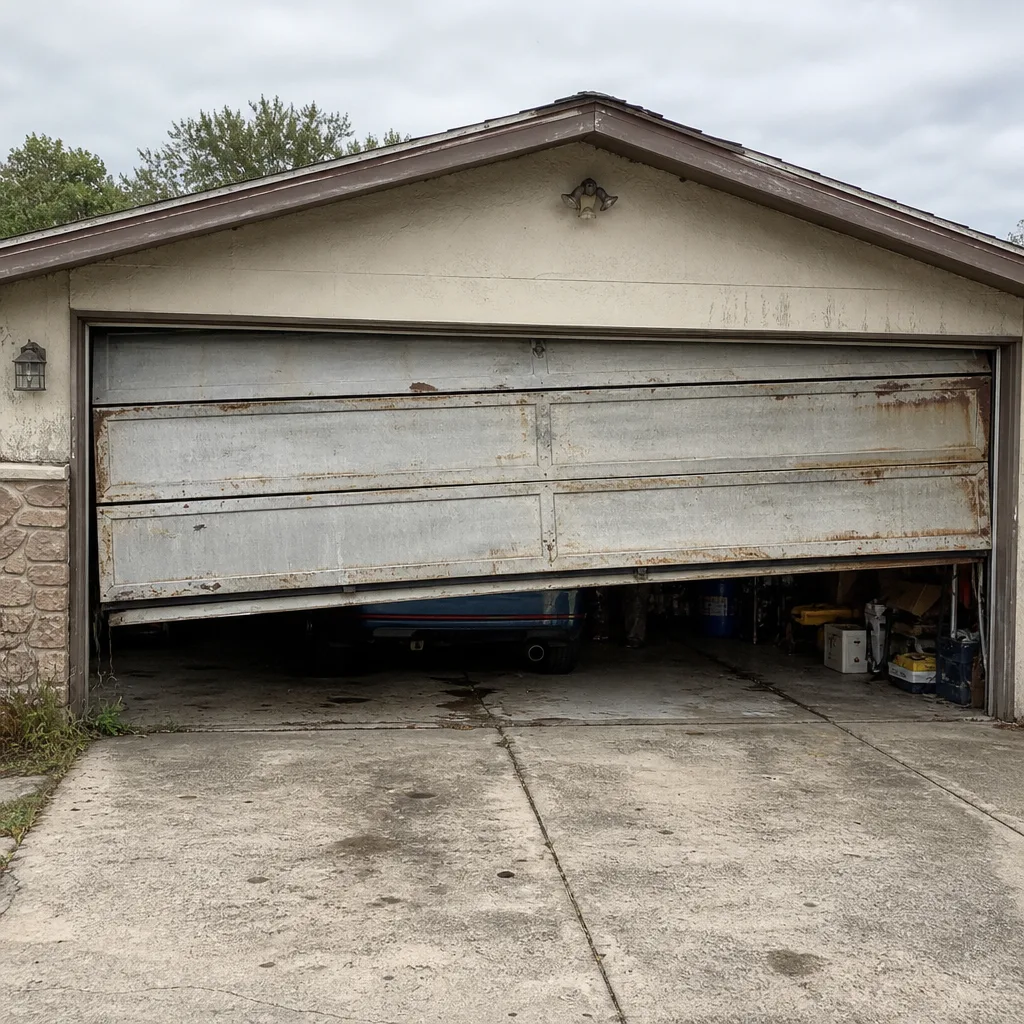 Before
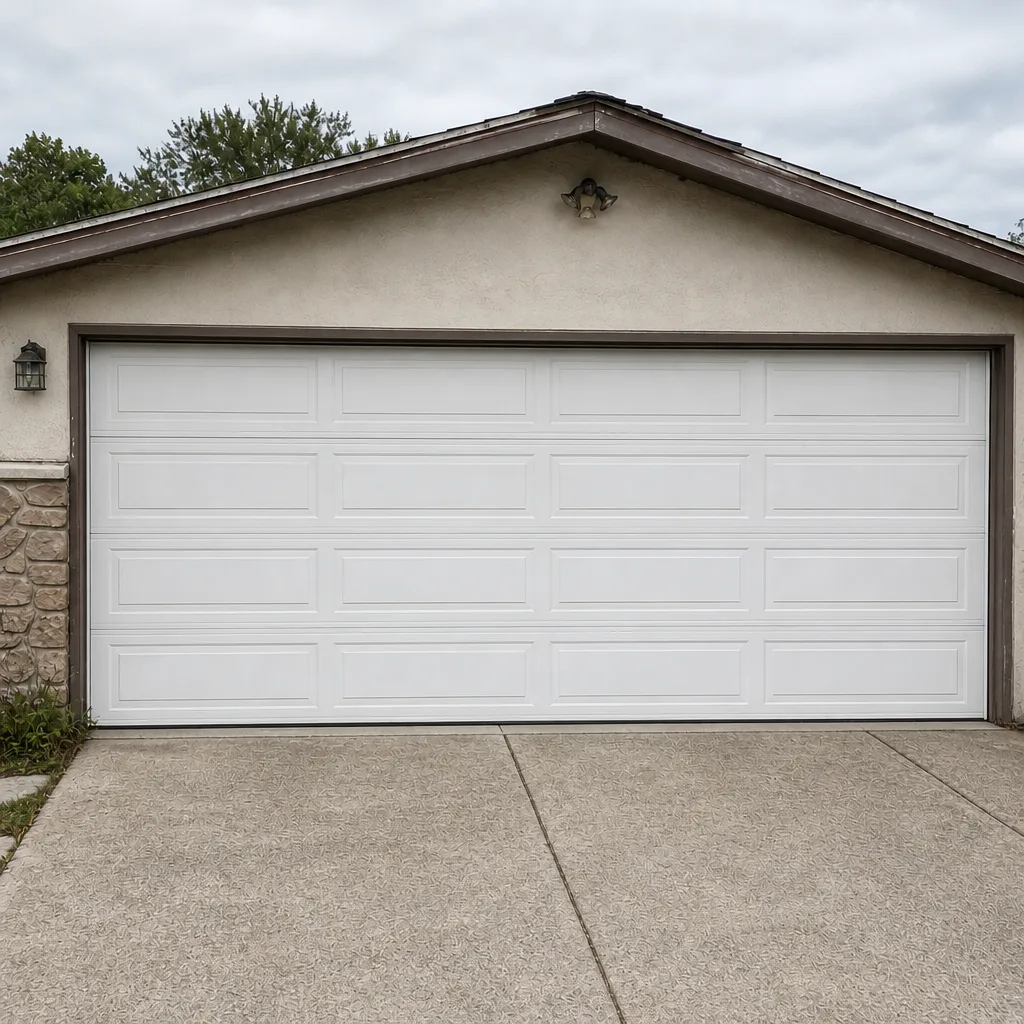 After
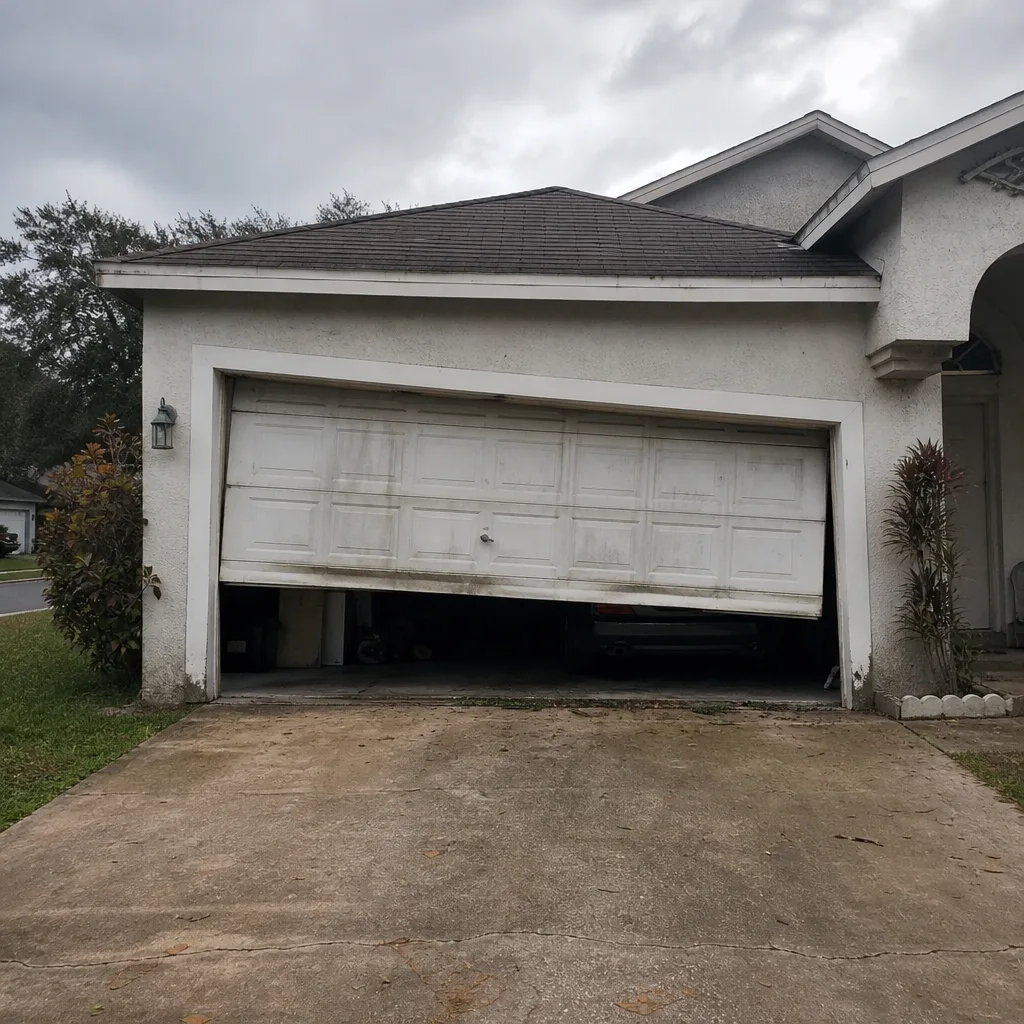 Before
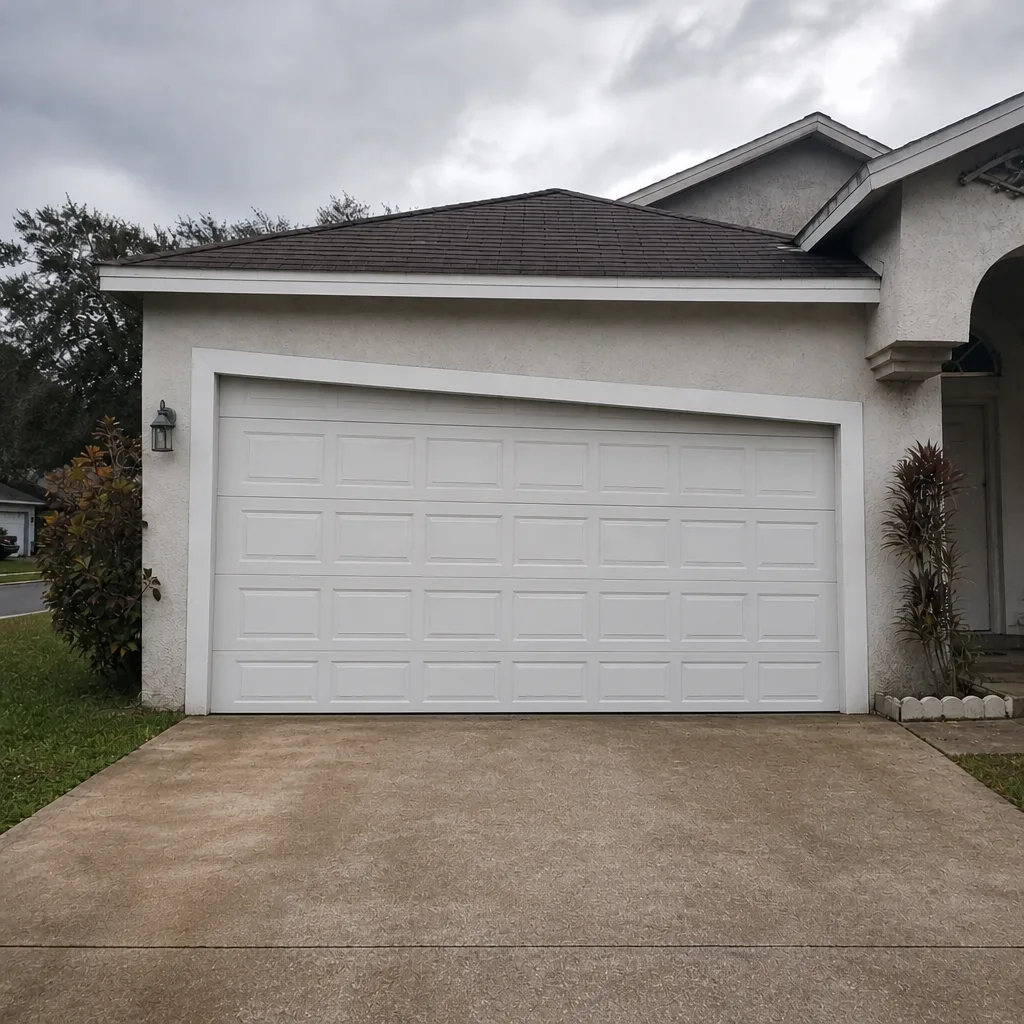 After
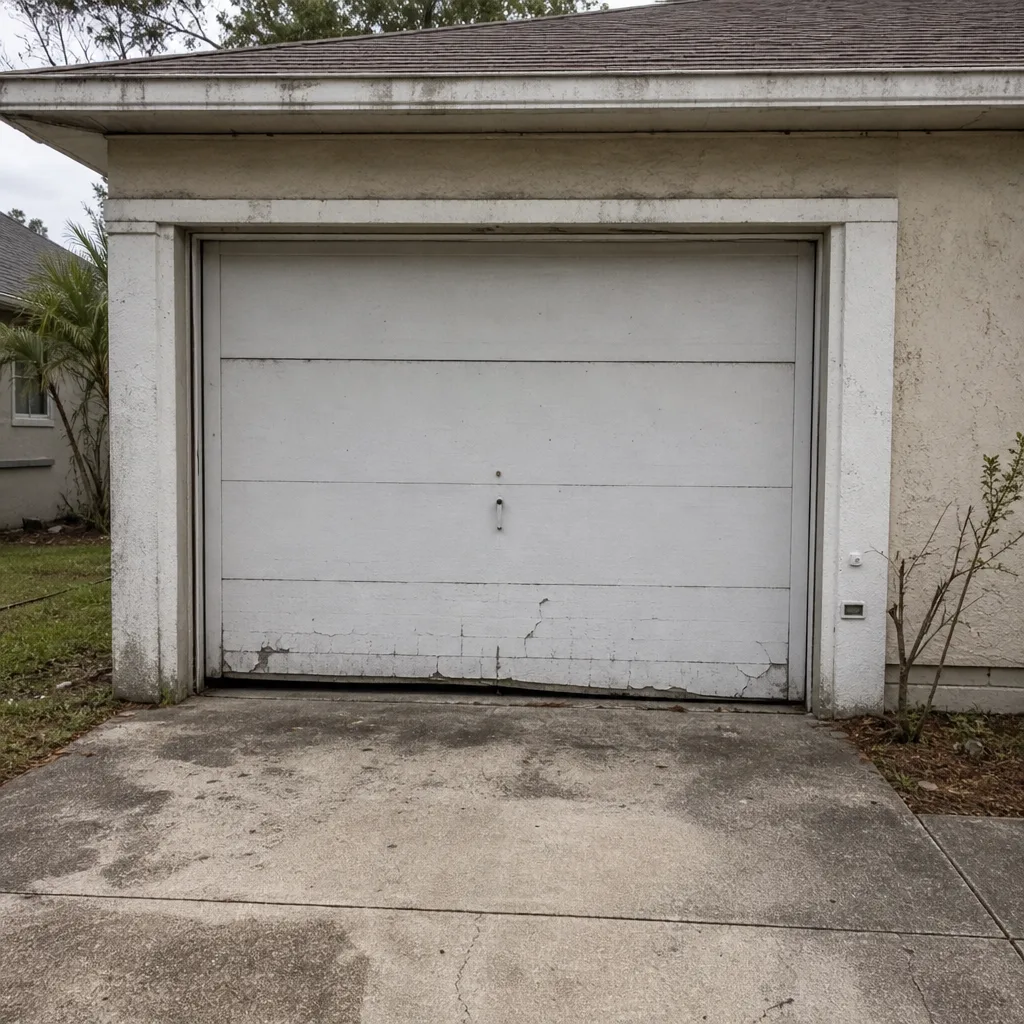 Before
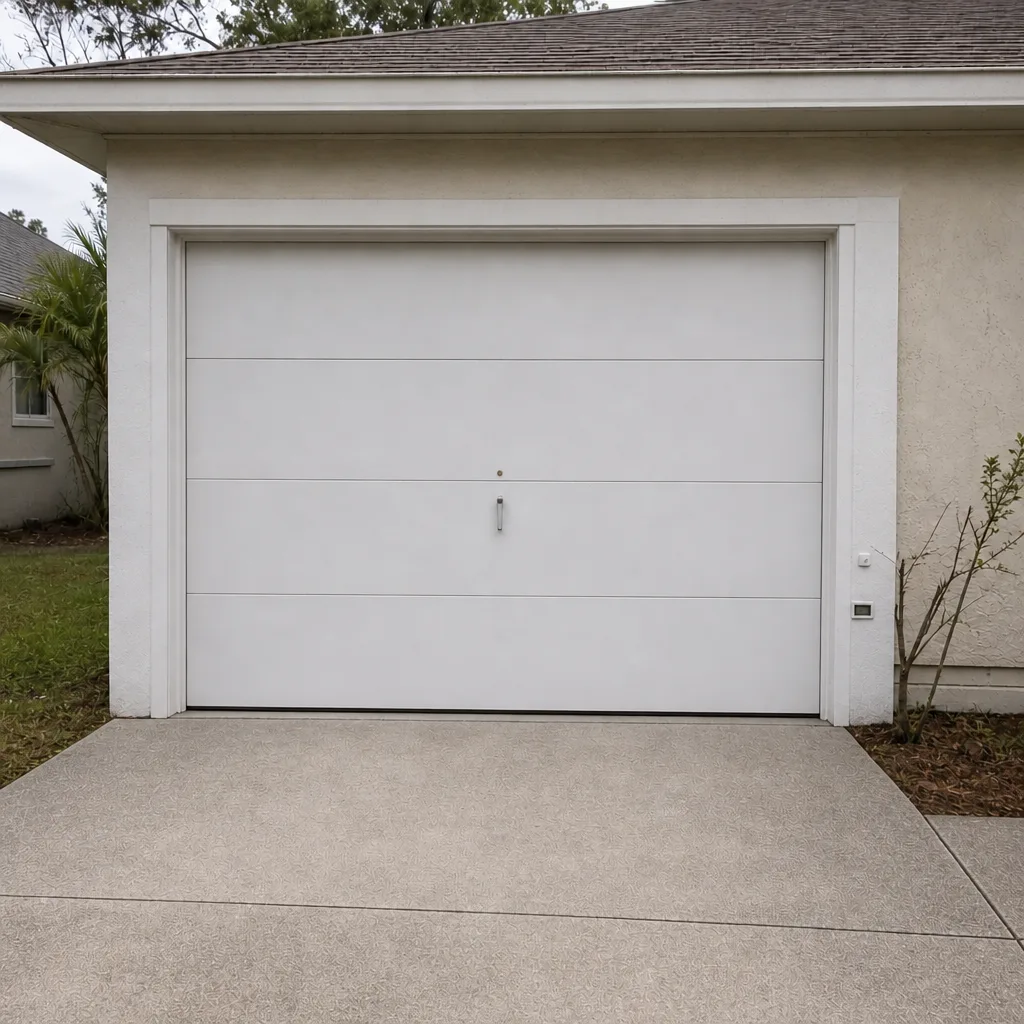 After
When to Call a Professional
Most of the routine on this checklist is safe to do yourself: wiping sensors, watching the door’s movement, checking the bottom seal, testing the manual release. Some problems need a trained technician: a spring that’s visibly worn or broken, a door that’s off its tracks, a door that won’t stay balanced, an opener that reverses unpredictably or won’t respond, or a manual release that won’t re-engage. Those are all signs a repair has moved beyond maintenance. Beyond that, an annual inspection by a professional catches the wear that’s hard to see from the ground and keeps small issues from becoming large ones.
Carrington Garage Door Repair offers free estimates in Spring Hill – call (844) 560-6506. We answer 24/7. Fast dispatch from 7am to 7pm, Sunday through Friday. The price is quoted and agreed before any work starts, so there’s no surprise on the invoice.
Frequently Asked Questions
In Spring Hill’s heat and humidity, run a monthly visual check and balance test, and schedule a professional inspection once a year. Springs, seals, and sensors wear faster here than the national six-month guideline assumes, so the shorter loop catches problems early. Call (844) 560-6506 for an exact quote on an inspection – estimates are free.
Florida’s afternoon thunderstorms and constant insect activity mean sensor lenses fog up and collect webs far more often than in drier climates. Clean both lenses every month during storm season and confirm the indicator lights are steady. If the door keeps reversing after cleaning, call (844) 560-6506 for an exact quote on a sensor diagnosis – estimates are free.
A failing spring shows up as a door that feels heavier, opens slowly, drifts back down after lifting, or sits crooked. If you hear a loud bang from the garage, a spring has likely broken. Stop using the door and call a professional. Call (844) 560-6506 for an exact quote – estimates are free.
Replace the bottom seal whenever it’s cracked, pulling loose, or leaving a gap at the floor, and check it before and after the rainy season each year. A cracked seal lets water and pests into the garage and strains the door’s bottom section. Call (844) 560-6506 for an exact quote on a seal replacement – estimates are free.
Yes. Many opener problems – sensor misalignment, logic board faults, travel limit issues, and drive problems – are repairable. A technician who diagnoses the actual fault can often fix the opener without a full replacement. Call (844) 560-6506 for an exact quote on an opener repair – estimates are free.
Pull the red manual release handle to disconnect the door from the opener and lift it by hand. If the door is too heavy to lift, the springs are likely tired and need attention. If the release won’t re-engage afterward, call (844) 560-6506 for an exact quote – estimates are free.
The Bottom Line
A garage door maintenance routine built for Spring Hill looks different from the national advice. The parts are the same, but heat, humidity, and storm season wear them on a faster clock. Check the door’s balance and sound monthly, clean the photo-eye sensors every month through storm season, inspect the bottom seal before and after the rainy season, watch the rings for corrosion, and test the manual release twice a year. Leave the springs to a professional. Do that, and the door stays quiet and reliable through the summer months when you need it most. When something needs a trained hand, call (844) 560-6506. We answer 24/7. Fast dispatch from 7am to 7pm, Sunday through Friday. Estimates are free, and the price is agreed before any work starts.
Written by the team at Carrington Garage Door Repair.