
Last updated November 16, 2026
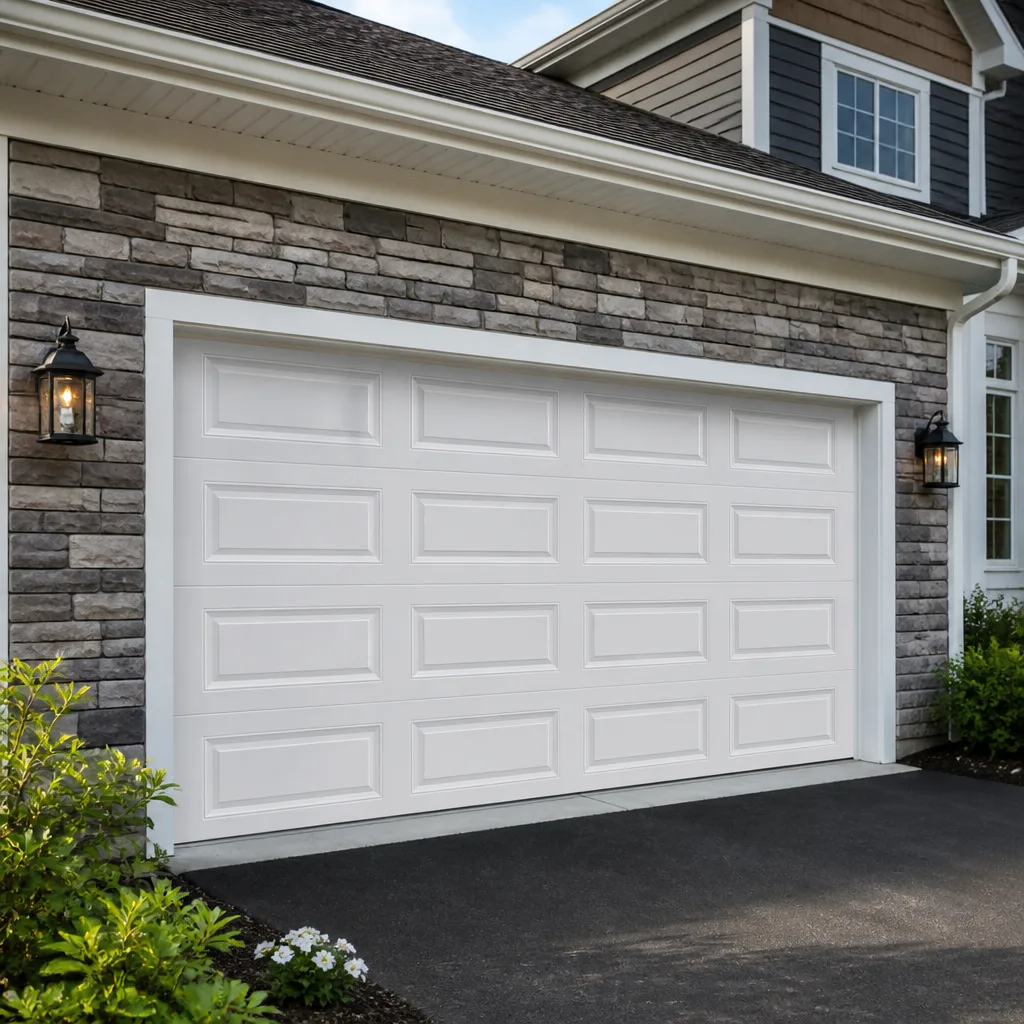 Raised-panel steel
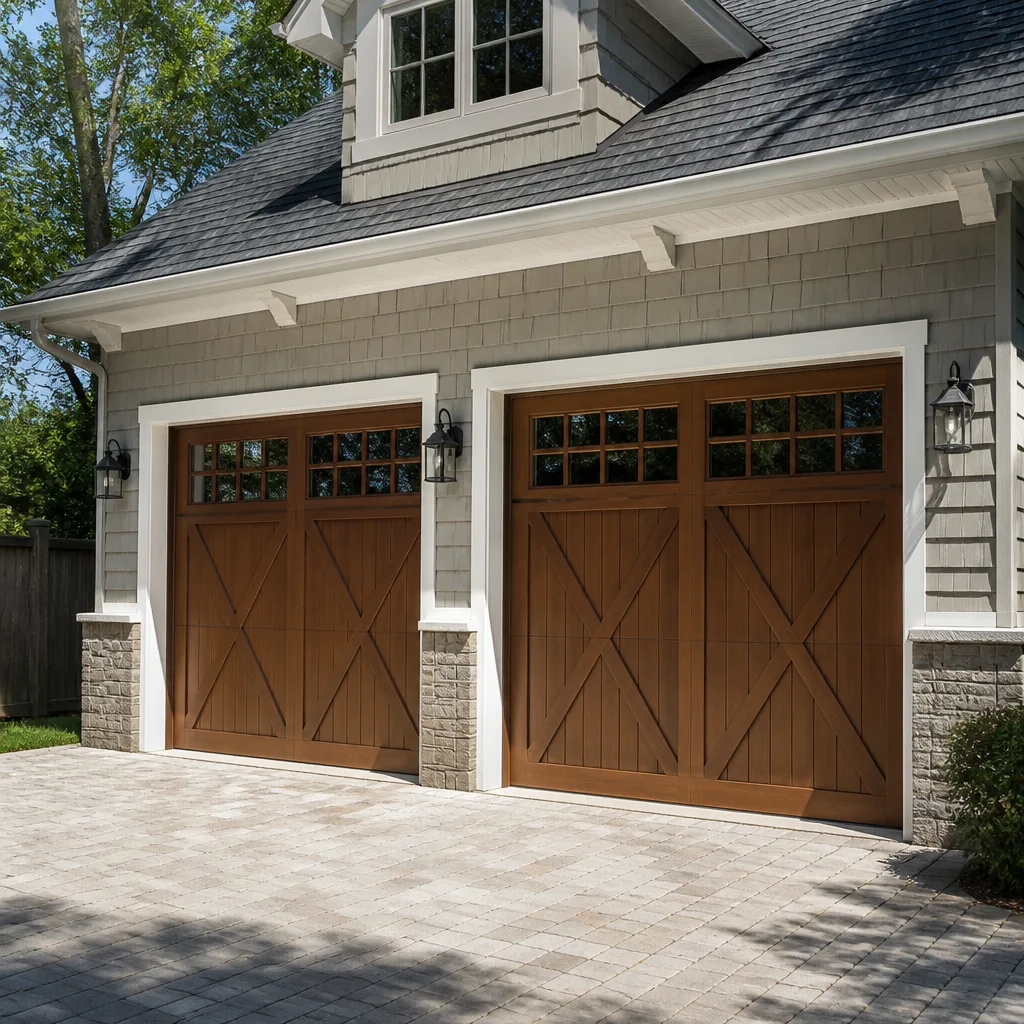 Carriage house
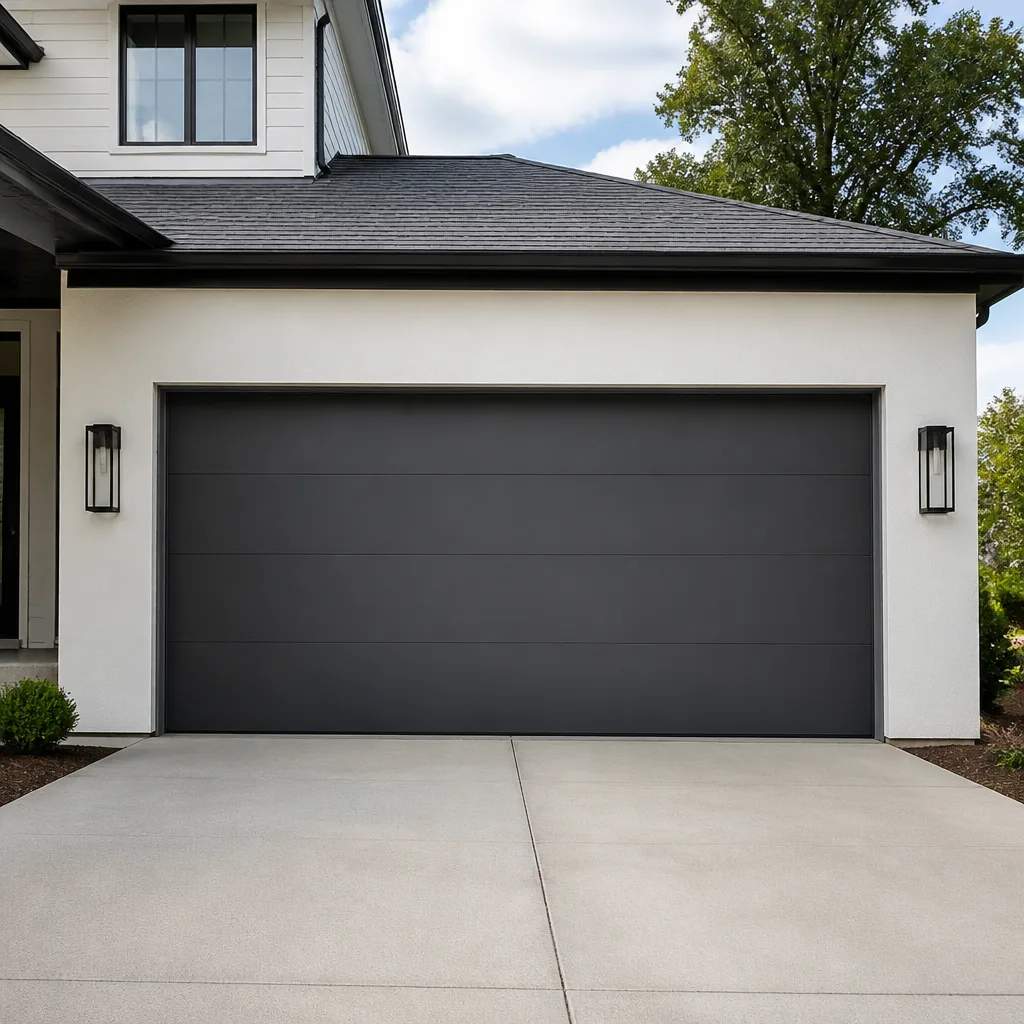 Modern flush
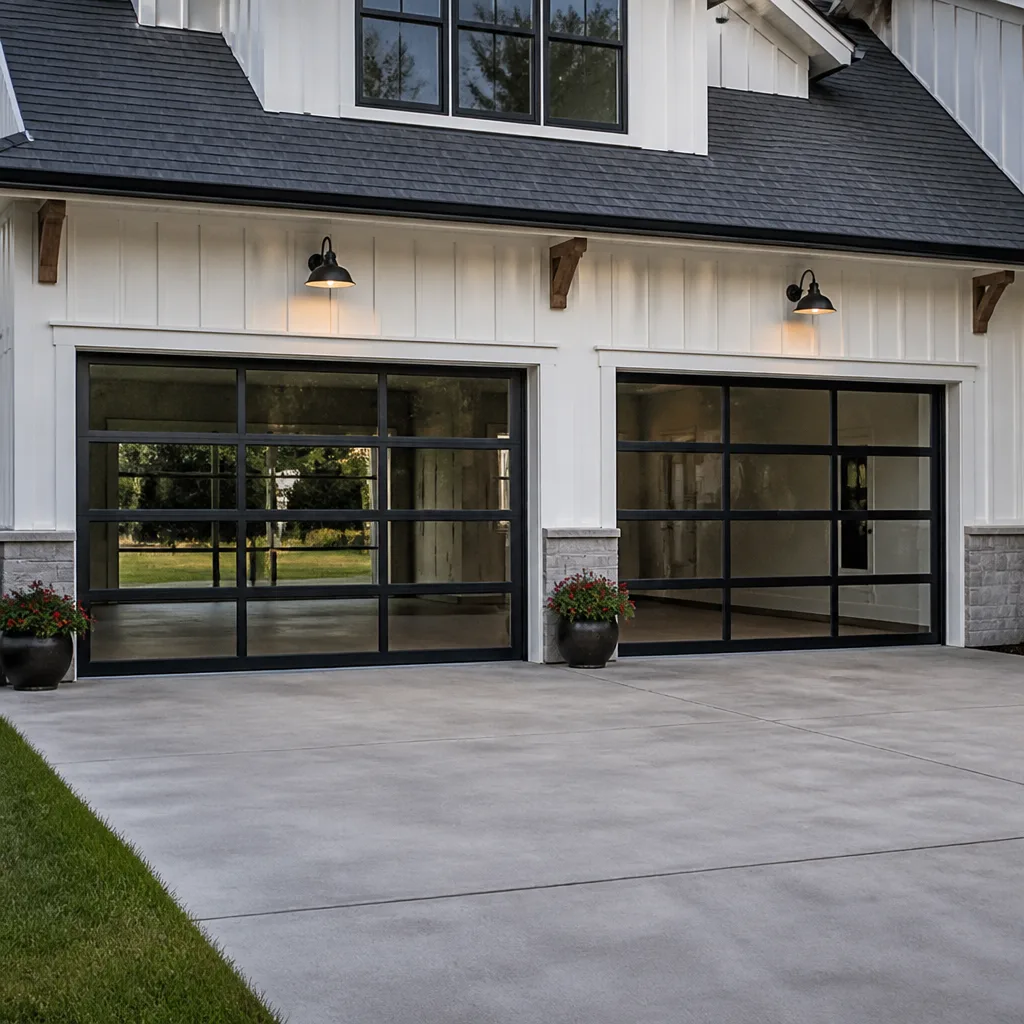 Full-view glass
 LiftMaster openers
 Chamberlain openers
Full 25-point door and opener safety check with every visit - springs, cables, rollers, tracks, and your LiftMaster or Chamberlain opener included
You get a price before we start. It does not change when the pro arrives.
Get your free estimateDIY vs Professional Garage Door: The Spring Hill Homeowner’s Decision Guide
Torsion springs store enough mechanical energy to cause serious injury in a fraction of a second. That’s not a scare tactic, it’s physics, and it’s why this question deserves a sharper answer than “hire a pro for everything.” The honest answer to “can I do this myself?” depends entirely on which task you’re asking about. Swapping a remote battery and replacing a torsion spring are both “garage door repair,” but they sit on opposite ends of a risk line that’s specific and learnable. This guide draws that line task by task, explains why Spring Hill’s heat and humidity change the math on some of these jobs, and shows you how to tell a trustworthy tutorial from a lucky amateur.
Quick Answer
Most garage door tasks split cleanly into two groups. Sensor alignment, remote programming, lubrication, and minor cosmetic dents are safe for a careful homeowner. Spring replacement, cable work, and track straightening are not, because those components are under extreme tension and a mistake can cause serious injury. For anything involving springs or cables, call a professional. For everything else, a sensible DIY attempt is reasonable, provided you know when to stop.
Styles & brands we work with
- Raised-panel steel
- Carriage house
- Modern flush
- Full-view glass
- LiftMaster openers
- Chamberlain openers
Table of Contents
- Where the DIY Risk Line Actually Falls
- A Task-by-Task Breakdown: DIY or Professional?
- Why Spring Hill’s Heat and Humidity Change the DIY Calculation
- The Real Cost of a DIY Spring Repair Gone Wrong
- How to Tell If a YouTube Tutorial Was Made by a Pro
- What “Brand-Specific” Knowledge Actually Means in Practice
- When a DIY Job Turns Into a Professional Call
- Common Mistakes to Avoid
Where the DIY Risk Line Actually Falls
The garage door is one of the few systems in your home that combines heavy moving parts, stored mechanical energy, and a direct path into your living space. That combination is why the DIY question isn’t really about confidence. It’s about consequence. A homeowner with good tools and patience can absolutely handle a sensor that keeps tripping. The same homeowner, no matter how careful, should not attempt to unwind a torsion spring with a pair of adjustable wrenches.
The dividing line comes down to stored energy. Standard extension and torsion springs hold the full weight of the door under tension at all times. When that tension releases unexpectedly, the parts move fast and with force. Cables under load behave the same way. Everything else on the door, the sensors, the opener housing, the rollers, the weather seal, operates at low or zero stored energy, which is what makes those tasks reasonable to attempt.
In our experience across Spring Hill, the jobs that go wrong for homeowners almost always fall on the tension side of that line. It’s rarely a sensor wire. It’s almost always a spring or a cable that someone decided to “just try.” The good news is the line is easy to remember once you’ve seen it drawn once, and the rest of this guide draws it task by task.
A Task-by-Task Breakdown: DIY or Professional?
Here’s the practical version. Each task below is tagged by risk level and by whether a competent homeowner can realistically handle it.
Safe for a Competent Homeowner
- Safety sensor alignment. If the door reverses on its own or won’t close, the sensors are the first thing to check. Cleaning the lenses and confirming the two units face each other is a five-minute job. No tools needed beyond a soft cloth and a screwdriver to nudge the bracket.
- Remote and keypad programming. Pairing a new remote to a LiftMaster or Chamberlain opener is a button-press sequence in the manual. This is the single most common “my door won’t open” call, and it’s genuinely a homeowner fix.
- Lubrication. A garage door has hinges, rollers, and a torsion bar that benefit from a light application of a proper garage door lubricant two to four times a year. Avoid WD-40 as a substitute; it attracts dust and doesn’t hold up in heat.
- Minor panel dents. Small cosmetic dents on a steel door can sometimes be worked out with a suction puller. This is cosmetic only and carries no safety risk.
- Weather seal replacement. The rubber strip along the bottom of the door wears out and is a straightforward swap on most residential doors.
- Visual inspection. Looking at the springs, cables, and rollers for obvious wear is free and smart. You’re not fixing anything, just identifying what needs attention.
Not Safe for a Homeowner
- Torsion spring replacement. The spring above the door holds the full door weight. Replacing it requires specific winding bars, a precise understanding of the number of turns, and the ability to control a loaded spring. A slip here is a medical emergency, not a broken door.
- Extension spring replacement. Same principle, different geometry. Extension springs along the horizontal tracks store the same energy and can fail violently if handled incorrectly.
- Cable replacement. Cables are under tension and can snap back at high speed. They also have to be tensioned correctly or the door will bind and damage the tracks.
- Track straightening or replacement. A bent track throws the whole door out of alignment. The adjustment is a precise measurement job, and a poorly aligned door is a repeated-failure door.
- Opener drive gear and logic board work. Replacing a logic board or a drive gear on a Genie or LiftMaster opener involves the opener’s internals and electrical connections. This is where a diagnostic repair is a better call than a swap.
If you’re in Spring Hill and you’re not sure which category your problem falls into, the safest move is to describe it over the phone. We can usually tell within a minute whether it’s something you can handle or something that needs a technician on site.
Why Spring Hill’s Heat and Humidity Change the DIY Calculation
Spring Hill’s climate deserves its own conversation because it changes how long a garage door fix actually lasts. The same repair that holds for years in a dry climate can wear faster here, and that matters for your decision.
Heat and humidity do three things to a garage door:
- Accelerated spring fatigue. Springs cycle through expansion and contraction more aggressively in high heat. A spring rated for a certain number of cycles will typically reach that number faster in Florida’s climate than in a cooler region. This means spring replacement here is a routine maintenance item, not a once-in-a-lifetime event.
- Faster corrosion on hardware. Humidity works on hinges, rollers, and the bottom bracket. Left unlubricated, these components drag, which puts additional load on the opener and the springs. A door that runs smoothly in a dry climate can start to bind in a humid one if the hardware is neglected.
- Seal and panel wear. The rubber bottom seal and the weather stripping along the sides degrade faster in humidity. A worn seal lets in moisture and pests, and it also increases the drag on the door mechanism.
What this means for your decision is straightforward. Lubrication matters more here than a generic tutorial implies, and it’s the one DIY task we’d urge you to stick to a schedule on. Springs and hardware age faster here, so a “DIY repair” that just resets a tired spring to keep it going a few more months often costs more than replacing it once. When the same component keeps failing across multiple seasons, the fix is replacement, and that’s a professional job.
Spring Hill homeowners who take care of the low-risk maintenance side tend to get more years out of the higher-risk parts. That’s true almost anywhere, but the humidity makes it more true here.
The Real Cost of a DIY Spring Repair Gone Wrong
This section isn’t here to frighten you. It’s here to put the DIY-vs-pro decision on an honest cost basis, because the comparison most homeowners never run is the “what if it goes badly” side of the equation.
When a homeowner attempts a spring replacement and something goes wrong, the failure modes are predictable:
- Injury. Cuts, hand injuries, and worse. The spring is a loaded part, and there’s no version of the failure that’s minor if it catches you.
- Doors that come down off the tracks. A door that loses its spring tension while the opener is engaged can come down unevenly and bind the tracks. That turns a spring job into a spring-plus-tracks job.
- Damaged opener. If the spring isn’t carrying its share of the door weight, the opener is doing all the lifting. It can burn out the drive gear or overheat the motor, and now you’re replacing an opener that was fine before.
- Bent panels. A door that lifts unevenly can bind and bend a panel, which on a Clopay or Raynor door is not a small line item.
Against that, the professional version of the job is simple. We quote the spring job, you agree to the number, and the work starts after the quote is agreed. There’s no surprise invoice, no “we found more once we were in there” without a conversation first. For pricing on the specific job, see our page on garage door repair. That structure exists precisely because the failure modes above are the ones that turn a small repair into a large one, and it’s why the professional cost is often closer to the DIY cost than homeowners expect once the downside is factored in.
How to Tell If a YouTube Tutorial Was Made by a Pro
There’s a lot of garage door content on YouTube, and some of it is excellent. A tutorial filmed by a working technician shows you exactly what to do and, just as importantly, tells you when not to try it. A tutorial filmed by someone who got lucky once looks similar until you know what to watch for.
Here are the specific red flags in garage door DIY video content:
- No warning about tension. A real technician will stop and explain that springs and cables are under load and dangerous. A video that treats spring work like changing a lightbulb is one to close immediately.
- Improvised tools. Winding a torsion spring with screwdrivers, pliers, or a homemade bar is a serious red flag. A proper winding bar is a specific tool with a specific fit, and anyone doing the job safely will show you one.
- No mention of the door’s weight or model. Spring sizing depends on the door weight and height. A tutorial that says “just use the same spring that came off” without addressing door weight is skipping the single most important measurement.
- No advice to check the balance of the door. A correctly tensioned door should hold its position when lifted halfway. A tutorial that skips the balance check is skipping the quality control step.
- Comments full of “worked for me” with no follow-up. Lucky success isn’t proof of a safe method. If the comments are all one-off success stories and no technician is answering questions, tread carefully.
- No safety gear. No eye protection, no gloves, no mention of clearing the area. A working tech doing a real repair will show you the setup, not just the fix.
One useful test: a good tutorial tells you what NOT to do far more than it tells you what to do. If the video makes the job look simple and consequence-free, that’s the tell. Real technicians spend a lot of time explaining why a job is dangerous, because they’ve seen what happens when it isn’t.
What “Brand-Specific” Knowledge Actually Means in Practice
Garage doors are not all built the same, and “brand-specific” isn’t a marketing phrase. It’s a real distinction that affects how a job is diagnosed and adjusted.
A Clopay door and a Wayne Dalton door can look similar from the driveway and still have completely different torque profiles, track geometry, and spring configurations. What that changes in practice:
- Spring sizing and tensioning. The right spring for a 7-foot Clopay door and the right spring for a 7-foot Wayne Dalton door may differ in wire gauge and number of turns. Getting the size wrong is what causes doors to be too heavy or too light, and it’s the most common reason a spring replacement fails early.
- Track adjustment. Track brackets and vertical track adjustment differ between manufacturers. An adjustment that works on one door can bind a panel on another.
- Opener compatibility. The way a LiftMaster or Chamberlain opener reports to the door safety system, and how the drive gear and rail mate, differs by model. A LiftMaster-compatible part doesn’t necessarily fit a Genie opener, and vice versa.
- Panel replacement. Ordering a replacement panel for a Raynor or Amarr door means matching the model number, not just the color and size. A panel that’s close but not right shows in the finish and the fit.
What brand-agnostic means for you is that you don’t need to hunt for a Clopay specialist one week and a LiftMaster specialist the next. Carrington Garage Door Repair works on LiftMaster, Chamberlain, Genie, Clopay, Amarr, Wayne Dalton, Craftsman, and Raynor equipment, which covers the vast majority of doors and openers in Spring Hill homes. The diagnostic approach is to look at what’s actually failing, not to steer you toward a brand the company prefers. That’s a meaningful distinction when the “problem brand” turns out to be a correctly installed door with a worn part, not a manufacturing flaw.
For opener-specific diagnostics, this matters most. The garage door opener repair conversation is where brand knowledge pays off, because a Genie opener that reverses mid-cycle and a Chamberlain opener that reverses mid-cycle don’t always share a root cause. Diagnosing first, rather than defaulting to replacement, is often the difference between a repair and a new opener.
When a DIY Job Turns Into a Professional Call
Some jobs start as a DIY attempt and should end as a professional one. Here are the specific points at which you should stop and call.
- You’ve adjusted the sensors twice and the door still reverses. Two attempts is the limit. If the alignment fix hasn’t worked, the problem is somewhere else, likely the opener logic board or the travel limits.
- The door lifts unevenly or binds partway up. A door that binds is a door that’s out of balance, and the cause is almost always a spring or cable, both of which are professional territory.
- You hear a loud bang from the garage and the door won’t lift. This is the classic broken-spring signature. Stop using the opener and call. Running the opener with a broken spring damages the motor and can drop the door.
- You see a visible kink or gap in a cable. A frayed or kinked cable is about to fail. Get it looked at before it does.
- The track is bent, dented, or the door is off the rollers. Track geometry work is a measurement job. Bending it back by eye often makes it worse.
- Your opener is making new noises. A grinding or straining opener is often a repairable drive-gear or bearing issue. That’s a repair conversation, not a replacement conversation, and it’s worth having with someone who diagnoses before recommending.
For any of these, the practical move is the same: call (844) 560-6506. We answer 24/7. Fast dispatch from 7am to 7pm, Sunday through Friday, and same-day service is often available for the repair jobs above.
Common Mistakes to Avoid
- Using the opener to test a door with a broken spring. This is the single most expensive DIY mistake in the trade. The opener is trying to lift the full door weight on its own, and the motor or drive gear is what pays for it.
- Skipping the balance test after any spring work. A door should hold its position when lifted halfway. If it drops or lifts on its own, the spring is wrong for the door, and it’s a matter of time before something fails.
- Lubricating with the wrong product. WD-40 and general-purpose oils attract dust and don’t hold up in Florida humidity. A dedicated garage door lithium or silicone lubricant is what the hardware is designed for.
- Assuming a YouTube tutorial matches your door. Spring sizing, track geometry, and opener compatibility vary by brand and model, and a tutorial filmed on a Clopay door may not translate to a Wayne Dalton door in your Spring Hill garage.
- Bending a track back by eye. Track alignment is a measurement job. A track that looks straight can still be off enough to bind the door and wear the rollers.
- Continuing to use a door that’s jumped the track. A door off its tracks can come down unpredictably. Stop using it and get it looked at.
- Treating humidity as a non-issue. In Spring Hill, the springs, hinges, and seals all age faster than a generic tutorial assumes. Regular lubrication and visual inspection are the cheapest maintenance you can do here.
See the difference
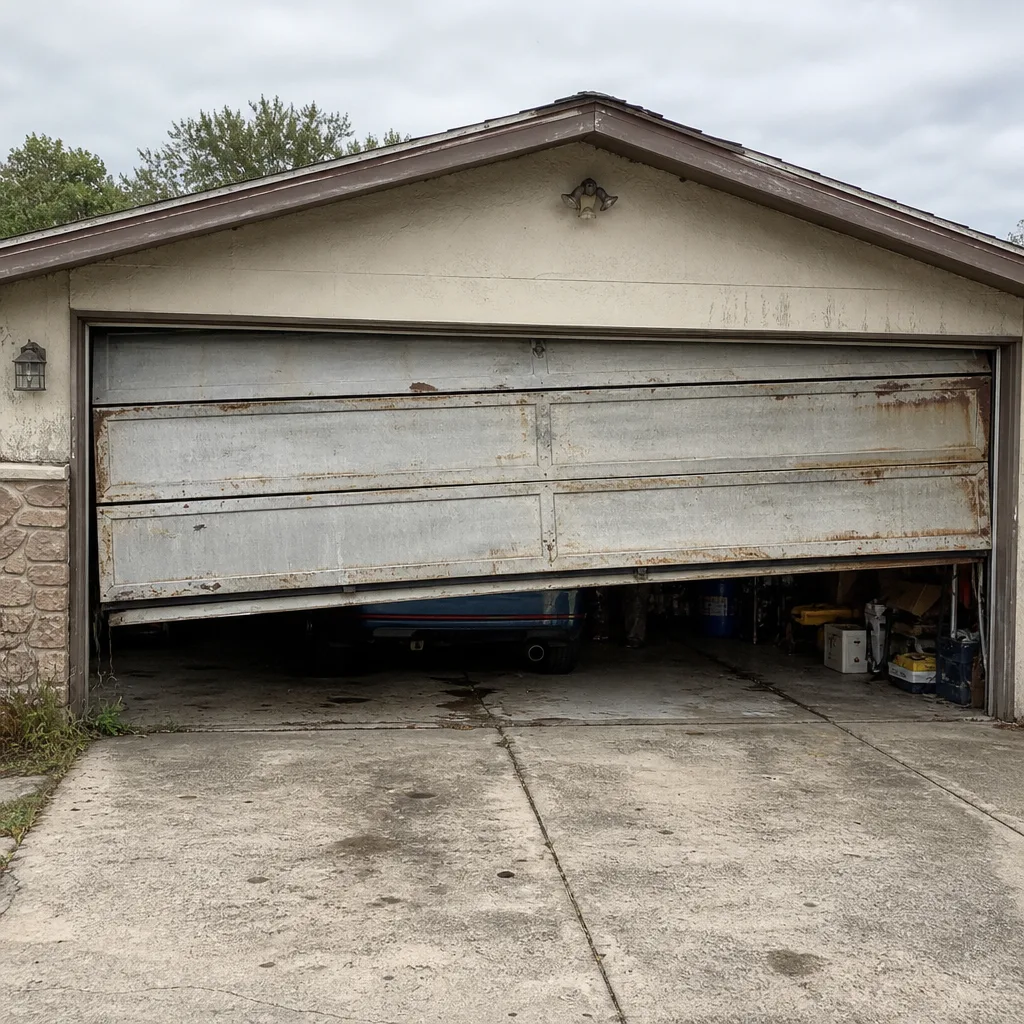 Before
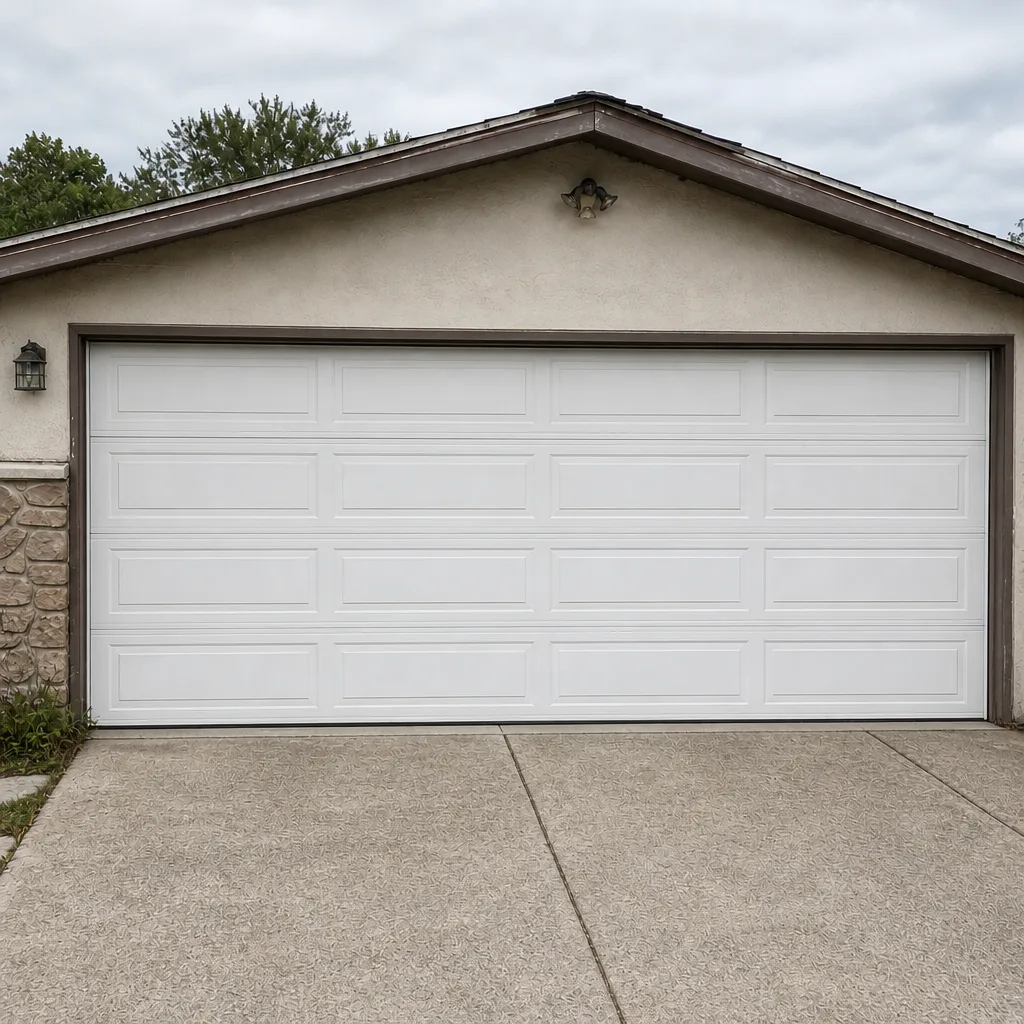 After
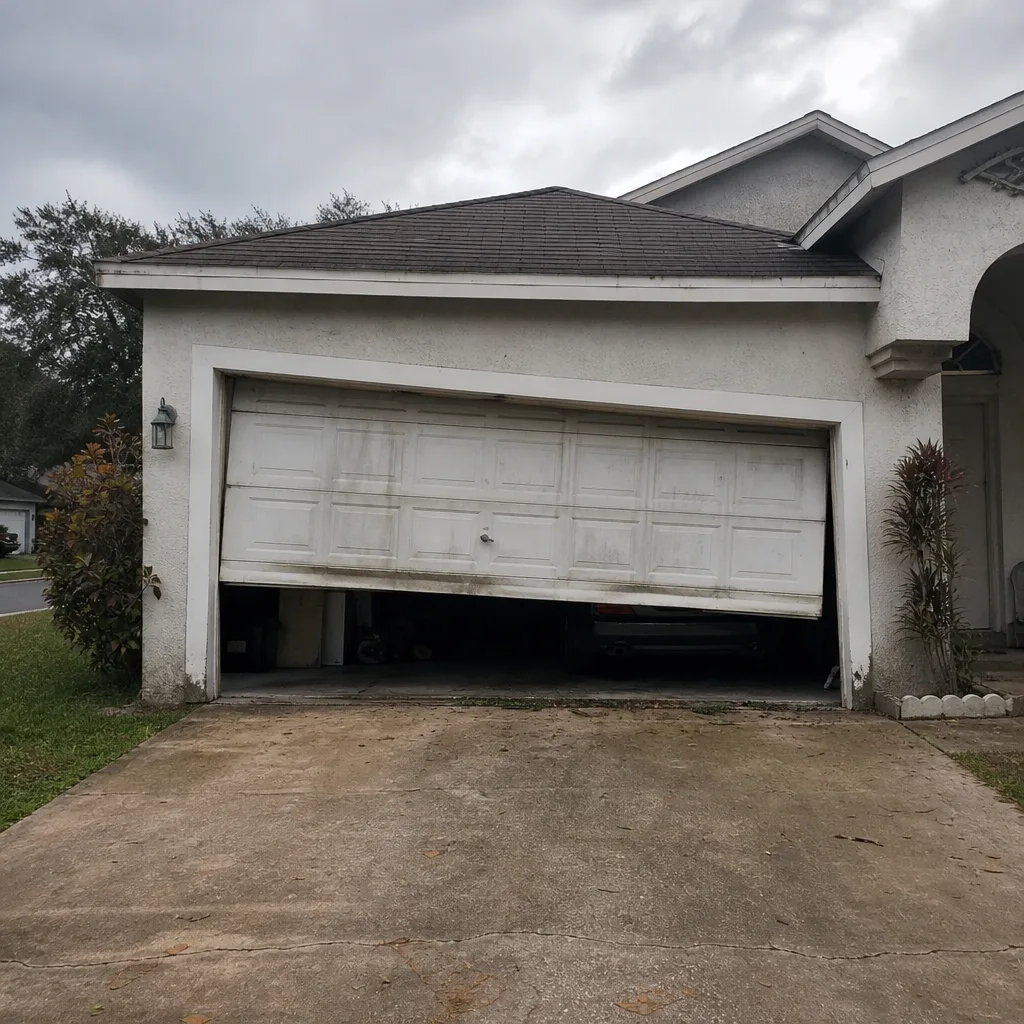 Before
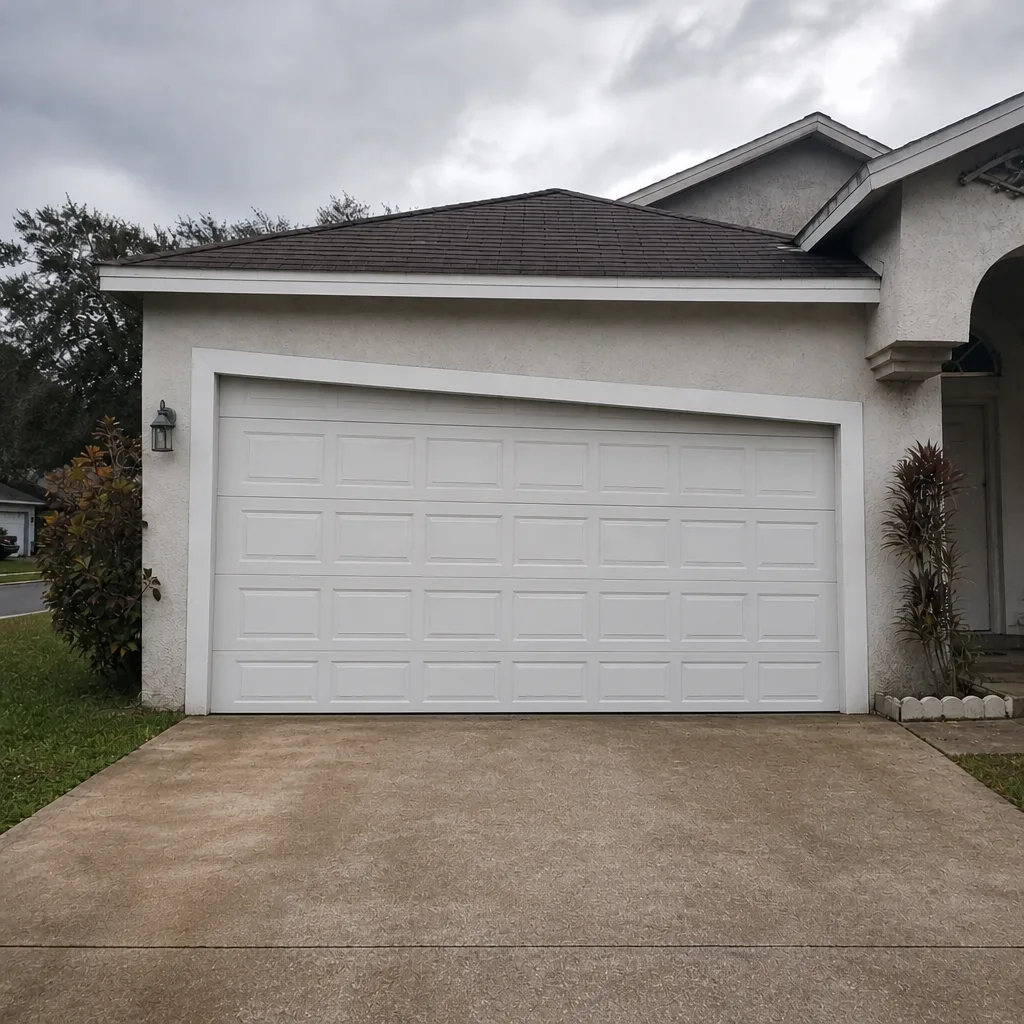 After
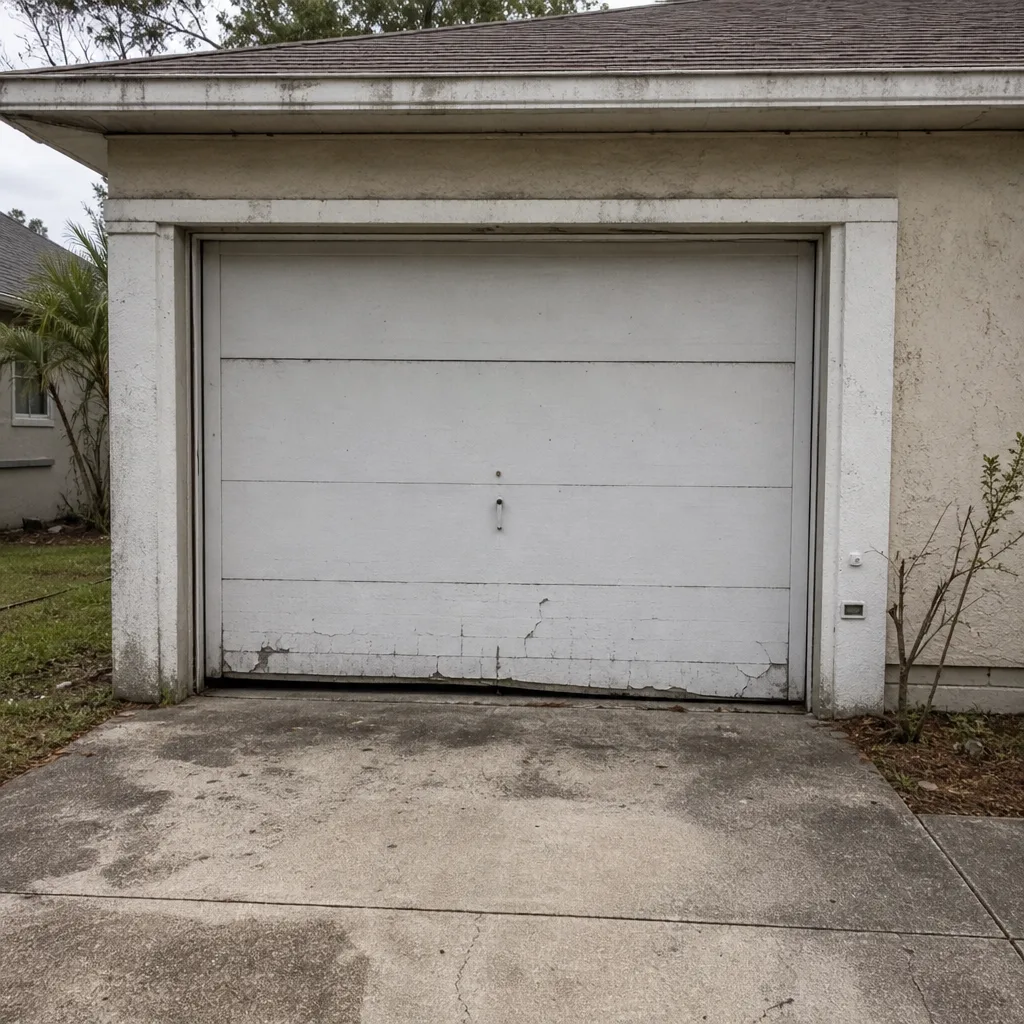 Before
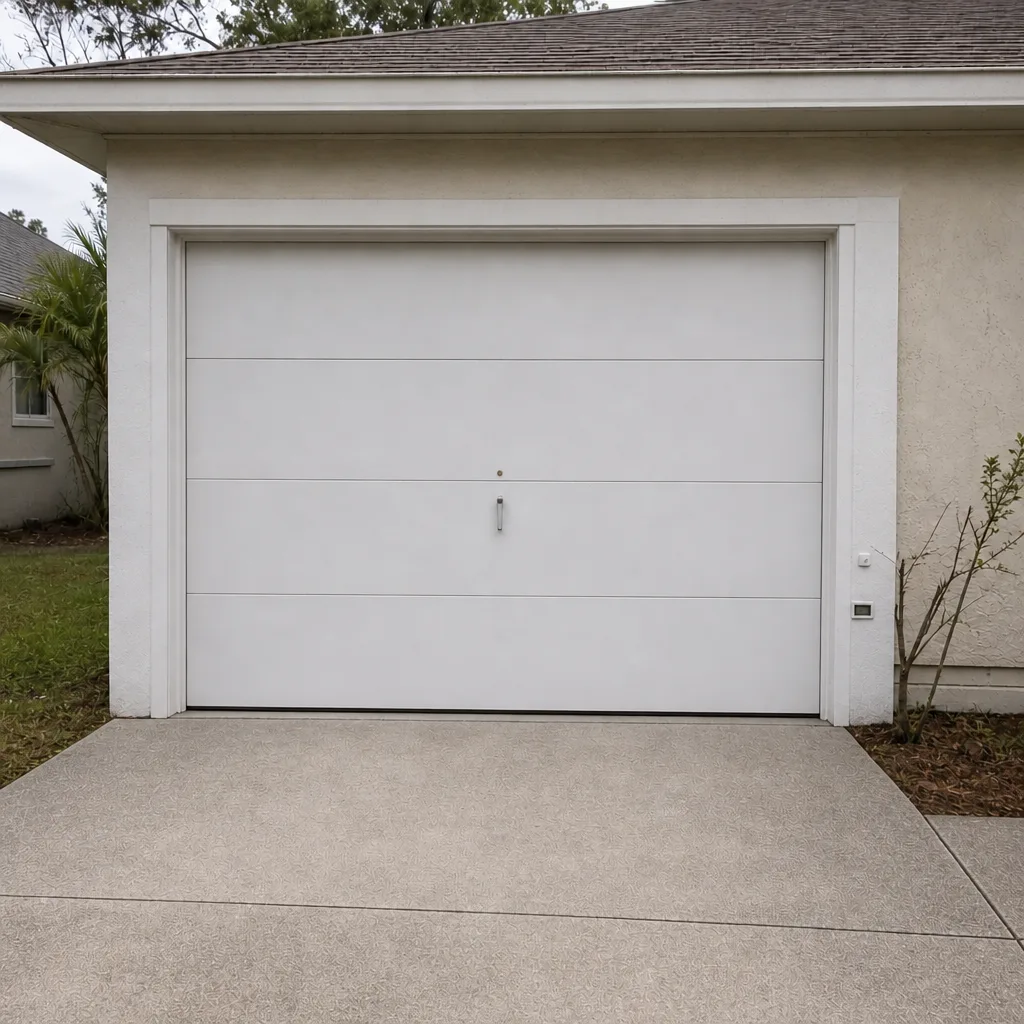 After
When to Call a Professional
The short rule: if the job involves a spring, a cable, a track, or the inside of an opener, call a professional. If the door has come down, is binding, or the opener is straining, call. Those are the jobs where the risk is real and the equipment is specific, and where a technician with the right tools does the job in a fraction of the time a homeowner would take to guess their way through it. Our technicians have up to 13 years of experience, and they’ve seen these failure modes in Spring Hill homes many times over. For the full scope of what we handle, see Carrington Garage Door Repair.
Carrington Garage Door Repair offers free estimates in Spring Hill. Call (844) 560-6506. We answer 24/7. Fast dispatch from 7am to 7pm, Sunday through Friday. The price is quoted and agreed before any work starts, so you know the number before the job begins.
Frequently Asked Questions
No, and it’s the one DIY task we’d urge you to skip entirely. Torsion and extension springs hold the full weight of the door under tension, and releasing that tension incorrectly can cause serious injury in a fraction of a second. This is a professional job in any climate, and Florida’s heat makes the springs work harder.
Yes. Heat and humidity accelerate spring fatigue and speed up corrosion on the hardware that supports them. A spring that would last for years in a dry, cool climate can cycle to failure faster here. Regular lubrication slows the hardware side of that equation, but it doesn’t stop spring fatigue.
It depends on the job. Sensor and remote issues are typically the smallest line item, opener repairs fall in the middle, and spring or cable replacement is the largest. We don’t quote over the phone without knowing the job, but the estimate is free and the price is set in writing before any work starts. Call (844) 560-6506 for an exact quote, and estimates are free.
Often, yes, for repair calls. We answer 24/7, with fast dispatch from 7am to 7pm, Sunday through Friday, and same-day service is frequently available. A call outside dispatch hours is booked into the next opening. If your opener is straining or grinding, calling sooner rather than later usually saves you the cost of a full replacement.
Yes, always. Every job is quoted and agreed before any work begins, so there’s no surprise invoice afterward. If the diagnosis turns up something extra, we’ll talk to you before we touch it. That’s the same policy for a sensor fix and for a spring replacement.
Yes. We don’t share policy or license numbers over the phone or online, but the technicians who arrive at your home are licensed and insured. Our team has up to 13 years of experience, and we work on LiftMaster, Chamberlain, Genie, Clopay, Amarr, Wayne Dalton, Craftsman, and Raynor equipment.
The Bottom Line
The DIY-vs-professional question for garage doors isn’t a debate about self-reliance. It’s a risk-stratification question with a clear answer once you draw the line. Sensors, remotes, lubrication, and weather seals are genuinely fine to handle yourself. Springs, cables, tracks, and opener internals are not, and the reason is stored energy, not complexity. In Spring Hill, humidity makes the low-risk maintenance tasks matter more and makes the high-risk components age faster. If you’re unsure which side of the line your problem sits on, call us and describe it. We’ll tell you honestly whether it’s a homeowner task or a technician job. Call (844) 560-6506 for a free estimate, and see our Spring Hill service page for the full picture of what we handle. We answer 24/7. Fast dispatch from 7am to 7pm, Sunday through Friday.
Written by the team at Carrington Garage Door Repair.