
Last updated November 16, 2026
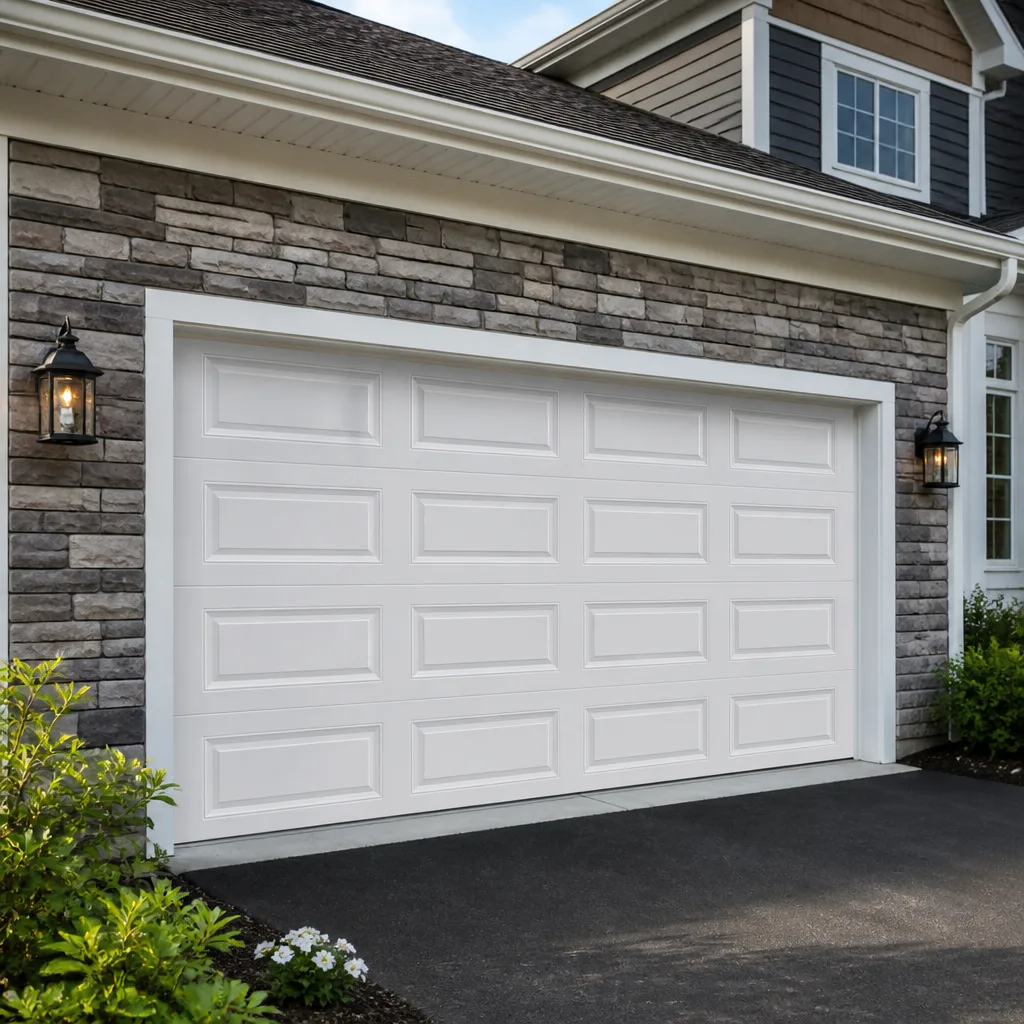 Raised-panel steel
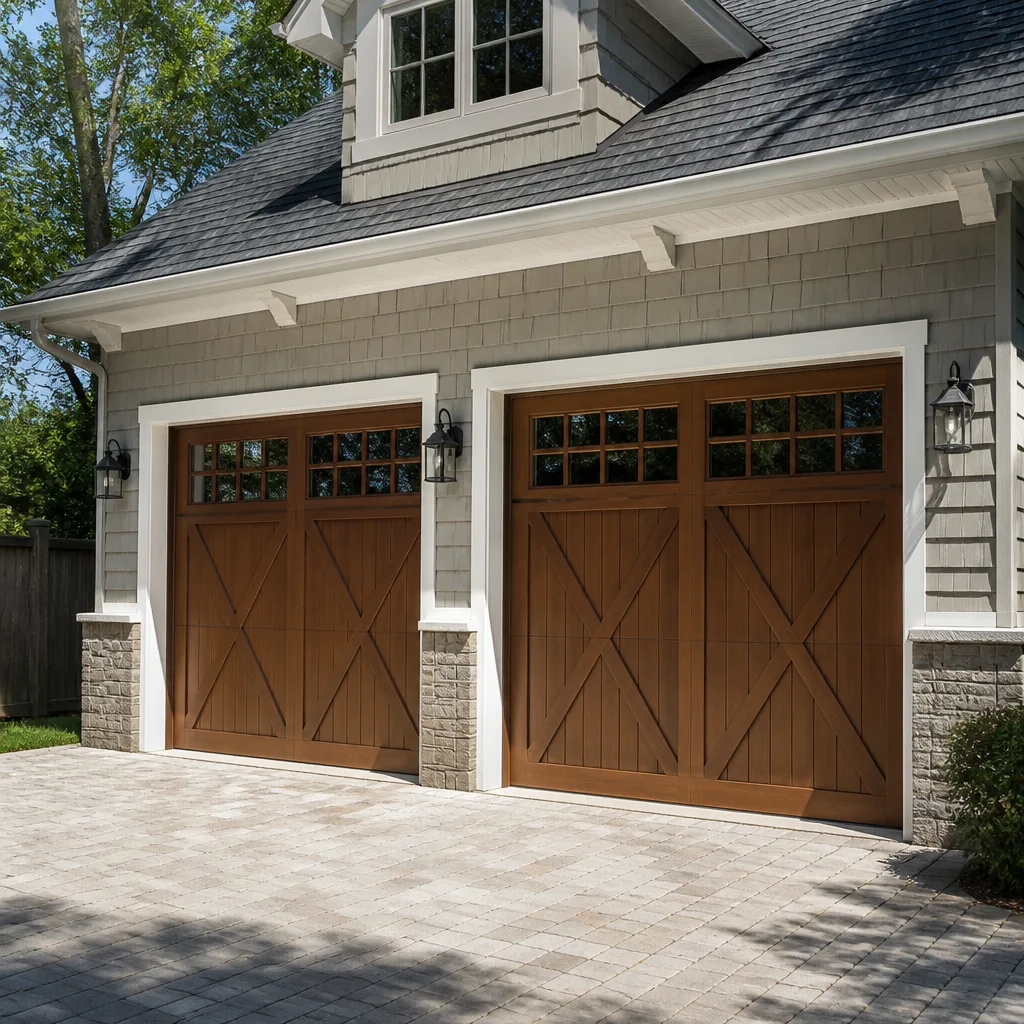 Carriage house
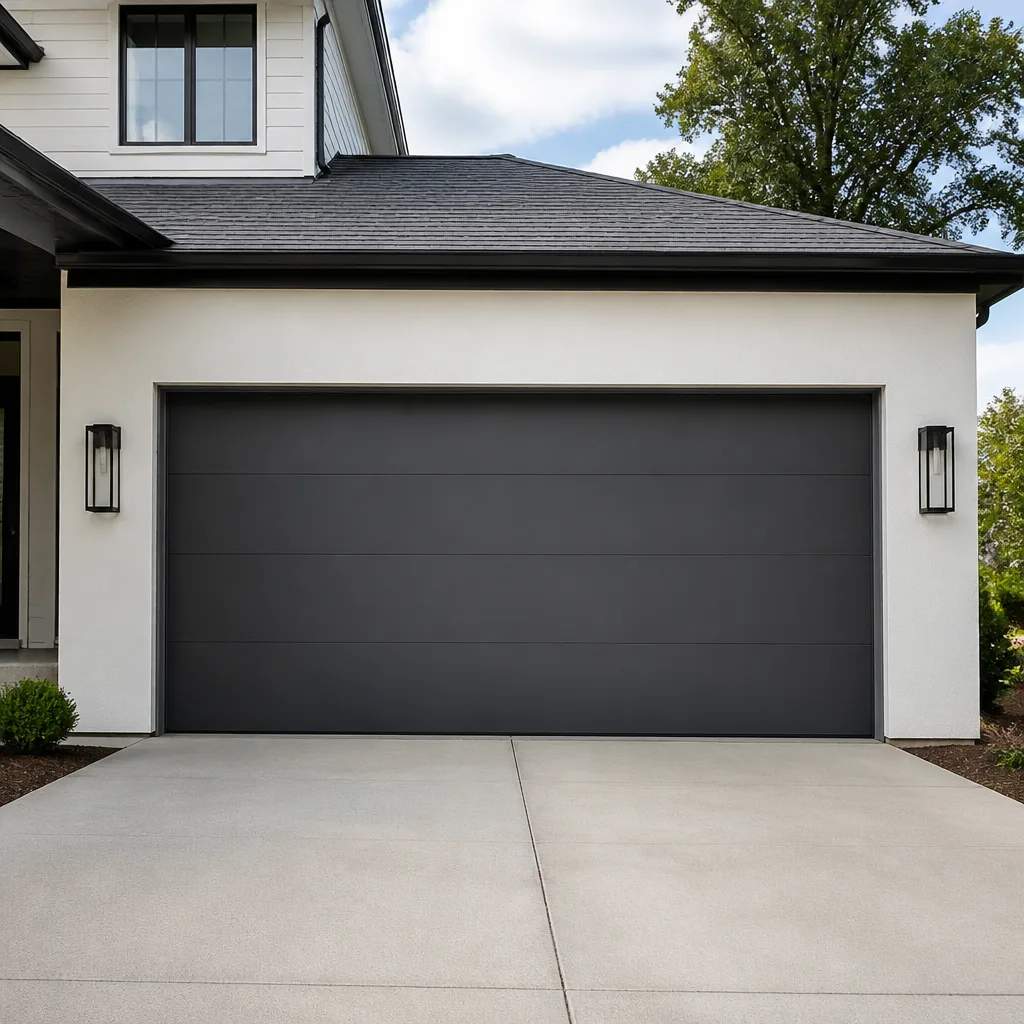 Modern flush
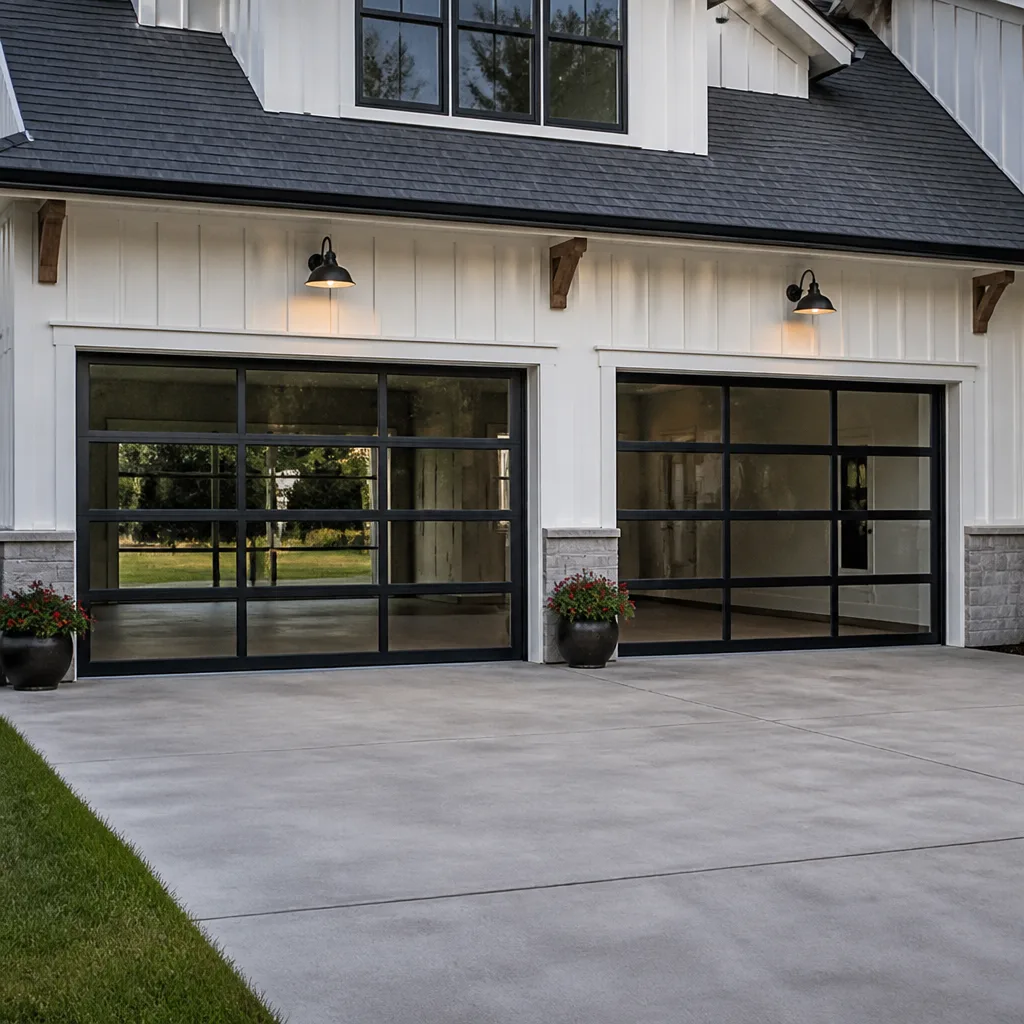 Full-view glass
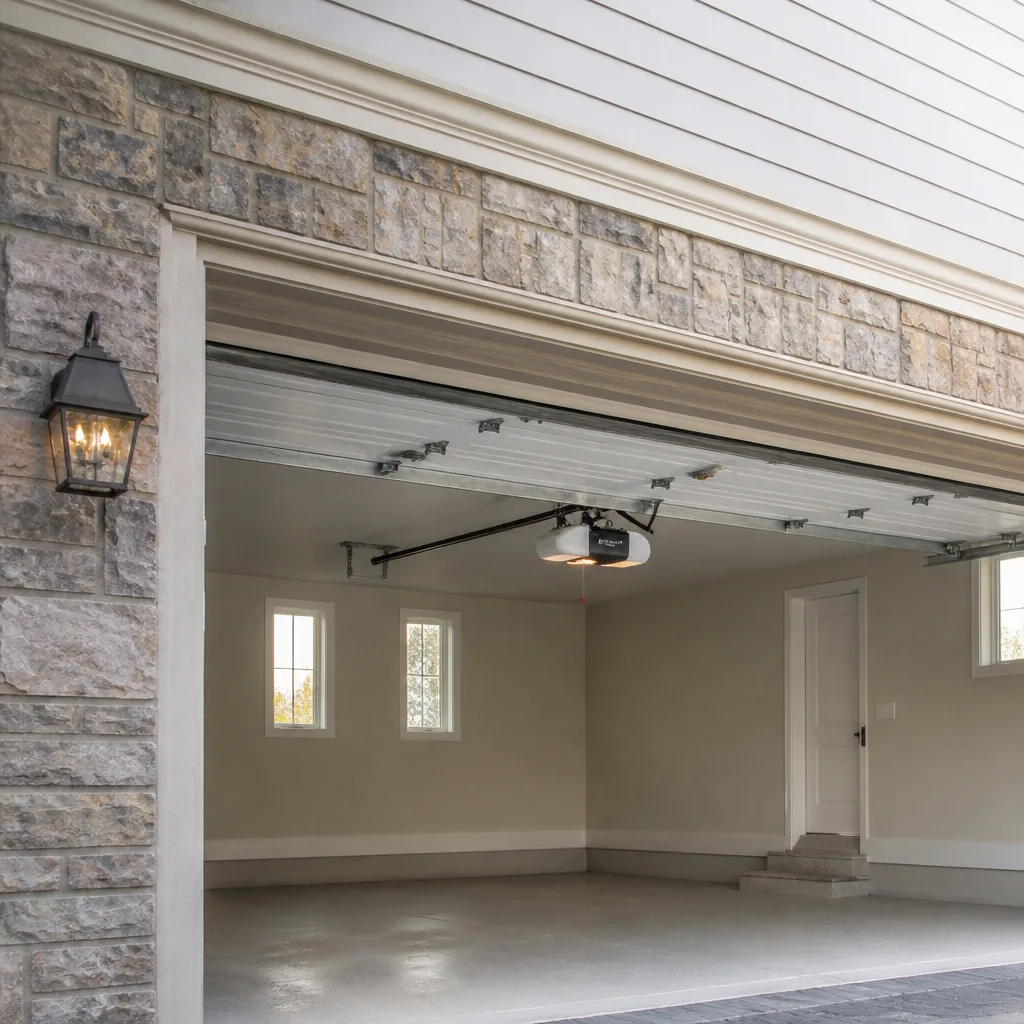 LiftMaster openers
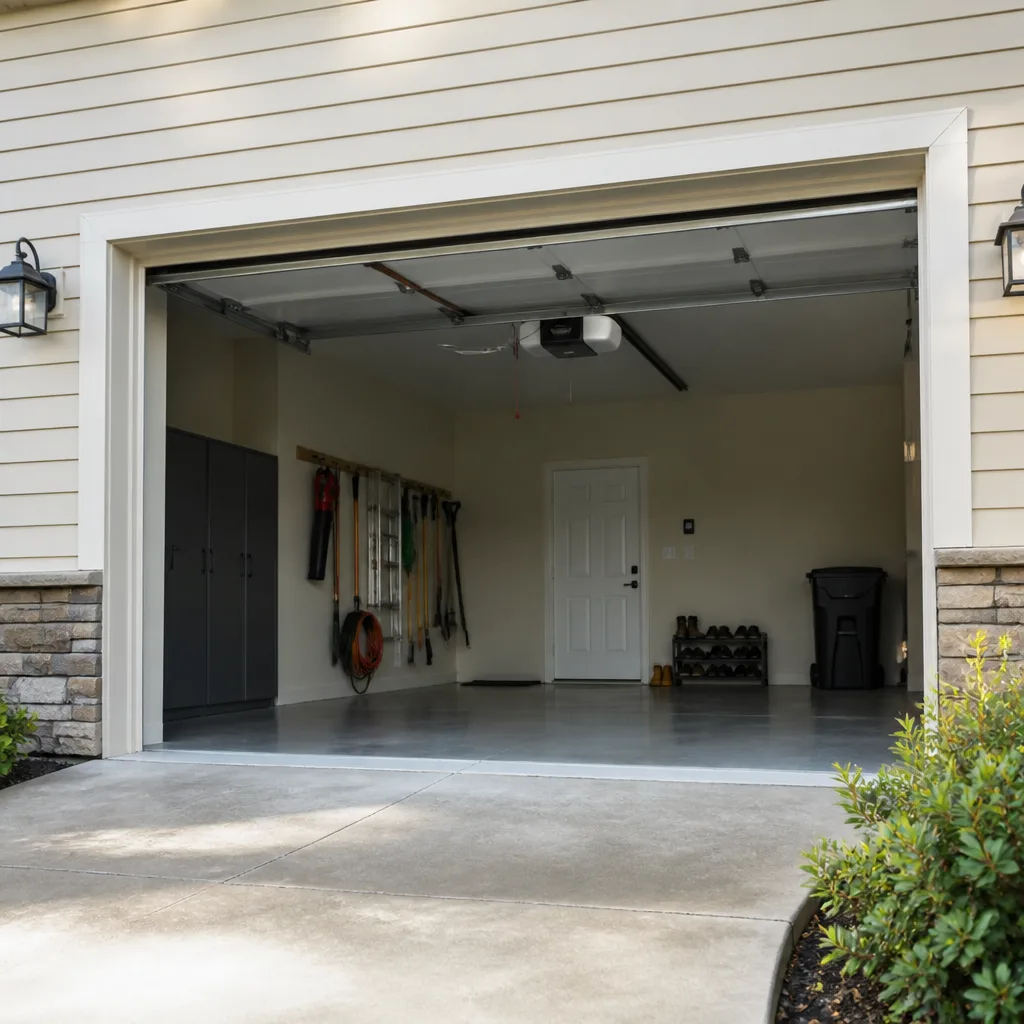 Chamberlain openers
Full 25-point door and opener safety check with every visit - springs, cables, rollers, tracks, and your LiftMaster or Chamberlain opener included
You get a price before we start. It does not change when the pro arrives.
Get your free estimateThe Complete Guide to Garage Doors in Spring Hill
Most garage door guides are written for a mythical average American home. Spring Hill isn’t that home. The heat here pushes past 90 degrees for months, the summer humidity runs heavy enough to soak the paper on a drywall ceiling, and a large share of the houses sit inside deed-restricted communities where the architectural review board has opinions about the color of your hinges. Those conditions change which doors hold up, which openers fail first, and which replacement you’ll actually be allowed to install.
This guide treats Spring Hill as the specific place it is. You’ll learn how the local climate shortens or extends the life of steel, fiberglass, and composite doors; what HOA compliance really requires in practice; which opener drive types survive an unconditioned Florida garage; how builder-grade doors age differently from modern replacements; and the permit triggers in Hernando County that catch homeowners off guard. Carrington Garage Door Repair handles the full scope of this work in Spring Hill, so this is written from what we see on a regular basis, not from a national template.
Quick Answer
A garage door in Spring Hill should last 15 to 20 years for steel, longer for fiberglass and composite when maintained, and the right choice depends less on brand than on humidity resistance, HOA approval, and matching the door to the opener and hardware that support it. Repair is almost always the first option worth pricing; replacement makes sense when panels are structurally compromised, springs are failing repeatedly, or the door no longer meets the community’s architectural standards. Every quote should be written and agreed before any work begins.
Styles & brands we work with
- Raised-panel steel
- Carriage house
- Modern flush
- Full-view glass
- LiftMaster openers
- Chamberlain openers
Table of Contents
- How Spring Hill’s humidity and heat shape door longevity
- Steel vs. fiberglass vs. composite: what actually lasts here
- Which opener drive types survive a Florida garage
- HOA compliance in Spring Hill’s planned communities
- Builder-grade doors from the growth booms and what replaces them
- Permit triggers in Hernando County homeowners should know
- A yearly maintenance routine that’s worth the effort
- How to decide between repair and replacement
How Spring Hill’s humidity and heat shape door longevity
Gulf Coast humidity is the single biggest factor in how long a garage door lasts in Spring Hill, and it’s the one national guides ignore. The interior of an unconditioned garage here stays humid most of the year. Every unpainted steel edge, every scratch that exposes bare metal, and every seam treated with a thin factory finish becomes a place where moisture sits and rust begins. A door that would last twenty years in a dry climate often shows the first rust spots at year eight or ten here, especially along the bottom section.
Heat works on a different timeline. A garage with a west-facing door collects afternoon sun and the surface temperature of a dark-colored steel panel climbs well above the ambient air temperature. That drives thermal expansion, which stresses the torsion spring, the hinges, and the panel joints. Doors that face the sun tend to need spring service sooner and show hinge wear earlier than the shaded door next door.
What this looks like in practice:
- Rust appears first at the bottom section, where rain splash and lawn watering hit the panel and where the factory coating is thinnest.
- Paint failure accelerates on the sun-facing side. Faded, chalky paint is a Florida problem more than a northern one.
- Hinge and roller wear climbs because of the expansion and contraction cycle plus the dust and grit that collects in the tracks.
- Track misalignment shows up more often as the wood framing around the opening shifts with humidity.
None of this means a door fails quickly here. It means maintenance matters more than it does up north. Washing the door, touching up scratches before rust sets in, and lubricating the moving parts on a schedule goes a long way toward getting a full lifespan out of the equipment. Homeowners searching for Carrington Garage Door Repair usually want to know whether the door can be saved, and in most cases it can, with a plan that accounts for the local climate instead of ignoring it.
Steel vs. fiberglass vs. composite: what actually lasts here
Material choice matters more in Spring Hill than it does in the national average because humidity and sun exposure expose the weaknesses of each material differently. The best door for a dry inland market is not always the best door here.
Steel
Steel is the most common garage door material in Spring Hill and probably always will be. It’s affordable, it takes paint well, and modern steel doors come with insulated cores that do a reasonable job of keeping heat out. The weakness is the cut edges and the bottom section, where moisture and salt proximity in the air shorten the life of the factory coating. A well-maintained steel door with a good paint finish will give you 15 to 20 years. A neglected one starts rusting much sooner.
Fiberglass
Fiberglass panels resist moisture outright, which is a real advantage here. They don’t rust and they hold color well even under heavy sun. The trade-offs are weight (heavier doors put more stress on the springs and opener) and cost (typically more than comparable steel). Fiberglass is a reasonable choice for a west-facing door where sun exposure is highest.
Composite and wood-composite
Composite doors mimic wood grain without the moisture sensitivity of real wood. They hold up well in the local climate and take finish consistently, but they cost more than steel and demand more careful installation to avoid panels warping over time. If you love the wood-look for its curb appeal and HOA compliance, composite often beats real wood here because real wood in Gulf Coast humidity needs constant attention.
In our experience, homeowners regret buying the cheapest steel door available and then fighting rust for a decade far more often than they regret spending a little more for a door that suits the environment. The material question is less about which is best in the abstract and more about which fits your exposure, your community’s rules, and your budget.
Which opener drive types survive a Florida garage
The opener industry sells mostly three drive types, and they don’t all perform the same in an unconditioned garage with big temperature swings. Here’s how they tend to hold up in Spring Hill:
Chain drive
Chain drives are the most common builder-grade opener because they’re inexpensive. They’re durable, and they tolerate heat well. The trade-off is noise, which matters in a community with closely spaced homes. Chain drive openers from garage door opener repair calls we run are often the ones that outlast the door because the mechanism is simple. They just get louder over time as the chain stretches and the bearings wear.
Belt drive
Belt drives run quieter and are the standard upgrade for homeowners who care about noise. Belts used to fail faster in extreme heat, but modern belt materials handle Florida summers well. The failure point in belt drive systems is usually the tension or the tensioner, not the belt itself, and those are repairable.
Direct drive and jackshaft
Direct drive and jackshaft openers mount to the side of the door or directly to the torsion bar, which frees up ceiling space and reduces noise. Jackshaft openers are popular in garages with high ceilings or a lift. They’re less affected by the heat because the motor stays away from the hottest part of the ceiling, though they do put more stress on the torsion system.
Regardless of drive type, the two failure patterns we see most in Spring Hill are opener logic boards that give up under heat and wall controls that stop responding due to moisture. Brands like LiftMaster, Chamberlain, Craftsman, and Raynor all appear in local homes, and we work on what you already own rather than steering you toward a specific replacement. Repair is often on the table when another company would recommend a new unit.
HOA compliance in Spring Hill’s planned communities
A large share of Spring Hill neighborhoods are deed-restricted, with architectural review boards that approve or reject exterior changes. Garage door replacement is one of the changes that triggers review, and it’s the single most common compliance surprise we hear about. A homeowner buys a door they love, installs it, and later discovers the style or color doesn’t match the community standard.
What “approved style” actually means depends entirely on your specific community and its recorded covenants. Some boards publish an explicit list of approved door models and colors. Others review proposals case by case and simply require the new door to look like the ones already on the street. In practice, the most common considerations are:
- Material and finish: many communities require the door to look like either a raised-panel steel door or a carriage-house style, with specific color families allowed.
- Window layout: window rows, styles, and glass types often need to match a neighbor pattern rather than whatever you prefer.
- Hardware: strap hinges and carriage handles may be permitted or prohibited depending on the community aesthetic.
- Color matching: exterior paint and trim colors are usually specified, and the door must match or complement them according to the approved palette.
Our advice is straightforward: before you buy any door for a Spring Hill home in a planned community, get the architecture review completed first. Gather the spec sheet from the door manufacturer (Clopay, Amarr, Wayne Dalton, and others all publish these), submit the application, and only order once you have approval in writing. Doing this first saves a lot of headache, and it’s the step most homowners skip.
Builder-grade doors from the growth booms and what replaces them
Spring Hill built out in waves. Homes from the mid-2000s and homes from the 2015-era boom both came with builder-grade doors that share family traits: mass-produced steel panels, low-tier openers, and hardware that was adequate when new. By the time a 2005-era door reaches the present day it’s usually on its second or third set of springs, and the panels show the accumulated effects of local humidity.
The patterns we see across these waves:
- 2000s builder doors are usually steel raised-panel with minimal insulation, a chain-drive opener in the garage ceiling, and original hinges. The bottom sections often show rust through the factory finish.
- 2010s-era builder doors are better insulated but use similar opener technology. Many are already on their second spring set and starting to show roller wear.
- Both waves commonly have the original openers, which means logic boards, capacitor failures, and drive components are the first things to fail.
A modern replacement door is a different animal. Insulated steel doors with better paint systems, thermally broken sections, and more careful factory finishing hold up noticeably better in the local climate than the builder-grade originals. The replacement openers are quieter, smarter, and easier to service. If you’re replacing a 2005-era builder door, you’re typically replacing equipment that has already met its design life.
That said, replacing a door isn’t automatic. Many builder-grade doors can be repaired well into their second decade if the panels are still sound, the springs have been serviced, and the opener has been maintained. Diagnosis comes before recommendation, and that’s the approach we take.
Permit triggers in Hernando County homeowners should know
Garage door work doesn’t always need a permit, but the trigger points in Hernando County can surprise homeowners. A spring or opener repair generally doesn’t require one. A full door replacement sometimes does, depending on the scope and whether structural changes are involved. If you’re not sure, the right move is to call your city or county building department and ask. They’ll tell you exactly what applies to your address, and that conversation costs nothing.
The scenarios where the permit question comes up most often:
- Full door replacement with a heavier or larger door: the extra weight can call the existing header and tracks into question, and the building department may want to see that the structure is adequate.
- Changing the opening size: converting a single door to a double, raising the header for a taller door, or moving the opening requires structural work that almost always needs a permit.
- Converting a garage to living space: this is a much bigger project than it sounds, involves HVAC, electrical, and sometimes fire separation, and triggers multiple permits.
- New construction: garage doors on new homes are part of the larger permit scope, handled by the builder.
There’s a common misperception that replacing a door with the exact same size and style doesn’t need a permit. That’s sometimes true and sometimes not, depending on the local building department’s current interpretation. When in doubt, ask the building department before you order. The answer is usually clear once you make the call. We point homeowners toward that conversation whenever the scope of a job crosses into permit territory, because guessing wrong creates far bigger problems than asking.
A yearly maintenance routine that’s worth the effort
Nothing on a garage door in Spring Hill is high-maintenance, but a modest annual routine pays real dividends because the environment here is hard on the equipment. The steps below are the ones we recommend to homeowners who want to get the full life out of their doors. Importantly, the torsion springs, cables, and any electrical work on the opener are not DIY territory. High-tension springs store an enormous amount of energy, and an untrained person adjusting or replacing them can be seriously injured. Call a technician for anything involving springs, cables, or opener internals.
- Wash the door twice a year with a mild detergent to remove dust, pollen, and salt-air residue before it drives rust. Rinse and dry the panels.
- Touch up scratches promptly. A small abrasion on a painted steel panel turns into a rust spot quickly here. Use automotive touch-up paint matched to the door color.
- Lubricate hinges, rollers, and tracks once a year with a garage door lubricant (not WD-40 general-purpose spray). Wipe the tracks clean before you lubricate.
- Test the safety reverse monthly by placing an object in the door’s path and confirming the door reverses on contact. Also test the photo-eye sensors monthly.
- Check the balance manually with the opener disengaged: lift the door halfway and confirm it stays. If it won’t hold position, the springs need service.
- Listen for changes. Grinding, squealing, popping, or a door that’s suddenly louder usually means something needs attention before it fails.
Beyond the annual routine, a professional check of the springs, cables, rollers, and opener is a good idea every couple of years. Catching a worn spring before it breaks is much cheaper than dealing with a door that won’t open, and it’s safer too.
How to decide between repair and replacement
The repair-versus-replace decision comes down to condition, age, frequency of failures, and how much you’ll spend going forward if you keep patching what’s there. Here’s how we think about it:
Lean toward repair when:
- The panels are structurally sound and the paint finish is intact.
- Only one or two systems are failing (e.g., one spring, one hinge set).
- The opener is functioning and serviceable.
- The door matches your community’s architectural standard and doesn’t need to change.
Lean toward replacement when:
- Multiple panels are rusted through or dented beyond repair.
- Your springs have failed repeatedly in a short window, indicating a broader structural issue.
- The door is on its third or more set of springs and shows panel fatigue.
- You’re replacing the door anyway for HOA compliance or curb appeal.
- You’re adding insulation value and want the quiet and efficiency that come with a modern door.
In Spring Hill we see a lot of homeowners buy a shiny new door when a set of springs, some hinges, and a service on the opener would have given them another five to eight years. We also see the opposite: homeowners sink money into a door that’s rusted through and will never perform. Good diagnosis before recommendation is the difference. We’re happy to give you a written estimate for garage door repair and for a replacement side by side so you can compare the numbers directly.
Common Mistakes to Avoid
- Ordering a door before checking HOA rules. Spring Hill’s deed-restricted communities frequently require approval for style and color. Return shipping on a wrong door is expensive, and installation without approval can mean you’re told to remove it.
- Ignoring rust on the bottom section. What looks like a cosmetic speck in February becomes a pinhole in July. Touch up bare metal promptly, or the whole section will need to be replaced instead of repaired.
- Using WD-40 on hinges and rollers. It attracts dust and dries out the components. Use a proper garage door lubricant. This single change makes doors last noticeably longer.
- Replacing the opener when the door is the real problem. Many “opener failures” turn out to be a struggling door putting excess load on a functioning opener. Diagnose the door before replacing the electronics.
- Adjusting springs, cables, or opener wiring without training. These components can kill. Torsion springs are under enormous tension, and even a careful homeowner shouldn’t attempt to work on them.
- Buying the cheapest door available. In this climate, the difference between entry-level and mid-range steel shows up in year seven, not year one. The money you save up front can come back as rust repair later.
- Skipping the annual safety reverse test. The photo-eye sensors and the reverse mechanism are what keep a door from crushing something in its path. Test them monthly and repair anything that fails.
See the difference
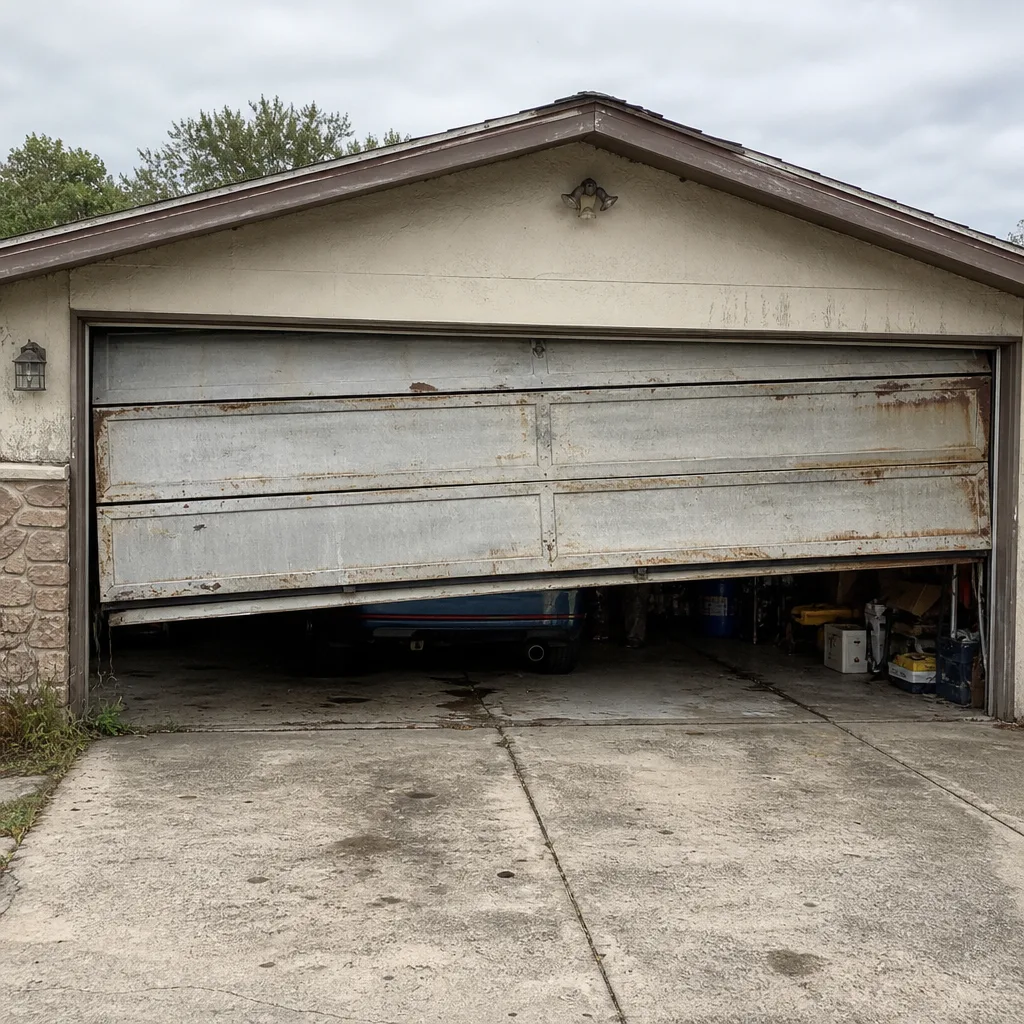 Before
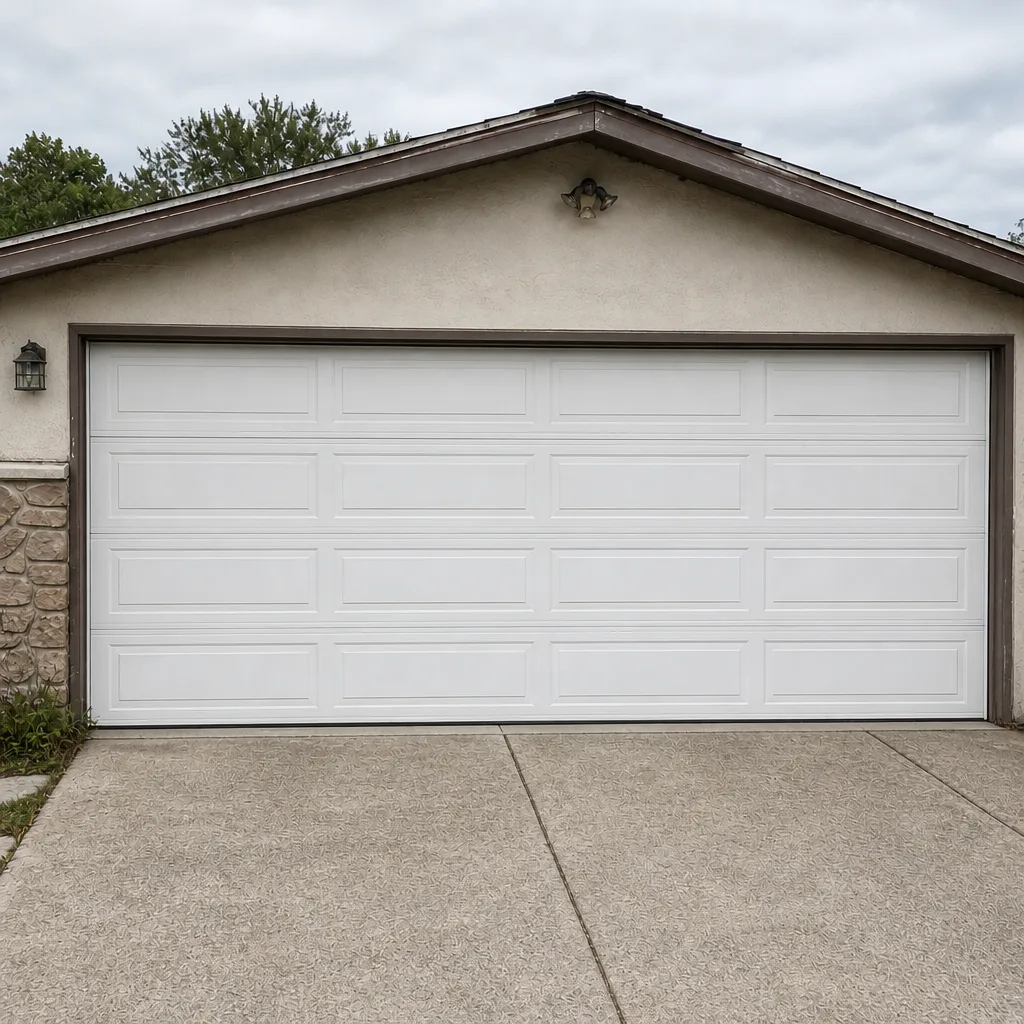 After
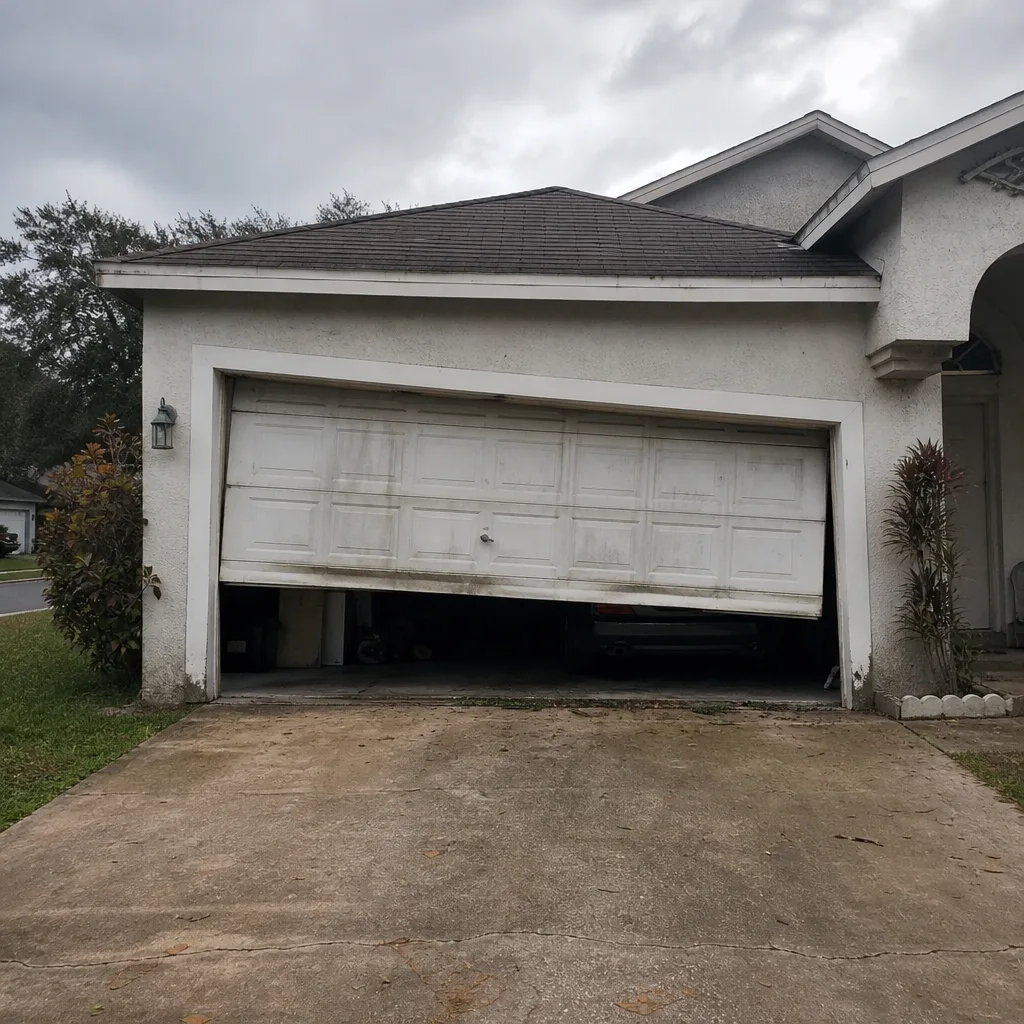 Before
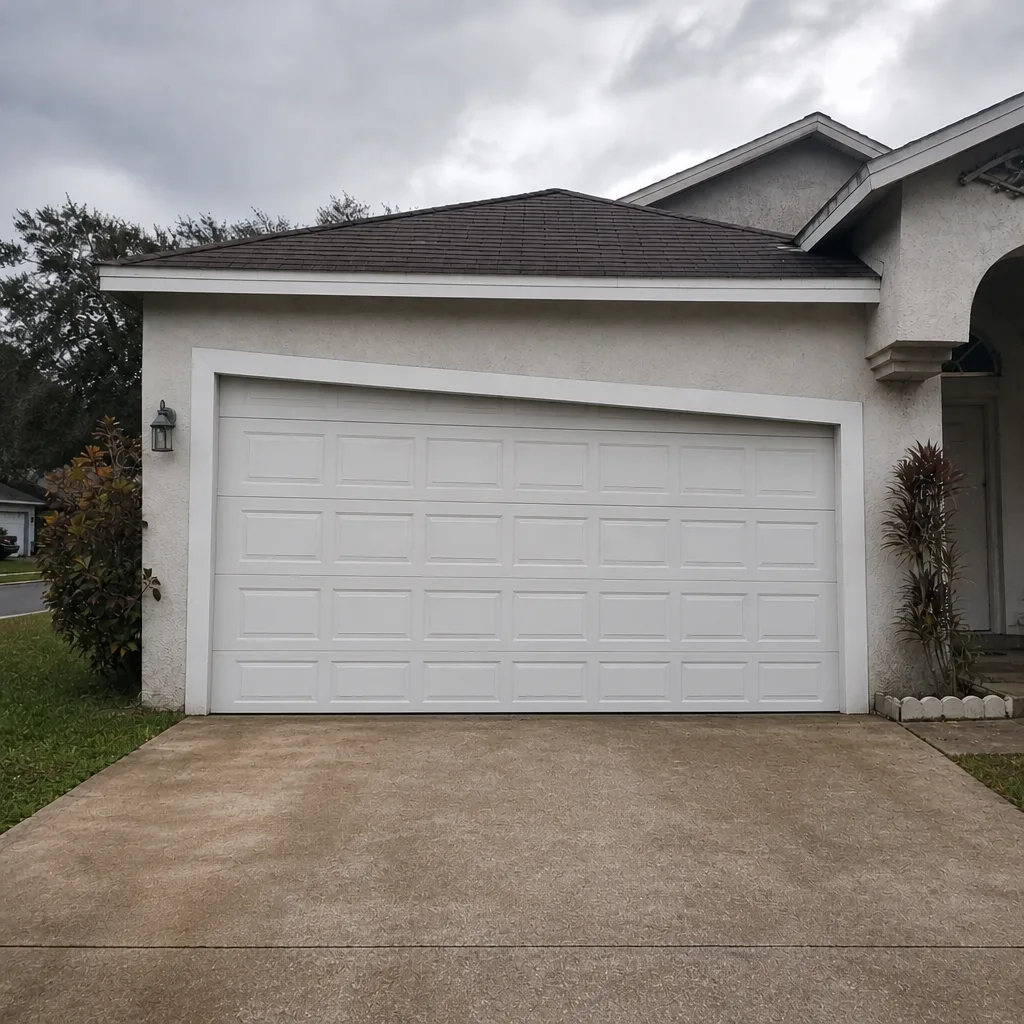 After
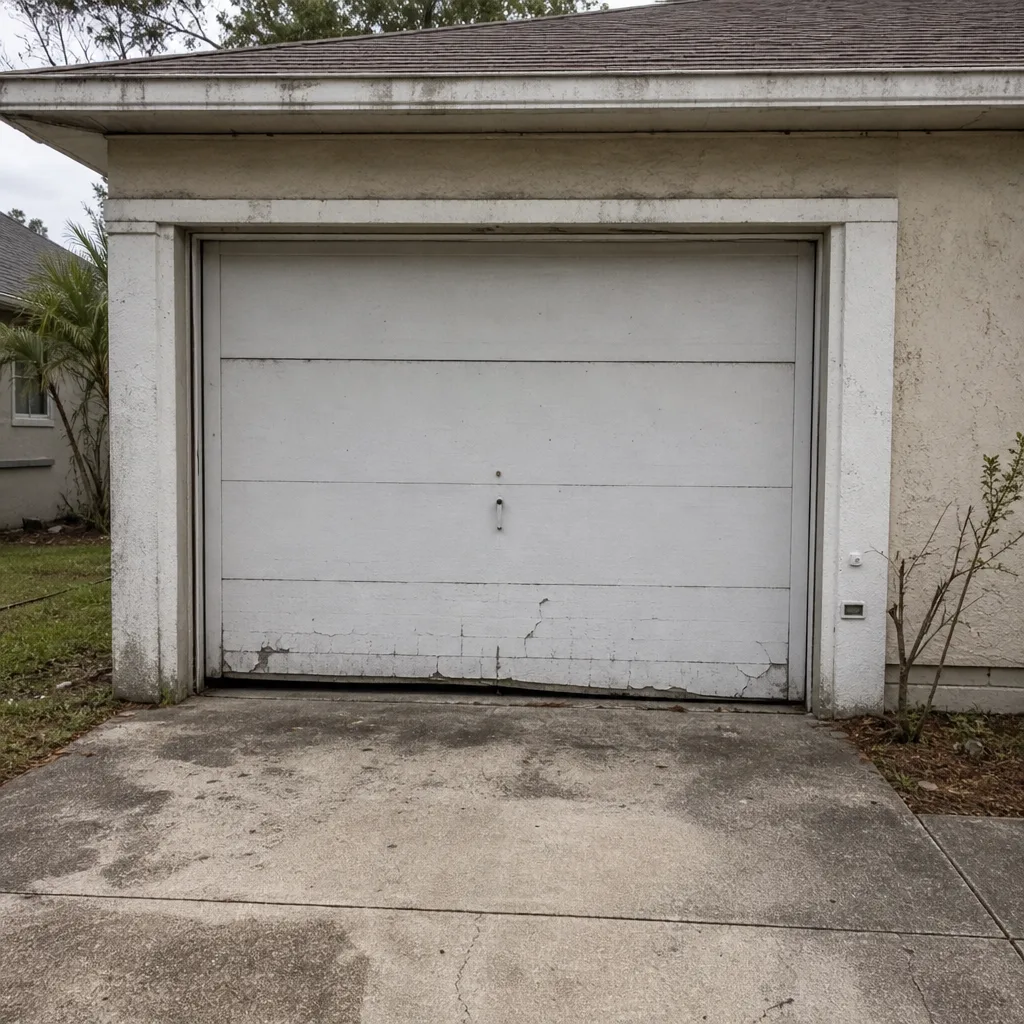 Before
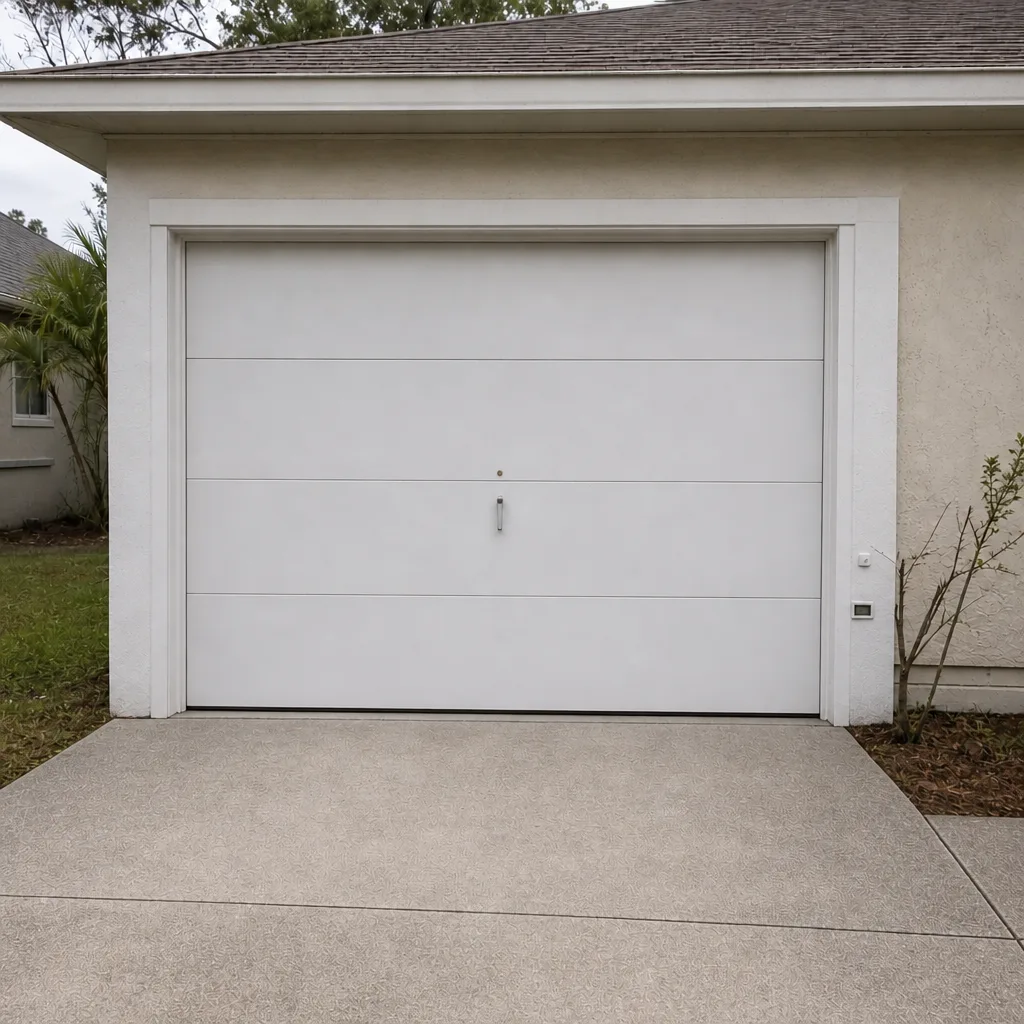 After
When to Call a Professional
Some issues are homeowner-friendly: washing panels, lubricating hinges, testing the safety reverse, and calling your building department about permits. Others need a trained technician. Call a professional if your springs are broken or making noise, if the door is off balance (won’t stay halfway up), if the cables look frayed or slack, if the door has come off the tracks, if the opener runs but the door doesn’t move, or if the opener’s logic board or motor seems to have failed. Any electrical issue at the wall switch or the opener itself should also go to a trained technician. Carrington Garage Door Repair offers free estimates in Spring Hill. Call (844) 560-6506. We answer 24/7. Fast dispatch from 7am to 7pm, Sunday through Friday.
Frequently Asked Questions
Expect 15 to 20 years from a well-maintained steel door and longer from fiberglass or composite with proper care. The humidity and sun exposure here shorten the life of an unmaintained door more than in dry climates, so paint upkeep and prompt scratch repair make a real difference. Call (844) 560-6506 for a free estimate on a repair or replacement.
It depends on the scope. Like-for-like replacement sometimes doesn’t need one, and structural changes or opening-size changes almost always do. Call your city or county building department to confirm what applies to your address before you order. Estimates from us are free, so call (844) 560-6506 if you want to walk through the job first.
LiftMaster, Chamberlain, Craftsman, and Raynor are all common in local homes, and each has strengths. Belt-drive openers from any of these brands tend to hold up well in unconditioned garages. The deciding factor is usually installation quality and whether the door is balanced, not the brand name alone. Call (844) 560-6506 for a diagnosis before you replace anything.
Review the community’s recorded covenants for the exact requirement and consider a door that matches the approved style or palette. Most modern manufacturers (Clopay, Amarr, Wayne Dalton, and others) make models to fit common HOA standards. Get written approval before ordering. Our team can talk through options with you; call (844) 560-6506 for a free estimate.
Repair is usually the right call when the panels are sound and only one system is failing. Replacement starts to make sense when rust is through the metal, springs are failing repeatedly, or the door no longer meets community standards. Call (844) 560-6506 and we’ll write both numbers so you can compare.
We work on the equipment you already own. If your opener is a LiftMaster, Chamberlain, Genie, Craftsman, or Raynor, or drives a door from Clopay, Amarr, or Wayne Dalton, we diagnose and repair what’s there before recommending replacement. Call (844) 560-6506 for a free estimate on Spring Hill opener repair.
The Bottom Line
If you take one thing from this guide, take this: in Spring Hill, the environment drives the door, the opener, and the maintenance decisions more than any brand label does. Pick a material that suits your exposure, get HOA approval in writing before you buy, prioritize repairs when they make sense over replacement when they don’t, and stay on top of a simple annual routine. When something goes wrong, call a specialist who works on the equipment you already own. Our technicians have up to 13 years of experience across all three service lines: repair, opener repair, and new installation. We work on your brand, we diagnose before we recommend, and we quote before any work starts. Call (844) 560-6506 for a free estimate in Spring Hill. We answer 24/7. Fast dispatch from 7am to 7pm, Sunday through Friday.
Written by the team at Carrington Garage Door Repair.